

Real Ear Measurements: the Small Test That Transforms Your Hearing Aids
When people visit Alto for the first time, they often say the same thing:
“My neighbour has hearing aids and still struggles, so how do I know mine will be any better?”
Real Ear Measurements are one of the unsung heroes of a good fitting.
They take a few minutes, they look simple, and they are one of the reasons your hearing aids can feel genuinely tailored to you, rather than “about right”.
In this article we explain:
What are Real Ear Measurements?
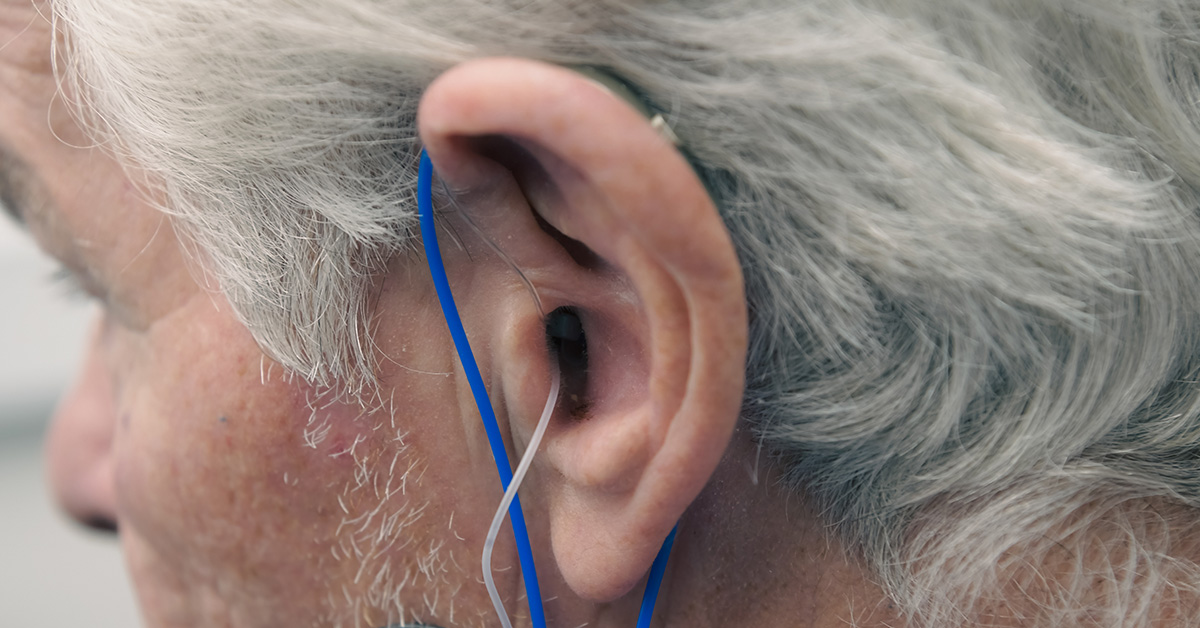
Real Ear Measurements are a way of testing how sound behaves in your ear while you are wearing your hearing aids.
From the outside, two people can look very similar. Inside the ear, they are not.
Ear canals vary in length, shape and volume. Those differences change how sound arrives at your eardrum.
A computer fitting based only on your hearing test and the hearing aid’s prescription will never see that.
These measurements complete the picture.
How it works, in plain English
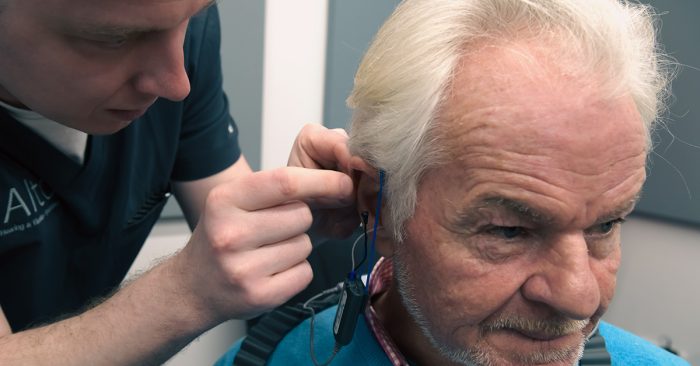
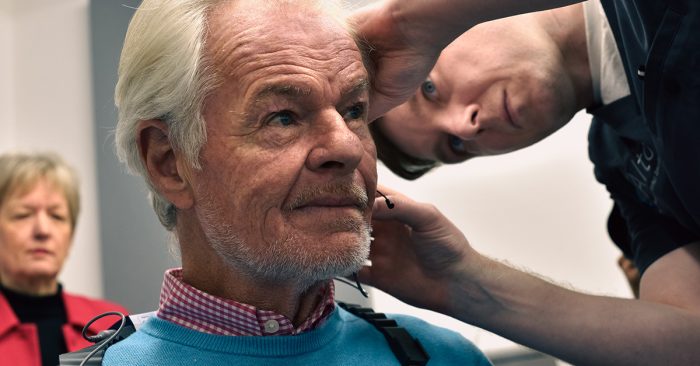
- A very thin, soft tube is placed in your ear canal, next to where the hearing aid sits
- That tube is connected to a tiny microphone
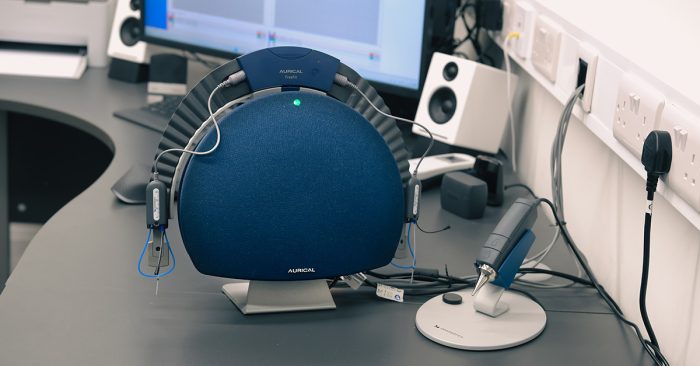
- The audiologist plays speech‑like sounds through a loudspeaker
- The microphone measures how loud those sounds are right at your eardrum
- Your hearing aids are then adjusted until the sound at your eardrum matches what the prescription says you need
Instead of guessing how your hearing aids are performing, we measure it.
Why Real Ear Measurements matter
If you have worn hearing aids before, you may have experienced any of these:
- Speech sounds “muffled” or “thin”
- Voices are clear in the clinic but tiring in real life
- Sounds feel harsh or sharp after a while
- You keep going back for small adjustments that never quite settle
REMs reduce that trial‑and‑error.
The benefits for you
By matching amplification to your needs at the eardrum, consonants become cleaner. That is what helps you distinguish “cat” from “cap” in real conversation.
We can balance soft, average and louder sounds so they sit in a comfortable window. You hear more, without feeling pushed.
When the settings are right, your brain is not straining to fill in gaps. People often describe this as feeling less drained after a busy day.
Without real ear measurements, it is easy to under‑amplify some pitches and over‑amplify others. Real ear measurements keep everything in check.
Once we have a good real ear measurement record, it becomes the reference point for future checks, upgrades and fine‑tuning.
Not every clinic uses these measurements routinely. At Alto, they are built into how we work.
When we use Real Ear Measurements at Alto
At Alto, these measurements are carried out:
- At your initial fitting, or
- At your first follow up appointment, depending on the case
Why sometimes at the fitting
Many people benefit from having real ear measurements done there and then. You leave knowing your new hearing aids have been verified against your prescription on the day.
Why sometimes at the first follow up
For some clients, it makes sense to separate “getting used to the aids” from “precision fine‑tuning”.
For example:
- If you are new to hearing aids and very sensitive to sound at first
- If we are introducing amplification gradually
- If there are medical or practical reasons to keep the initial visit shorter
In those cases, we may start with a conservative, comfortable setting at the fitting, then run full real ear measurements at the first follow up once you feel more settled.
Either way, these measurements are not an optional extra. They are part of the care plan.
What happens during a Real Ear Measurement appointment?
Many people are surprised by how simple and comfortable the test feels.
Step 1: A quick look in your ears
We start with otoscopy, a careful check of your ear canals and eardrums. We confirm there is no wax blockage or irritation that would affect the measurement.
Step 2: Placing the probe tube
A thin, flexible tube is gently placed into your ear canal. It sits alongside where your hearing aid will be.
You will feel a light sensation, similar to a cotton bud placed very shallowly, but it should not be painful.
Step 3: Measuring your ear without the hearing aid
We may run a short measurement without the hearing aid in place. This tells us how your ear canal naturally shapes sound.
Step 4: Measuring with the hearing aid in
Your hearing aid (or mould / dome) is then placed in your ear with the tube still in position.
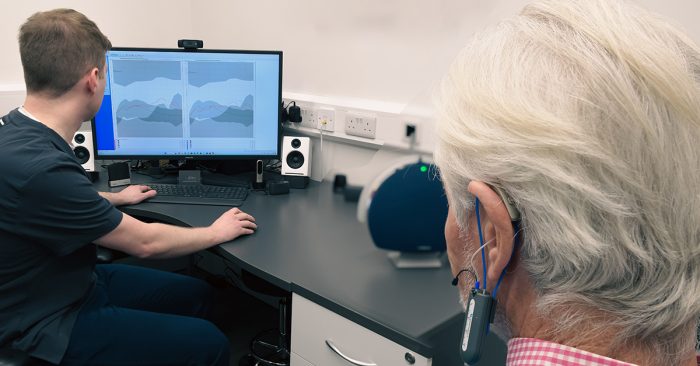
We play speech‑like or test sounds from a loudspeaker in front of you. The computer measures exactly what reaches your eardrum and shows it on screen in real time.
Step 5: Fine‑tuning
Your audiologist adjusts the hearing aid settings while watching the curves on screen. The aim is to “fit” the output of your hearing aid to a scientifically validated target that matches your hearing loss and listening goals.
We check this for soft, average and louder speech and for both ears.
The whole process usually takes only a few minutes per ear.
Common questions about Real Ear Measurements
Do Real Ear Measurements hurt?
No. You may feel the tube being placed in the ear, but it should not be painful. If anything is uncomfortable, your audiologist will stop and reposition the tube.
How long do Real Ear Measurements take?
Typically between 10 and 20 minutes in total, including preparation and adjustments. It is a small part of the appointment that has a big impact on the result.
Are Real Ear Measurements really necessary?
If you are investing in premium hearing care, real ear measurements are one of the key quality checks.
Without them, your audiologist is relying only on how you describe what you hear, rather than also seeing precise data at the eardrum.
Will I need Real Ear Measurements every time I visit?
You will not need them at every single visit.
We carry them out:
When you are fitted with new hearing aids
When there is a meaningful change in your hearing test
When we change the way your hearing aid sits in your ear, for example a different mould or dome
When we are troubleshooting a persistent issue such as distortion or lack of clarity
For routine check‑ups, other tests may be more appropriate. Your audiologist will advise.
Are real ear measurements only for new hearing aid users?
No. In fact, many experienced users who have “put up with” less than ideal hearing for years notice a marked improvement once their aids are re‑fitted with real ear measurements.
Who benefits most from these measurements?
In truth, everyone benefits. Some groups notice the difference particularly strongly:
- First‑time hearing aid wearers
- Getting it right from day one builds trust and confidence.
- People who tried hearing aids elsewhere and were disappointed
- Real ear measurements can be the missing step that explains why previous fittings never felt quite right.
- Those with more complex hearing loss
- If your hearing loss is steeply sloping or affects certain pitches more than others, accurate verification is especially important.
- Clients who are highly sensitive to sound
- Real ear data helps us make fine adjustments so that sounds are present but controlled.
How real ear measurements fit into Alto’s long‑term care
Alto is built around long‑term treatment plans. Real ear measurements are one part of that, alongside:
- Detailed diagnostic testing
- Careful hearing aid selection
- Ongoing rehabilitation and support
- Regular reviews as your hearing and lifestyle evolve
Each time we run real ear measurements, we add to your record. Over time, this creates a clear picture of how your ears and your hearing aids are working together.
That history helps us make better decisions when:
- Upgrading technology
- Adjusting settings for new environments
- Coordinating with ENT or other specialists where needed
What to do if you are curious about real ear measurements
If you already wear hearing aids and are unsure whether they have ever been verified with real ear measurements, you can simply ask at your next appointment.
At Alto, we will:
- Review your current hearing aids and settings
- Explain whether real ear measurements would add value in your case
- Build them into your fitting or follow up schedule if appropriate
If you are considering hearing aids for the first time, you are welcome to speak with us about how we use real ear measurements as standard in our fittings.
The Latest
Why Background Noise Makes Hearing So Much HarderHearing Loss and Hearing Aids: How to Choose the Right HelpThe Hearing Event: Education Before DecisionDamped ear hook: why there’s a mesh inside your hearing aidDiabetes and hearing loss: the overlooked link, early signs and when to get tested