

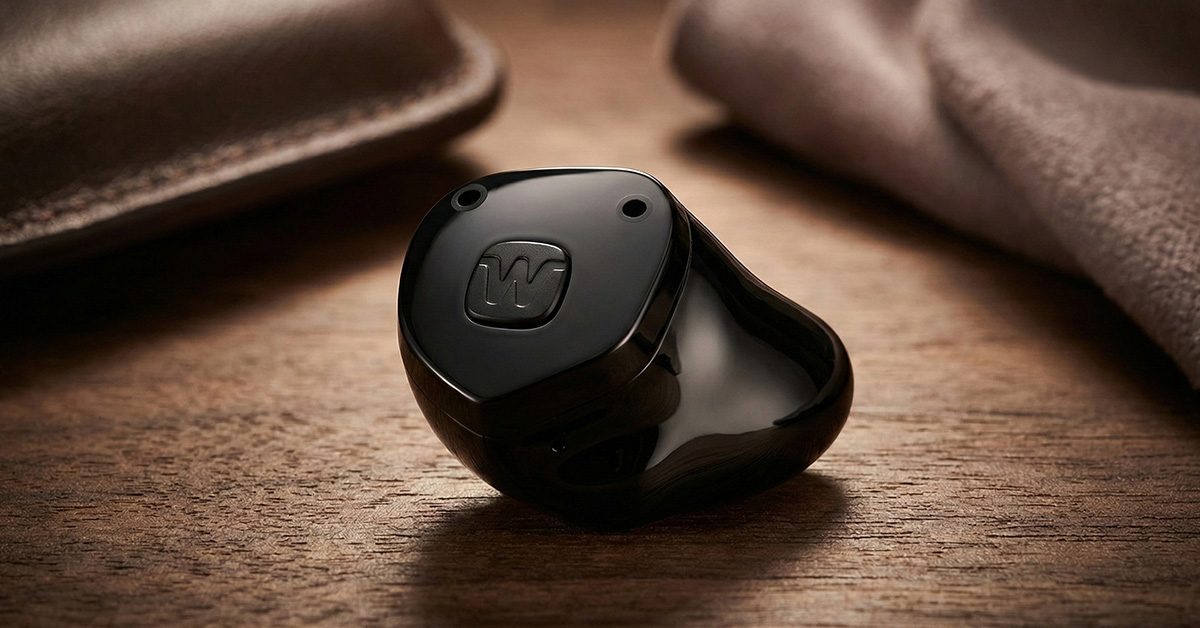
Custom in-the-ear hearing aids used to be the private “default”. If you asked for discreet, you were shown a custom option. Simple.
Then receiver-in-canal models took over. They sounded more open and natural. They were easier to service. The latest tech appeared in these models first. Custom in-the-ear hearing aids didn’t become a bad option, they just stopped being the obvious first one.
Lately, we’re having the custom conversation again more often. Not with everyone. With the right people. And for sensible reasons.
Table of Contents
What custom in-the-ear hearing aids actually are
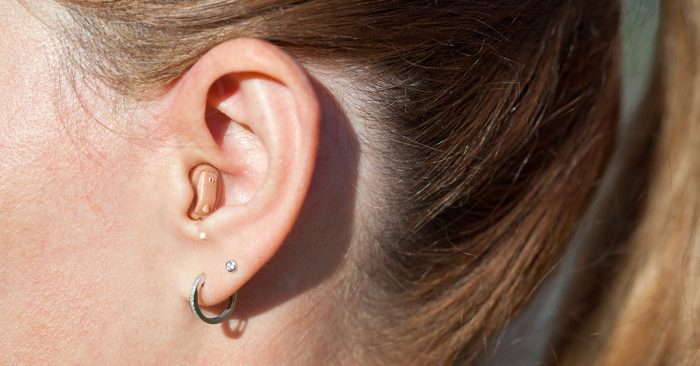
Custom in-the-ear hearing aids are built from an impression or scan of your ears. The shell is made to your shape and the technology sits inside it.
There’s nothing behind the ear. No wire. No receiver dangling in the canal. Just a single, contained device sitting in the ear.
That “one piece” feeling is the reason people ask about them.
Why people loved them in the first place
The appeal was never complicated.
They look tidy
They stay out of the way of glasses and masks.
Some people simply don’t like anything behind the ear.
And in the earlier private market, custom in-the-ear hearing aids were a clear visual step away from what many people thought hearing aids looked like.
Why receiver-in-canals (RICs) took over
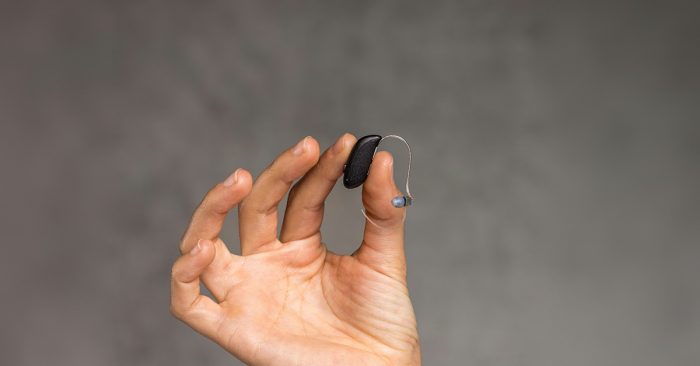
RICs solved everyday annoyances.
They tend to feel more open. They’re modular, so if a receiver needs changing, it’s usually quick. If your hearing changes, you’ve got options. They also became the first place manufacturers put their newest platform, their best noise handling, their strongest wireless features, their rechargeability.
If you’re a clinic trying to get the best outcome for the widest range of people, RICs became the sensible starting point.
Where customs still win
This is what we see in practice.
Some clients don’t want behind-the-ear. They might say it’s comfort. Sometimes it’s cosmetics. Often it’s just preference, and that’s allowed.
Custom in-the-ear hearing aids can also feel very “settled” once fitted well. You put them in, they sit there, and you stop thinking about them. That is a big deal for certain wearers.
And there are lifestyle bits that come up again and again:
- Glasses wearers who hate the behind-the-ear stacking
- People who get irritation behind the ear
- People who wear helmets, hats, or have sensitive skin
- People who want a contained device they can place without fiddling
When the fit is right, it’s a very clean solution.
What held customs back
Custom in-the-ear hearing aids have always had trade-offs. The issue wasn’t that they had any downsides. It’s that RICs made those downsides feel less worth it for most people.
The main ones:
Occlusion (the ‘blocked’ feeling)
Some ears tolerate a fuller fit. Some don’t. When someone says, “My voice sounds like it’s in my head,” that’s what they mean. Venting helps, but it’s not magic.
Repairs and servicing
With some faults, the whole device has to go away. With a RIC, there’s often more we can do quickly in clinic.
Less flexibility for big future changes
RICs can often be adapted with different receivers. With customs, there’s a narrower window. If you move well outside it, you’re generally looking at a new device.
Wax and moisture
Putting tech in the canal puts it where wax and moisture live. Maintenance matters. Some people are brilliant with that. Some aren’t.
What’s improved recently
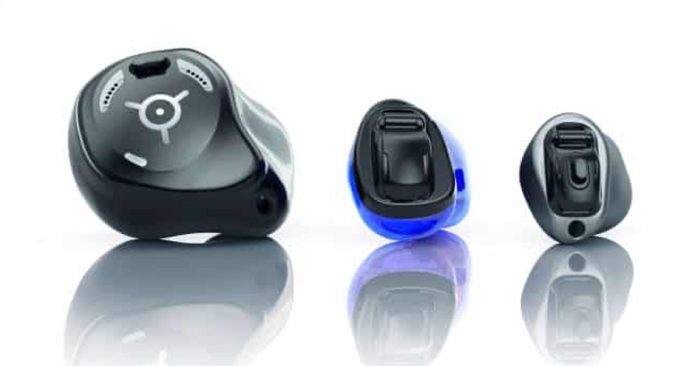
This is the reason the category feels interesting again.
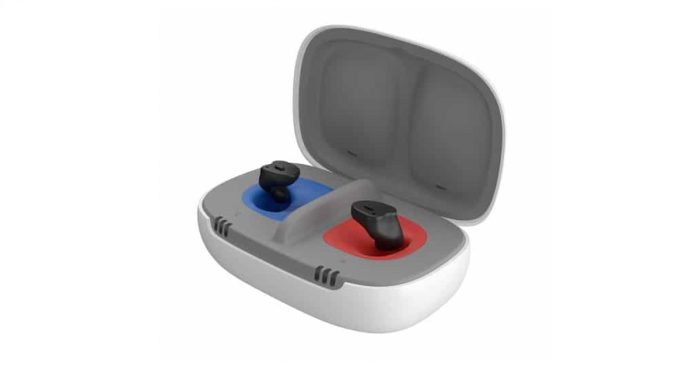
Custom in-the-ear hearing aids used to lag behind on the things people now expect as standard: connectivity, modern platform features, rechargeable options that don’t look clumsy.
That gap has closed.
- Custom models tend to arrive sooner on the newest platforms than they used to
- Bluetooth and app control are more realistic day-to-day
- Rechargeable customs are no longer a weird compromise in shape and handling
So if someone wants the custom form factor, we’re no longer forced to say “yes, but you’ll lose half the modern stuff.”
That’s the shift.
Who custom in-the-ear hearing aids suit now
Custom in-the-ear hearing aids are usually a strong choice when:
- You genuinely dislike behind-the-ear devices
- Your ear anatomy supports a stable, comfortable shell
- Your hearing loss sits in a range where customs can perform properly
- You’re happy to keep on top of basic care and cleaning
- You want an all-in-one device that feels contained and intentional
Where they’re often the wrong tool:
- You want maximum flexibility for future hearing changes
- You’re very sensitive to that “blocked” sensation
- You want the easiest possible servicing experience
- Your ear canal shape makes the fit awkward or unstable
A good assessment and a frank conversation sorts this quickly. For most people, it comes down to fit, comfort and practicality.
Custom in-the-ear hearing aids worth looking at now
The custom in-the-ear hearing aids we’re actually paying attention to at the moment include:
- Widex Allure ITE
Widex now offers its Allure platform in a true custom in-the-ear format. In the past, choosing a Widex custom often meant stepping back a generation. Allure brings Widex’s current sound processing and connectivity into a bespoke shell, which makes it a far more realistic option again. - Signia Insio Charge&Go (IX)
Signia’s Insio Charge&Go customs sit on the current IX platform and offer reliable rechargeability in very small in-the-ear designs. Earlier rechargeable customs could feel bulky or compromised. These don’t. - Phonak custom rechargeable models
Phonak’s newer rechargeable custom options sit much closer to the brand’s main platforms than older Virto generations did, particularly in terms of sound handling and connectivity. They no longer feel like a separate, secondary category. - Starkey Omega custom in-the-ear
Starkey’s Omega platform is now available in custom in-the-ear formats, bringing the brand’s latest processing into a bespoke shell rather than reserving it for behind-the-ear devices.
The common thread is simple. Choosing a custom in-the-ear hearing aid no longer automatically means choosing older technology. That used to be the trade-off. It isn’t anymore.
Frequently Asked Questions
Are custom in-the-ear hearing aids more discreet than RICs?
Sometimes. It depends on your ear shape and the power you need. In plenty of cases, a small RIC is just as discreet.
Do custom in-the-ear hearing aids cost more?
Not automatically. Price usually follows technology level, not the shape.
Can custom in-the-ear hearing aids be rechargeable?
Yes. Rechargeable custom options are now mainstream.
Do custom in-the-ear hearing aids work with phones and TV?
Many do. Features vary by manufacturer and model, so it’s worth checking what “connectivity” means for the specific option you’re considering.
Are custom in-the-ear hearing aids good for first-time wearers?
They can be. The big variables are comfort (occlusion) and whether the fit is right for your anatomy.
The Latest
Why Background Noise Makes Hearing So Much HarderHearing Loss and Hearing Aids: How to Choose the Right HelpThe Hearing Event: Education Before DecisionDamped ear hook: why there’s a mesh inside your hearing aidDiabetes and hearing loss: the overlooked link, early signs and when to get tested