

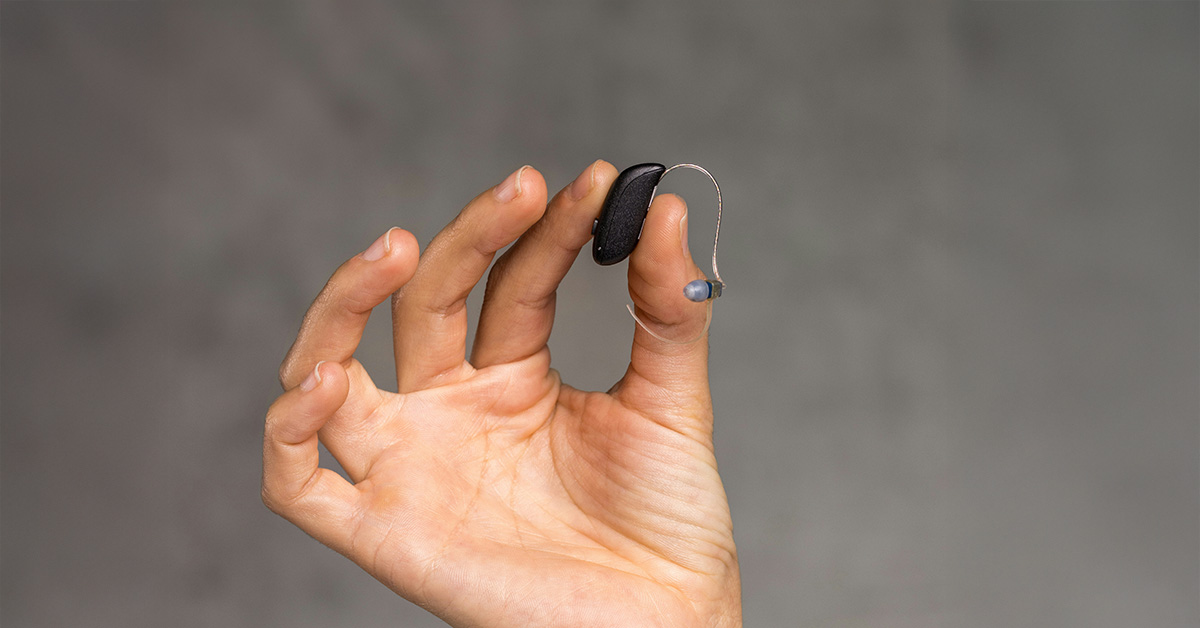
The hearing aid adjustment period catches many people off guard. Hearing aids are not like glasses. You don’t put them on and suddenly hear the world brilliantly again. Instead, hearing aids give your brain information back to work with, and this takes time. In this article, I’ll explain why you need to give yourself a minimum 45-day hearing aid adjustment period, and what’s actually happening in your brain during this time.
Table of Contents
Why Hearing Aids Sound Strange at First
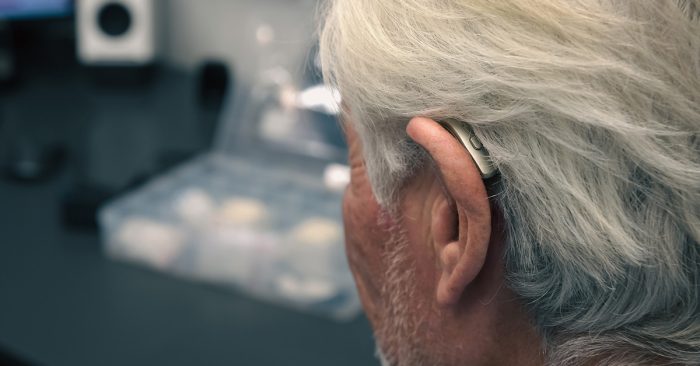
Initially, hearing aids can sound tinny, echoey, and sharp. You might hear your own voice differently too. This isn’t a fault with the devices. It’s because hearing loss itself happens gradually, normally over decades. You don’t go from hearing well one day to having a hearing loss the next. It’s a slow decline. But then you put hearing aids in and it’s all back at once.
Your brain makes you overly aware of sounds that you’re not used to. It’s almost like an in-built alert system hard-wired into us. Your brain is essentially saying: this does not feel normal, so I’m going to make you really aware of it.
I remember once moving into accommodation near a railway line. The first week I was thinking, “I’ve got to move.” After a couple of months, people would come round, and the whole room would shake as a high-speed train passed by. They would ask how on earth I lived with that. By that time I was completely used to it. My brain had normalised the sound, and I didn’t notice it at all.
The Science Behind Brain Adaptation
Neural changes begin as early as 2 weeks following the initial fitting of hearing aids. This process, called neuroplasticity, is your brain’s ability to reorganise and form new neural connections.
When you’ve been living with untreated hearing loss, your brain has adapted to a world dominated by bass sounds. The introduction of hearing aids suddenly reintroduces those higher frequencies you’ve been missing. Your auditory cortex, which may have been recruited by other senses during your hearing loss, needs to relearn its original function.
Even in the early stages of hearing loss, the brain adapts and reorganises. These changes may occur as soon as 3 months after the onset of hearing loss and may be reversible by well-fitted hearing aids.
What Audiologists Do to Help
So when you first have hearing aids, despite the manufacturer marketing claims of “natural sound,” I’m sorry to announce that this is nonsense if you are a first-time user. It will not sound normal until you allow your brain to habituate to them.
There are certain things we as audiologists do to help with this. Often it’s a mix of managing expectations with the correct programming to ensure hearing aids are set for comfort initially, before increasing the benefit as you get used to them. You’ll start with the hearing aids at a much lower volume to allow you to wear them comfortably, and then that volume is gradually lifted.
Modern hearing aids from manufacturers like GN Resound and Widex have auto-acclimatisation features that gradually increase volume over time. For example, they start you at 80% gain and increases toward your full prescription every 10 hours of use.
This approach does cause some issues though. When people get hearing aids, they (and their family members) often have really high expectations of being able to hear perfectly again instantly. Unfortunately, when you set hearing aids for comfort on first fit, the benefit takes time to achieve.
The 45-Day Habituation Timeline
Habituation, the process of normalising new sound, takes around 45-60 days for most people. Sometimes it can be a lot less, sometimes a lot more. The learning curve can take anywhere from six weeks to six months, and success comes from practice and commitment.
Increases in the brain’s N1 amplitudes (early sound detection) were observed as early as 2 weeks following hearing aid fitting, whereas changes in P2 amplitudes (deeper sound processing) were not observed until 12 weeks of hearing aid use. This explains why initial comfort comes relatively quickly, but fuller, more natural hearing takes longer.
No hearing aid is going to sound perfect straight away. You have to give it time. Once you’ve given yourself that time, the difference they make is absolutely incredible. But I encourage everyone to be patient, wear them as much as you can, and before you know it you will be reaping the benefits of better hearing.
Tips for a Successful Adjustment Period
Wearing your hearing aids for at least eight to 10 hours a day during the initial period speeds up the adjustment process. Here are some practical ways to help your brain adapt more quickly:
- Start in quiet environments and gradually introduce more complex listening situations.
- Have conversations with friends and family members to practice recognising different sounds.
- Using captions or subtitles while watching TV can help with comprehension, as visual cues help your brain process the sound it receives.
Don’t try to muscle through negative side effects in the hearing aid adjustment period. If something isn’t right, speak with your audiologist. We can often make adjustments that solve the problem entirely. That’s what we’re here for.
30 Days to Better Hearing
We know the hearing aid adjustment period can feel overwhelming, which is why we created “30 Days to Better Hearing”, a free course designed to guide you through your first month with new hearing aids.
Led by myself, Adam Bostock, this course delivers daily bite-sized videos packed with practical tips, essential information, and supportive guidance throughout the hearing aid adjustment period. Each day covers something different: from understanding how your hearing aids work and managing expectations, to care tips and navigating tricky social situations. You don’t have to figure this out alone. Join hundreds of others who’ve used this course to build confidence, stay consistent, and get the most from their hearing aids during those crucial first weeks.
The Bottom Line
The adjustment period isn’t a sign that something is wrong with your hearing aids. It’s a sign that your brain is doing exactly what it should do: learning to process sound again. Give it time, wear your aids consistently, and trust the process.
Frequently Asked Questions
How long does it take to get used to hearing aids?
Most people need 45-60 days to fully adjust to hearing aids, though this varies from person to person. The learning curve can take anywhere from six weeks to six months. The key factors are how long you’ve had hearing loss, the severity of your hearing loss, and how consistently you wear your devices. The more you wear them, the faster your brain adapts.
Why do hearing aids sound tinny or echoey at first?
Hearing aids sound tinny because your brain has adapted to a world dominated by bass sounds, and hearing aids suddenly reintroduce the higher frequencies you’ve been missing. Your brain isn’t used to these sounds anymore, so it makes you hyper-aware of them. This settles down as your brain habituates to the new input.
Why does my own voice sound strange with hearing aids?
Hearing your own voice differently is one of the most common experiences for new hearing aid users. This happens because you’re now hearing the full frequency range of your voice again, including higher pitches you may have been missing for years. Most people find this normalises within the first few weeks of consistent wear.
Should I wear my hearing aids all day from the start?
Wearing your hearing aids for at least eight to 10 hours a day during the initial period speeds up the adjustment process. However, if you’re finding this overwhelming, it’s fine to build up gradually. Start with a few hours in quiet environments and increase your wearing time each day. The important thing is consistency.
What if my hearing aids still don’t sound right after 45 days?
If you’re still struggling after the initial hearing aid adjustment period, contact your audiologist. Your hearing aids may need reprogramming, or there might be a fit issue that’s affecting sound quality. Consulting your audiologist for adjustments is crucial, as they can fine-tune settings to suit your specific needs. Don’t give up, most issues can be resolved with proper adjustments.
Can I speed up the hearing aid adjustment period?
Yes. Wear your hearing aids consistently, start in quiet environments and gradually introduce noisier situations, and practice active listening by having conversations with family and friends. Reading subtitles while watching TV helps retrain your brain and improve speech comprehension. Some audiologists also recommend reading aloud to yourself to help your brain adjust to your own voice more quickly.
Why don’t hearing aids work like glasses?
Glasses correct a mechanical issue; they bend light to focus it properly on your retina. The correction is instant because your brain is still processing visual information normally. Hearing aids, however, are sending sound information to a brain that has adapted to receiving less input. Your auditory cortex needs time to relearn how to process these sounds, which is why the adjustment takes weeks rather than seconds.
Is it normal to feel tired when first wearing hearing aids?
Yes, listening fatigue is completely normal during the hearing aid adjustment period. Your brain is working harder than usual to process all the new sounds it’s receiving. This typically improves as your brain adapts. If fatigue persists beyond the first few weeks, speak with your audiologist as your settings may need adjusting.
The Latest
Why Background Noise Makes Hearing So Much HarderHearing Loss and Hearing Aids: How to Choose the Right HelpThe Hearing Event: Education Before DecisionDamped ear hook: why there’s a mesh inside your hearing aidDiabetes and hearing loss: the overlooked link, early signs and when to get tested