

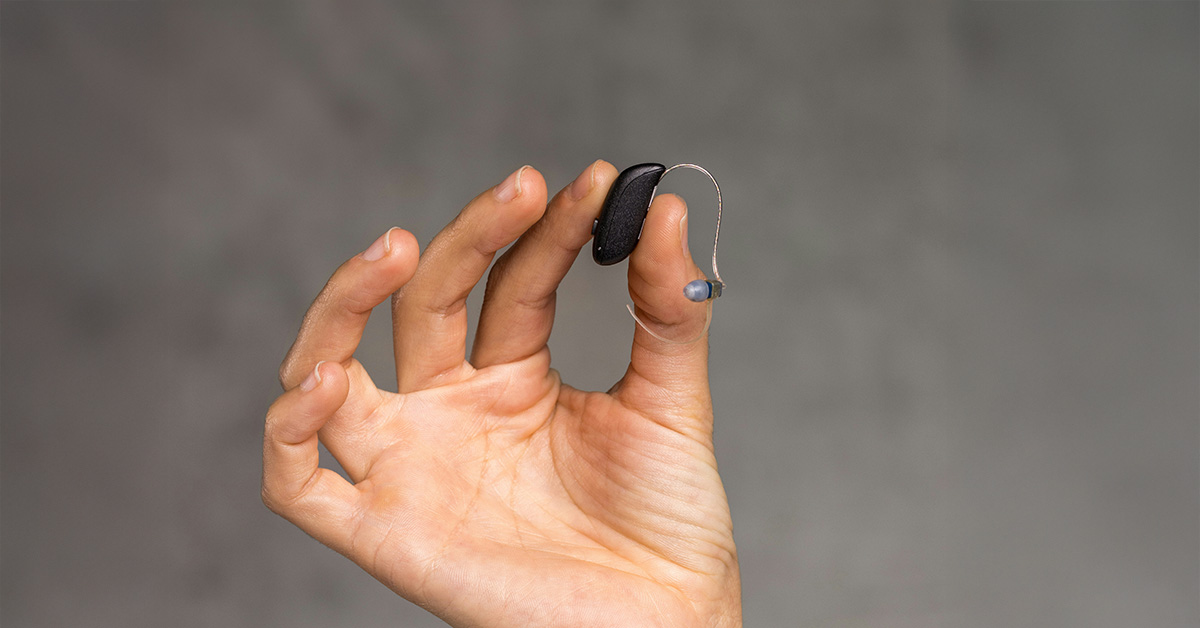
New hearing aids often sound odd at first. Not necessarily bad, but louder, sharper and busier than expected.
That does not usually mean the hearing aids are wrong. It means your brain is receiving sound information it may have been missing for years. The devices can be fitted in one appointment, but your listening system needs time to settle.
For most first-time wearers, the hearing aid adjustment period is around 45 to 60 days. Some people adapt faster. Some need longer. The important point is not to judge the final result in week one, but also not to put up with pain, whistling, harshness or poor fitting. Good follow-up should be part of the process.
Clinically reviewed by Adam Bostock, Audiologist. Last reviewed 13 May 2026.
Table of Contents
Why new hearing aids sound strange
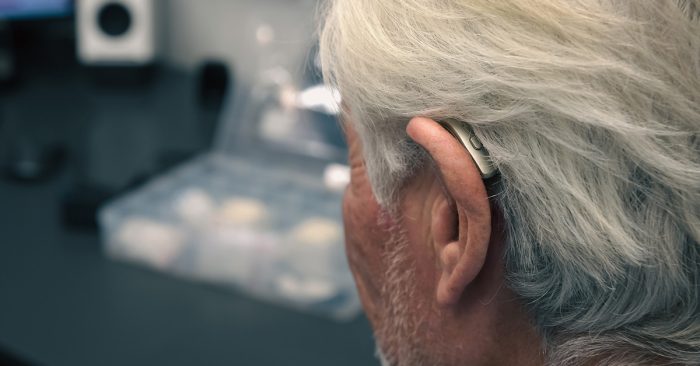
Hearing loss usually develops gradually. You do not wake up one morning with every missing sound clearly labelled. High-frequency detail fades. Speech becomes less crisp. Background noise becomes harder work. The brain adapts without asking permission.
Then hearing aids bring some of that detail back quickly. Suddenly you hear footsteps, cutlery, clothing, paper, taps, traffic, keys, your own voice and other people’s consonants with more emphasis than before.
That can feel unnatural at first. People often describe new hearing aids as tinny, sharp, echoey, loud or busy. Your own voice may sound different too. These are common early experiences, especially if the hearing loss has been untreated for a long time.
If you want a broader expectation-setting article, read our guide to what to expect when wearing hearing aids.
The point to remember
Do not judge the final sound in the first few days. But do tell your audiologist if the sound is painful, piercing, constantly whistling, physically uncomfortable or not helping at all.
What your brain is adjusting to
Hearing happens in the brain, not just in the ear. The ears collect sound, but the brain decides what to pay attention to, what to ignore and how to turn sound into meaning.
When hearing has reduced over time, the brain becomes used to receiving less information. Once hearing aids are fitted, the brain has to re-learn which sounds are important and which can sit in the background.
Research into hearing-aid use and cortical responses suggests that the brain can begin changing within the first few weeks of hearing aid use, with some sound-processing changes continuing over a longer period. This fits what we see clinically: comfort may improve fairly quickly, while confident listening in the real world often takes longer.
There is a simple everyday version of this. Move near a railway line and the trains dominate your attention at first. A few weeks later, the same trains are still there, but your brain has stopped treating every one as news. Hearing aids are not exactly the same, but the principle is useful: repeated exposure helps the brain decide what is normal.
What should happen at the fitting
The fitting should not be a quick volume increase and a goodbye. A good first fitting balances audibility, comfort, physical fit and realistic expectations.
At Alto, hearing aid fitting and follow-up usually includes:
- checking the physical fit in the ear
- programming the hearing aids from your hearing test results
- using hearing aid fitting and verification methods, including real-ear measurements where appropriate
- checking your own voice, comfort, loudness and feedback
- explaining what to wear, when to adjust settings and when to ask for help
- reviewing the fitting after real-world use
Some hearing aids can be fitted below full target at first, then gradually increased. Some manufacturers call this acclimatisation or adaptation. That can be helpful, but it needs to be handled carefully. If the first setting is too gentle, the hearing aids may feel comfortable but not useful enough. If it is too aggressive, the person may stop wearing them.
This is where clinical judgement matters. The fitting is not just about what the software suggests. It is about your hearing loss, your listening needs, your sound tolerance and how confidently you can wear the devices every day.
The first 45 days: a practical timeline
The exact adjustment period varies, but this is a realistic pattern for many first-time hearing aid wearers.
| Stage | What may happen | What to do |
|---|---|---|
| Days 1-7 | Everyday sounds can feel loud or sharp. Your own voice may sound odd. Background sound may be more noticeable. | Wear the hearing aids in manageable situations. Do not sit in silence all day, but do not start with the hardest restaurant in town either. |
| Weeks 2-3 | The sound often starts to feel less intrusive. Speech may be clearer in easier situations, although noise can still be tiring. | Increase wearing time and add more real-world listening: family conversation, television, shops, cafes and short social situations. |
| Weeks 4-6 | Your brain has more listening experience. This is when fine-tuning often becomes more useful because you can describe what happens in real places. | Bring specific examples to follow-up: which room, which voice, which noise, what felt too loud, what still was not clear. |
| After 45 days | You should have a clearer sense of benefit, comfort and remaining difficulties. | If the hearing aids are still not right, ask for review. Do not assume you have failed. The fitting may need adjustment. |
Some people adapt in a fortnight. Others take several months, especially if hearing loss has been long-standing, the fitting is more powerful, or listening in noise is the main difficulty. The RNID also advises building up hearing-aid use steadily and giving yourself time to get used to new sounds.
How to make the adjustment period easier
The people who do best are usually not the people who wait for hearing aids to feel perfect before wearing them. They are the people who wear them regularly enough for the brain to get useful practice.
Practical steps that help:
- wear the hearing aids every day, even if you build up gradually
- start with calm places, then add more complicated sound
- talk to familiar voices first, then try groups
- use subtitles at first if they help you connect sound with speech
- make notes for your follow-up appointment rather than trying to remember every problem
- ask a family member what has changed, because they often notice before you do
If you use a receiver-in-canal (RIC) hearing aid, our insertion and removal demonstration shows how to put it in and take it out.
Do not save the hearing aids only for important occasions. That usually backfires. A busy meal, wedding, meeting or theatre trip is much harder if your brain has not had enough ordinary daily practice first.
When to ask your audiologist for changes
There is a difference between normal adjustment and a fitting that needs attention.
Often normal in the first few weeks
- your own voice sounds different
- paper, taps, footsteps or cutlery seem unusually noticeable
- background noise feels busier than expected
- you feel more tired after long listening periods
Worth checking promptly
- the hearing aids hurt or irritate the ear
- sound is painfully sharp or uncomfortably loud
- there is frequent whistling or feedback
- speech is still no clearer after regular use
- one side feels very different from the other
- you are avoiding wearing them because something feels wrong
Do not try to be stoic with a poor fitting. Small changes to the dome, receiver, earmould, venting, prescription, noise settings or own-voice settings can make a large difference.
For an aid that stops working or keeps whistling, our hearing-aid troubleshooting guide explains what you can safely check and when to get help.
Why aftercare matters
This is where many hearing-aid fittings succeed or fail. A hearing aid can be technically excellent and still disappoint if the follow-up is weak.
The first appointment gives the starting point. Follow-up tells us what happened when you wore the devices at home, in the car, in a shop, with family, on the phone and around background noise.
That is why Alto provides hearing aids as part of hearing aid treatment plans. The devices matter, but so does the care around them: assessment, fitting, verification, adjustment, cleaning, repair support and long-term review.
If you are comparing hearing aids, compare the care too
Ask what happens after the fitting. How many reviews are included? Are real-ear measurements used where appropriate? Who helps if the sound is not right? What happens if your needs change?
30 Days to Better Hearing
To support new hearing-aid wearers, Adam Bostock created 30 Days to Better Hearing, a free video series for the first month with hearing aids.
The videos cover practical topics such as managing expectations, daily wear, cleaning, comfort, app use, own voice, social situations and when to ask for adjustment. It is not a replacement for clinical follow-up, but it can help you make better use of the first few weeks.
Frequently asked questions
How long does it take to get used to hearing aids?
Many people need around 45 to 60 days before hearing aids feel more normal, although this varies. Some adjust within a few weeks. Others need several months, especially if the hearing loss has been present for a long time or the fitting is more powerful.
Why do new hearing aids sound tinny or sharp?
New hearing aids often reintroduce higher-frequency sounds that the brain has not been receiving clearly. Sounds such as speech consonants, cutlery, water, paper and footsteps can feel exaggerated at first. This should settle as the brain adapts, but painful sharpness should be reviewed by your audiologist.
Should I wear my hearing aids all day from the start?
Regular wear helps the brain adapt. Some people can wear hearing aids for most of the day straight away. Others need to build up gradually. The aim is consistent daily use, not occasional use only for difficult situations. Remove them before sleeping, showering or bathing, and follow your model’s instructions around water.
Why does my own voice sound strange with hearing aids?
Your own voice can sound different because you are hearing more of its full frequency range, and because the hearing aid or ear piece changes how sound behaves in the ear canal. Many people adapt, but own-voice problems can often be improved with fitting adjustments.
What if my hearing aids still do not sound right after 45 days?
Arrange a review with your audiologist. The hearing aids may need fine-tuning, a different dome or earmould, receiver changes, feedback adjustments or another check of the fitting. Do not assume hearing aids cannot help just because the first settings were not right.
Are hearing aids meant to work like glasses?
No. Glasses often feel immediate because they correct the way light is focused. Hearing aids send sound to a brain that may have adapted to reduced input over years. The ear pieces and programming can be fitted quickly, but listening comfort and confidence usually take practice and follow-up.
Can new hearing aids cause side effects?
New hearing aids can make everyday sounds and your own voice feel unfamiliar. Soreness, rubbing, itching or pressure need a fitting check rather than simply more wearing time. Wax can also affect comfort or block the hearing aid. Your audiologist can check your ears, the dome or earmould, and the device before recommending treatment.
Can I wear hearing aids with glasses?
Yes. Hearing aids worn behind the ear can usually sit alongside glasses. Bring your usual glasses to your fitting so your audiologist can check the space behind the ear and how the devices sit together. If the frame rubs or moves the hearing aid, ask for the fit to be reviewed.