

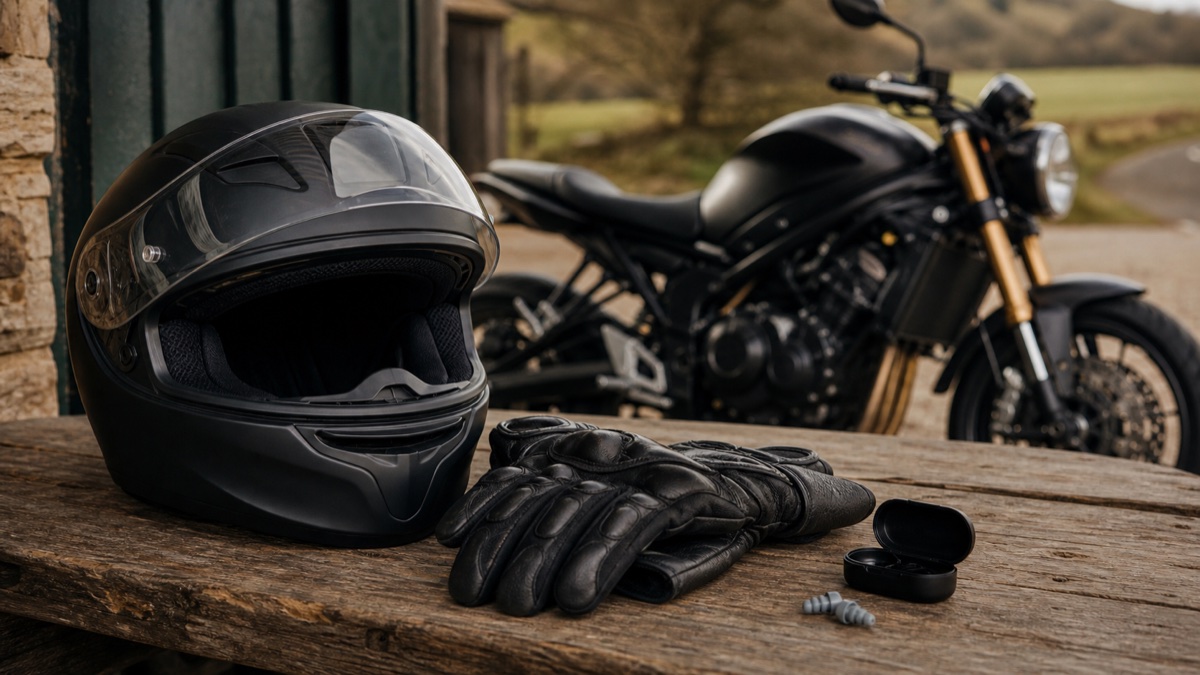
I ride myself, and I’m not interested in telling people to enjoy bikes less. I’m interested in the bit riders often shrug off: ringing ears after a long run, speech sounding dull when the helmet comes off, or the intercom creeping louder than it used to.
The engine, the road, the weather, the stop at a cafe, the ride home when you’re tired and cold: that’s all part of it. I just don’t want riders treating ringing ears as the price of a decent day out.
If your ears ring after a ride, speech sounds dull when you take your helmet off, or family keep saying you’re missing things, don’t dismiss it as “bike life”. Use better protection on the next ride, and get a baseline so you know where you stand.
Carl Morley contributed this article during his time as an audiologist at Alto Hearing.
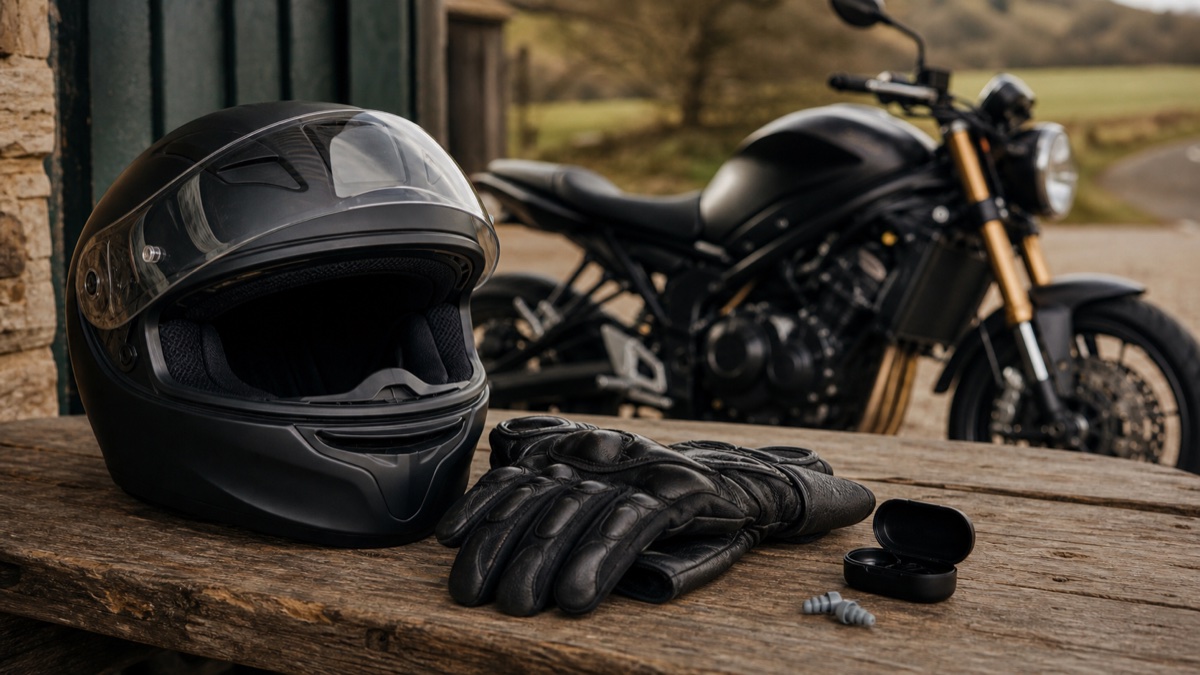
Carl’s rider rule: if your ears are ringing, buzzing or feel muffled after a ride, take it seriously. It doesn’t automatically mean permanent damage. It does mean your ears have had more noise than they liked, especially if it keeps happening.
The noise comes from more than the engine
Riders often ask me whether engine noise or wind noise is worse. On some bikes the exhaust is the obvious culprit. On a longer motorway run, the air around the helmet can be what wears you down. Most riders are getting a mix of both.
Speed, screen height, visor seal, helmet fit, vents and riding position all change what reaches the ear. That’s why one rider can swear a helmet is fine while another finds the same route exhausting.
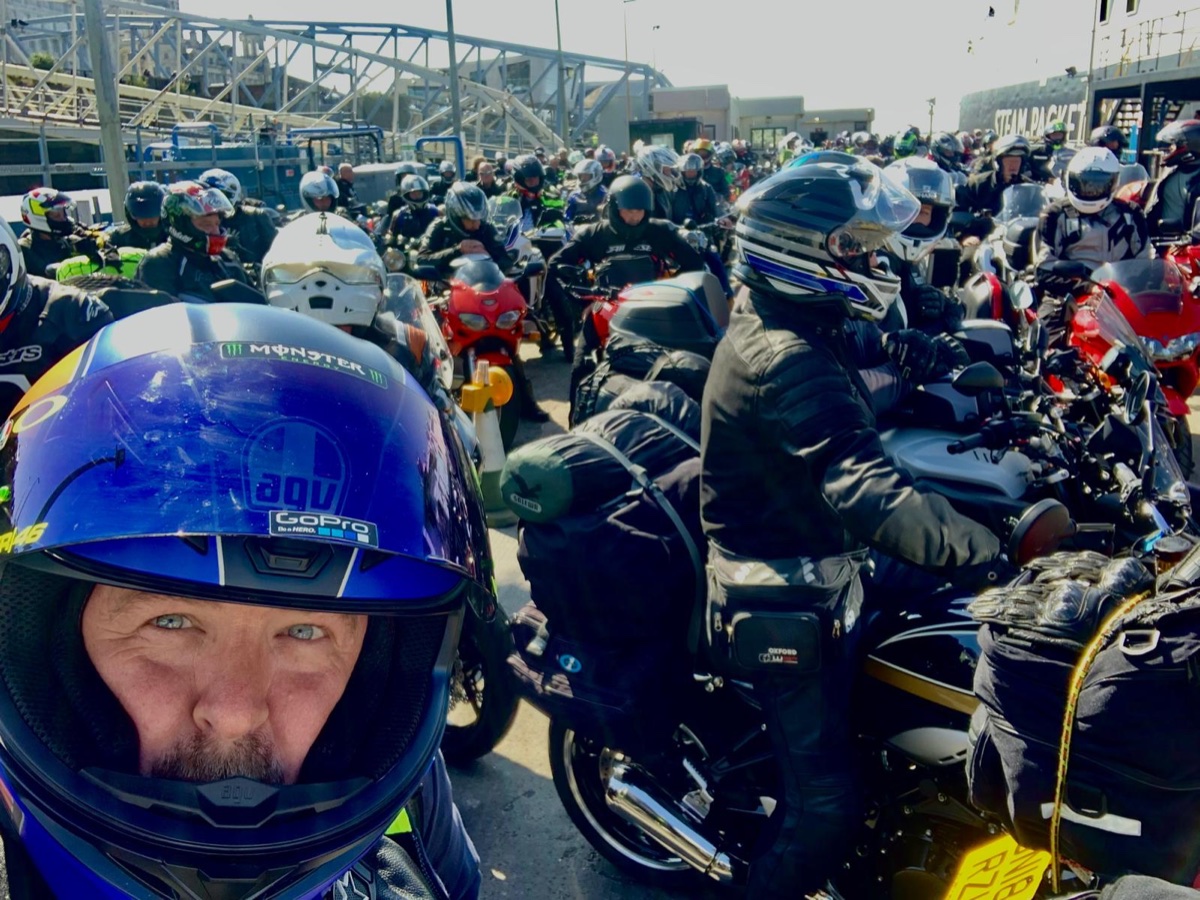
Time matters too. A short ride to the shops, a day of motorway miles, a weekend tour and a ferry queue full of idling bikes aren’t the same exposure.
| Noise source | Why it matters |
|---|---|
| Engine and exhaust | Close to the rider, often higher with revs, acceleration, modified exhausts and group riding. |
| Air around the helmet | Changes with speed, screen height, helmet fit, visor seal, vents, riding position and weather. |
| Traffic and road surface | Steady background noise adds to the ride, especially on longer commutes or touring days. |
| Intercoms, music and navigation | Volume can creep up when you’re trying to hear speech or directions over road noise. |
| Events, ferry queues and cafe meets | Lots of bikes close together can make the noisy part of a ride last longer than expected. |
Your ears don’t care whether the ride was worth it. They take the noise, the time and the repetition together.

A rider-to-rider point
I don’t want riders living by internet decibel charts. I’d rather a regular rider knew their own hearing, the same way they know when tyres, eyesight or brakes need attention.
That’s especially true if you’ve been riding for years, get tinnitus after longer rides, or find conversation harder in pubs, cafes and family meals.
A helmet protects your head. It doesn’t prove your ears are safe
Some helmets manage airflow and sound better than others. Fit changes a lot. So do the visor seal, vents, neck roll, screen height and riding position. That’s why two riders on two different bikes can have completely different experiences at the same speed.
But a helmet’s first job is impact protection. It’s not a filtered earplug. If you’re doing longer rides or higher-speed routes, proper motorcycle earplugs are the obvious place to start.
Foam plugs can work, but many riders prefer filtered plugs because they reduce the harsh level while keeping more awareness of speech, traffic and the bike. Custom ear protection is made to the shape of your ears, which is often easier to use consistently than a plug that never feels right.
Rider protection rule: check the fit with your helmet on, not just at the kitchen table. If foam plugs work loose, feel scratchy, or make you feel too cut off from traffic, try filtered motorcycle plugs or custom moulded protection instead of riding unprotected. If the seal breaks as the helmet goes on, it isn’t the right setup for you.
What riders often notice first
When riders talk to me about hearing, it often starts with clarity rather than volume. You can hear that someone is speaking, but miss the exact words. That’s why people say, “I can hear, but I can’t follow.”
After riding
- Ringing, hissing or buzzing in the ears
- A blocked or muffled feeling after removing your helmet
- Feeling tired from listening after a long ride
- Turning an intercom or navigation prompt higher than before
Away from the bike
- Speech is harder in cafes, pubs or restaurants
- Family say you’re missing parts of conversations
- The television or phone volume has crept up
- You struggle more when several people talk at once
When I hear that pattern, I don’t only think about volume. At Alto, speech-in-noise testing looks at how your hearing copes when speech and background noise compete. If tinnitus is part of it, our tinnitus support starts with the same question: what is your hearing actually doing?

Earplugs protect future rides. A hearing check tells you where you are now
Earplugs and hearing checks answer different questions.
Earplugs reduce the noise you take into the ear on future rides. A hearing check tells you whether there’s already a change, whether wax is involved, and whether your hearing pattern fits the listening problems you’re noticing.
You can start wearing plugs tomorrow and still not know what years of riding, work, music, shooting or tools have already done. A baseline gives you something useful to compare with later.
In clinic, I’d ask what helmet you use, whether you wear plugs, how long your usual rides are, and whether the ringing has gone by the next morning. Those details change how I interpret the hearing results.
SoundCheck or Complete Hearing Assessment?
If you ride regularly and want a first check, SoundCheck can be a good place to start. If you’ve already noticed tinnitus, muffled hearing, speech clarity problems or family concerns, I’d usually point you towards a Complete Hearing Assessment.
| Choose | When it makes sense | Best next step |
|---|---|---|
| SoundCheck | You ride regularly, have no major concern, and want a baseline. | Book SoundCheck online. |
| Complete Hearing Assessment | You have tinnitus, muffled hearing, speech problems, a family member has noticed, or you want the full picture. | Request a call back and we’ll help you choose the right appointment. |
If your ears feel blocked after a ride, wax can be part of it. We’d always want to look in the ears before assuming a permanent hearing change. If wax is the main issue, ear wax removal may be the right appointment first.
A note for touring riders, commuters and group rides
Not every rider has the same risk. A weekend cafe run, daily commute, track day, motorway tour and group trip all load the ears differently.
Touring riders can spend hours in road and helmet noise. Commuters repeat the exposure most days. Group rides add engine and exhaust noise when bikes are bunched up at stops, fuel stations and ferry crossings.
If you use an intercom or music, watch the volume. It’s easy to turn it up so it cuts through the road noise, then forget you’ve added another sound source.
What I would check in clinic
When I see a rider in clinic, I start with the riding itself: how long you’ve been on bikes, what sort of miles you do, whether you wear plugs, whether tinnitus turns up after a ride, and where speech has started to feel harder away from the bike.
Then I look in the ears. Wax, irritation or an ear health issue can change hearing, so I don’t draw conclusions from the test alone. Once the ears are clear enough to assess, we measure hearing levels, clarity and how the results line up with the situations you’re finding difficult.
If the results are reassuring, I’ll say so. If they show a hearing change, we can talk through what that means without jumping straight to devices. If hearing aids are worth considering, the conversation should include the riding side of your life as well as the everyday listening side.
If hearing aids are ever part of the conversation
Most riders who bring this up with me aren’t asking for hearing aids. They’re usually asking because something has changed: tinnitus, missed speech, a partner repeating themselves, or a sense that listening takes more work than it used to.
If we do end up talking about hearing aids, I’d want to talk about the bike too. Helmet fit, handling, Bluetooth, background noise, outdoor use, cleaning and follow-up all affect whether they work for you day to day. The fitting should be measured, not guessed. Our pages on hearing-aid fitting and verification, aftercare and treatment plans explain how we support people after the first appointment.
My aim is to help you understand your hearing, protect what you’ve got, and make a sensible decision if everyday listening is getting harder.

Hearing care at Market Bosworth
Our Market Bosworth team can help you arrange an appointment and discuss your hearing-care needs. Call 01455 372125 or request a call back.
If another Alto clinic is closer, you can also use our clinic locations page to find Kenilworth, Lutterworth or Clitheroe.
Next step
Not sure what to book after riding?
Book SoundCheck if you want a quick baseline. Request a call back if you have tinnitus, blocked or muffled ears, or conversation has become harder. We’ll help you choose between SoundCheck, ear wax removal and a Complete Hearing Assessment.
Motorcycle noise and hearing loss FAQs
Can motorcycle noise cause hearing loss?
Yes. Long or repeated rides can damage hearing, especially if your ears ring or feel muffled afterwards. The risk depends on the bike, helmet, speed, route, exhaust, ride length and hearing protection.
Is wind noise or engine noise worse for riders?
It depends on the setup. A louder exhaust and high revs can be a problem. On faster or longer rides, air around the helmet can become a major part of the load on your ears. Most riders should think about total exposure, not one source.
Do motorcycle helmets protect hearing?
A helmet protects your head. It shouldn’t be treated as ear protection. Fit, visor seal, screen height, riding position and speed all change what reaches the ear.
Should motorcyclists wear earplugs?
For regular riding, yes. Many riders prefer filtered plugs because they reduce harsh sound while keeping more awareness than a basic plug. Custom ear protection is worth considering if standard plugs are uncomfortable or inconsistent.
Should I book SoundCheck or a Complete Hearing Assessment?
Book SoundCheck if you ride regularly and want a baseline. Request a call back about a Complete Hearing Assessment if you have tinnitus, muffled hearing, speech clarity problems, family concerns or a change that’s affecting daily life.
Is tinnitus after motorcycle riding a warning sign?
Ringing, buzzing or hissing after a ride is a sign your ears have had more noise than they liked. If it keeps happening, lasts longer than expected or comes with hearing difficulty, arrange a proper hearing check.
Sources and further reading
- Health and Safety Executive: Noise at work regulations
- World Health Organization: safe listening and hearing loss
- CDC NIOSH: noise-induced hearing loss prevention
This article is general information, not a diagnosis. Sudden hearing loss, one-sided hearing loss, dizziness, pain, discharge or a sudden change in tinnitus should be checked medically.