


Hearing aid care
Hearing aid aftercare
Hearing aids work best when they are supported over time. Alto’s hearing aid aftercare is included as part of our hearing aid treatment plans, helping you settle into your hearing aids, keep them performing well and stay matched to your hearing.
Aftercare gives you regular time with your audiologist after the fitting appointment, so small issues can be dealt with before they become frustrating.

Long-term care
Aftercare is part of your treatment plan
At Alto, aftercare is not treated as an optional extra. It is part of the ongoing care included in your hearing aid treatment plan.
That matters because successful hearing care is not just about the hearing aids themselves. It also depends on how well they are fitted and verified, how carefully they are adjusted and how supported you feel as you use them in everyday life.
Aftercare is where your audiologist checks how the fitting is working away from the clinic: at home, at work, in restaurants, with family and in the places where hearing actually matters.
Included support
What hearing aid aftercare includes
The exact support depends on your hearing aids, your plan and what you need at the time. The aim is to keep the hearing aids comfortable, clear and useful after the fitting appointment.
- Follow-up appointments after fitting
- Six-monthly aftercare reviews
- Ear health checks
- Cleaning and maintenance
- Replacement parts where needed
- Fine-tuning and reprogramming
- Advice on real-life listening situations
- Hearing retests at least every two years
Ongoing reviews
How aftercare works over time
Aftercare is built in stages. The early follow-ups help settle the fitting, then routine reviews keep the hearing aids clean, comfortable and matched to your current hearing.
First follow-ups
After fitting, we check comfort, handling, wear time and how the hearing aids are working in normal daily situations.
Six-monthly reviews
We normally see hearing aid clients every six months to check ear health, clean the devices and make useful adjustments.
Hearing retests
We usually retest hearing at least every two years, or sooner where clinically indicated, so the fitting remains current.
Adaptation
Support while you get used to your hearing aids
New hearing aids can take time to settle into real life. Some sounds may feel sharper than expected at first. Certain listening situations may need further adjustment. Confidence often grows as you learn what the hearing aids can do.
If you are early in the process, our guide to the hearing aid adjustment period explains why the first few weeks can feel different and when to ask for changes.

When to ask for aftercare support
You do not need to wait for a routine appointment if something does not feel right. A quick review can often identify whether the issue is the fit, the settings, wax, maintenance or a change in hearing.
It is worth asking for support if the hearing aids feel uncomfortable, speech seems less clear, background noise feels harder than expected, or you are wearing the hearing aids less than you intended.
Sound or comfort changes
One side sounding different, feedback, weak sound, blocked sound or physical discomfort are all good reasons to get the hearing aids checked.
Technology and handling
Aftercare can also help with apps, charging, Bluetooth, cleaning routines, replacement parts and small handling issues that make daily use harder.
Hearing reviews
Keeping the fitting matched to your hearing
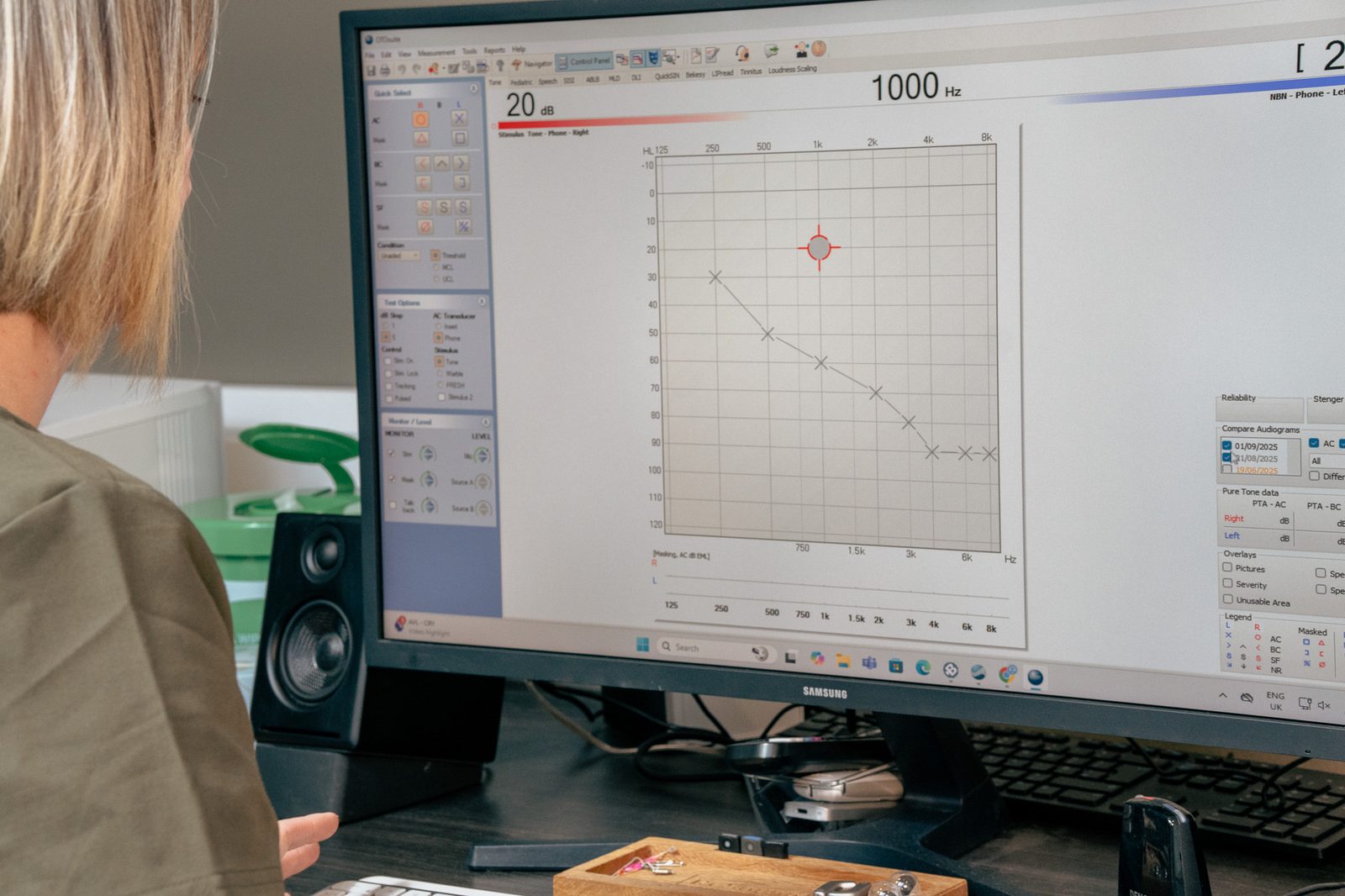
Your hearing can change over time, so hearing aids should not simply be left on their original settings. Alto will usually retest your hearing at least every two years, or sooner where clinically indicated.
This helps ensure your hearing aids are programmed to your latest hearing levels and remain appropriate for your current needs. If more detailed fine-tuning is needed, your audiologist may also use fitting and verification checks such as real ear measurements.
The Alto approach
Part of a personal hearing plan
At Alto, hearing aids are selected carefully, then fitted, verified, explained and supported as part of your treatment plan. The aim is to turn the right technology into something useful in everyday life.
That plan may include a Complete Hearing Assessment, hearing aid recommendation, fitting and verification, follow-up, fine-tuning and ongoing reviews.
If you are still comparing options, the main hearing aids page explains Alto’s approach to hearing technology. If you are weighing up cost and long-term support, you may also find the guide to hearing aid prices and Alto’s hearing aid treatment plans useful.
Questions
Hearing aid aftercare FAQs
Hearing aid aftercare is the ongoing support after your hearing aids have been fitted. It can include follow-up appointments, cleaning, fine-tuning, ear health checks, advice, replacement parts and hearing reviews over time.
Yes. Aftercare is included as part of Alto hearing aid treatment plans. Most plans include aftercare for five years, while Pro includes aftercare for the life of the hearing aids.
Alto normally sees hearing aid clients every six months for aftercare. Hearing is usually retested at least every two years, or sooner where clinically indicated.
Yes. Adjustment after fitting is a normal part of good hearing care. Your audiologist can refine comfort, clarity, volume, background noise settings, programmes, app use and physical fit as you build experience with the hearing aids.
Ask for support if the hearing aids feel uncomfortable, speech is less clear, one side sounds different, feedback has started, the sound feels weak or blocked, Bluetooth is causing problems, or you are not wearing the hearing aids as much as expected.
