

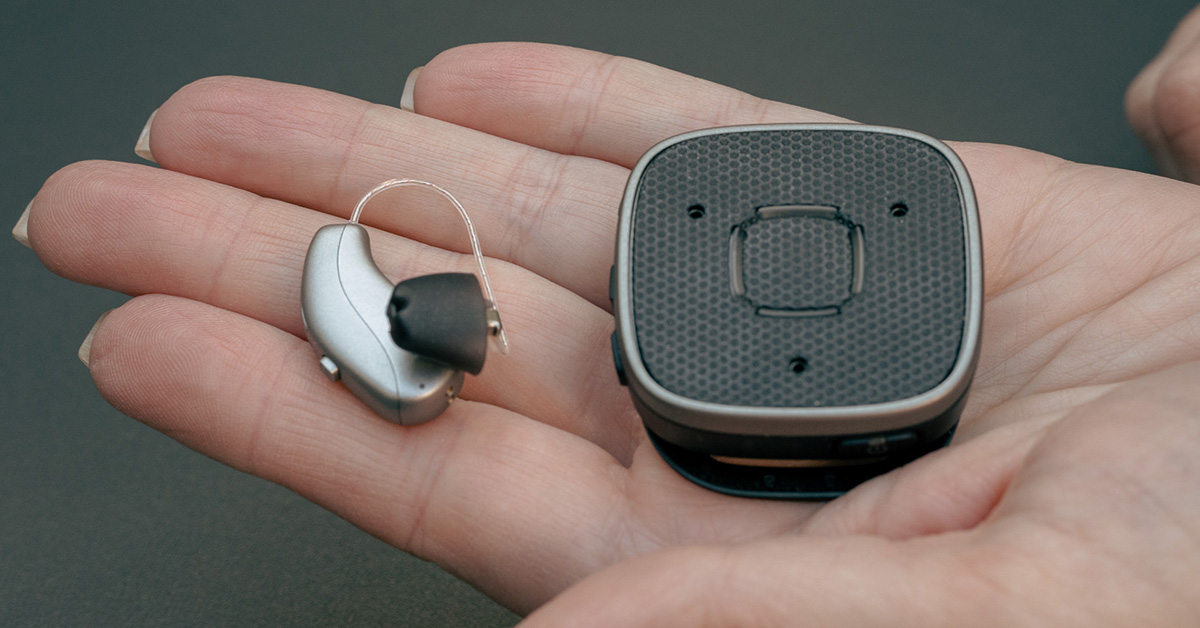
Check whether a hearing-aid quote covers one aid or a pair, which model you would receive and what care is included. Assessment fees, follow-up appointments, repairs and running costs can change what you pay over time.
How much do hearing aids cost in the UK?
NHS hearing aids are free. For private hearing care in the UK, use £1,500 to £6,000 per pair as a broad budgeting guide. Prices outside this range are available, and the technology, fitting and aftercare included vary.
A quote of £3,500 to £4,500 for a pair should make clear which model you would receive, how it would be fitted and how long the aftercare lasts.
Check whether each price is for one hearing aid or two, and ask for any separate fees to be listed.
Prefer to watch instead?
In this video, Adam from Alto Hearing explains what hearing aids usually cost privately in the UK, why prices vary so much, and what to look for when comparing quotes.
Table of Contents
Why hearing aid prices vary so much
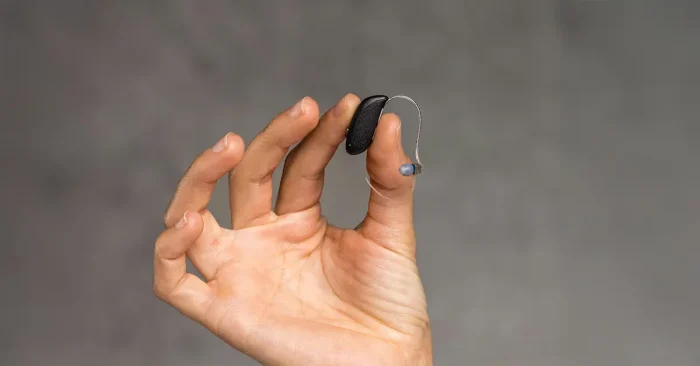
The first reason hearing aid prices vary is the technology itself.
Most major manufacturers produce hearing aids at different technology levels. These devices can look almost identical from the outside, but inside they may be doing different amounts of work. A more basic pair may be perfectly suitable for someone who mainly needs support in easier listening situations, such as one-to-one conversation at home or watching television.
A more advanced pair is usually designed to provide greater support in more complex listening environments. That might include restaurants, family gatherings, meetings, social events, echoey rooms or situations where several people are talking at once.
That distinction is important, because most people looking into hearing aids are not saying, “I cannot hear anything.” More often, they are saying, “I can hear people talking, but I miss words,” or, “I’m fine one-to-one, but I struggle when there are a few people around.” Many people can get through a family meal, but feel drained by the end because listening has become hard work.
That is not simply a volume problem. The real challenge is helping speech come through more clearly without making the rest of the world sound too sharp, too loud or too tiring. Better technology can help, but technology still needs to be chosen carefully and fitted properly.
What is included in the price?
This is where a lot of the confusion comes from.
Two clinics may quote for a similar pair of hearing aids, but the level of care included can differ significantly. One quote may include the devices, a fitting appointment and a small number of follow-ups. Another may include a full assessment, a more detailed fitting process, real-ear measurement, fine-tuning appointments, annual reviews, servicing, repair support and several years of aftercare.
On paper, both quotes may appear to be for hearing aids. In reality, they are not necessarily offering the same thing.
This is why comparing hearing aids purely by model number can be misleading. The model number matters, of course. You should know exactly what you are being quoted for. But the final outcome depends on the way those hearing aids are assessed, fitted, adjusted and supported over time.
This is why hearing-aid treatment plans matter. The plan defines the fitting, follow-up and support around the technology, not just the hearing aids themselves.
A pair of hearing aids fitted quickly, with minimal follow-up, is not the same proposition as a pair fitted through a more detailed clinical process with ongoing care built in.
Why the audiologist matters

The clinician is a much bigger part of the result than many people realise.
A good audiologist is not just programming hearing aids. They are working out what kind of fitting will suit the person in front of them. That means understanding the hearing test, but also understanding the person’s lifestyle, expectations, confidence, previous experiences and the specific situations they find difficult.
Some people are ready for a more precise fitting quite quickly. Others need a more gradual approach because they have not heard certain sounds properly for years, and too much too soon can make the first experience feel uncomfortable. Some people want app control and different listening programmes. Others want the hearing aids to work in the background without having to think about settings.
The detail matters. Someone might say, “I struggle in restaurants,” but that phrase can mean several different things. It might be background speech, distance, echo, fast conversation, poor lighting, a large table, or the difficulty of following several people at once. A strong clinician knows how to explore that properly and translate it into a fitting strategy.
A hearing test gives the starting point. It does not give the full answer.
That clinical judgement is hard to show on a quote, but it often determines whether someone wears their hearing aids confidently every day or gives up after a few months believing that hearing aids “didn’t work”.
Why fitting quality changes the outcome
A hearing aid does not arrive from the manufacturer ready for your ears. It arrives as a piece of technology that needs to be fitted properly.
The manufacturer’s software gives the audiologist a starting point, but your ears are not generic. The shape of your ear canal affects the sound. Your hearing test provides important information, but it does not explain every part of how you hear in real life.
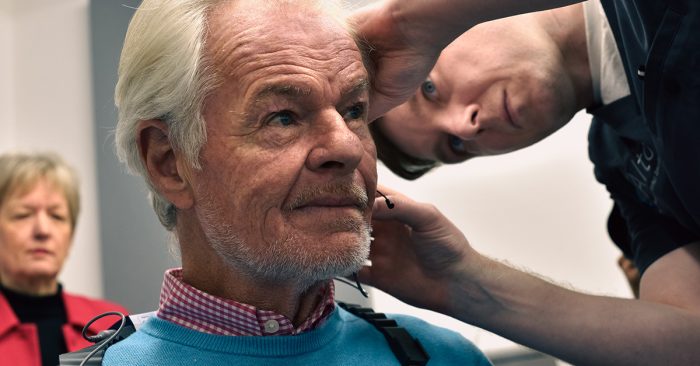
At Alto Hearing, we use real-ear measurement when fitting hearing aids. This involves placing a very small microphone in the ear canal while the hearing aid is being worn, so we can measure what sound is actually reaching the eardrum.
That is different from relying purely on what the software predicts.
Sometimes the predicted fitting is close. Sometimes it is not. If hearing aids are under-fitted, they may feel comfortable but not clear enough. If they are pushed too hard in the wrong places, they may sound sharp or tiring. Neither of those problems necessarily means the hearing aids are wrong. It may simply mean the fitting needs more work.
Many people who say they have “tried hearing aids before” have really tried one pair, fitted in one way, with one level of support. A better fitting process can change the experience substantially.
NHS hearing aids versus private hearing aids
NHS hearing aids are provided free as a long-term loan. Batteries, repairs and follow-up care are also free, although there may be a charge to replace an aid that is lost or damaged.
Private providers can offer a wider choice of hearing-aid models and styles. Ask what appointment time, fitting checks, follow-up and continuity of care the quoted service includes.
Our guide to NHS hearing aids versus private hearing aids compares the choice, fitting and support in more detail.
Why some clinics cost more than others
Different clinics are built around different models of care.
Compare the time and support included in each quote. Ask how long the assessment and fitting appointments last, who you will see for follow-up and how you can get help between appointments.
Tell the provider about handling difficulties, sound sensitivity or problems with hearing aids you have tried before. Ask how they would address those needs and whether the required appointments are included.
This is one of the reasons private hearing aid prices can vary so much. The hearing aids themselves are part of the cost, but the model of care around them can be just as important.
How to compare hearing aid quotes
Ask for an itemised quote you can compare with another provider’s recommendation.
- One hearing aid or a pair. Check how many devices the price covers, with the exact model and technology level for each.
- Assessment and fitting. Confirm any separate assessment fee, what the fitting appointment includes and whether Real Ear Measurements are used to check the fitting.
- Follow-up and aftercare. Find out how long support lasts and which adjustments and reviews are included. Ask about charges after that period, and what happens if your hearing changes or you are still struggling with the aids.
- Repairs and warranty. Check the cover period, any repair charges and whether a loan aid is available during repairs. Ask about loss and accidental damage separately.
- Accessories and running costs. Check whether the charger or any recommended microphone or TV accessory is included. Ask about batteries, replacement domes and wax filters.
- The recommendation. Ask how this model and technology level address your hearing results, the situations you find difficult, handling needs, phone use and budget.
Are cheaper hearing aids a bad idea?
Cheaper hearing aids are not automatically a bad idea.
A lower price may reflect a more basic technology level, a genuine offer, a leaner clinic model, fewer included appointments or less long-term aftercare. For some people, that may be perfectly suitable.
The important thing is transparency.
If a quote is significantly cheaper, you need to understand why. Is the difference in the hearing aid technology? The fitting process? The amount of aftercare? The number of included appointments? The level of ongoing support?
A lower-cost option can be fair and appropriate, provided you know what you are getting.
Are more expensive hearing aids always better?
A higher price does not automatically guarantee a better result.
If a clinic is charging at the higher end, it should be able to explain the value clearly. The technology may be more advanced. The aftercare may be longer. The fitting process may be more detailed. The clinician may have particular expertise. There may be more time included before, during and after the fitting.
All of that can be valid, but it should be easy to understand.
A fair quote should make sense when someone explains it. If the explanation is vague, or if the recommendation does not seem connected to your actual hearing needs, it is worth pausing before making a decision.
Our guide to whether premium hearing aids are worth it looks at the listening situations in which extra features may help.
How we approach hearing aid prices at Alto Hearing
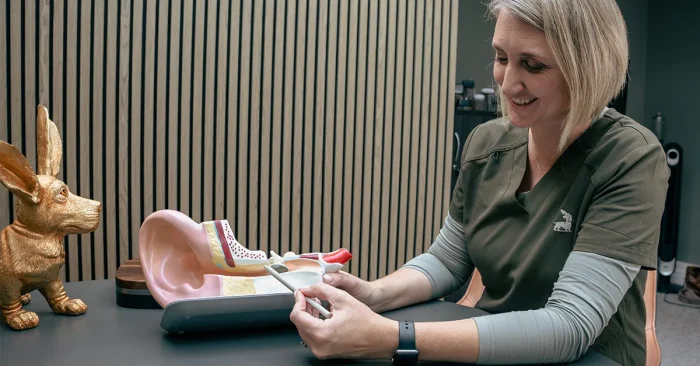
At Alto Hearing, we provide hearing-aid treatment plans that include the technology, fitting, aftercare and ongoing support around it.
The £75 Complete Hearing Assessment is paid separately. Our plans page shows prices for one or two hearing aids and the care included. Optional accessories, spare domes, filters, batteries and some specialist hearing-aid choices can change the final quote.
The hearing aids matter, of course, but the result depends on the assessment, recommendation, fitting, verification, adjustment period and care afterwards. It also depends heavily on the clinician.
We spend more time understanding what is happening in real life, not just what appears on the hearing test. We work with different manufacturers, so we are not trying to make everyone fit one product route. We verify fittings properly, and we build aftercare into the plan because people’s hearing, routines and priorities change over time.
Alto is built around a more detailed model of care, so the value sits in the assessment, fitting and long-term support as well as the hearing aids themselves.
So, what should you expect to pay?
NHS hearing aids are free. For private care, £1,500 to £6,000 per pair is a broad budgeting guide, with options outside this range. Check what is included in the quote before comparing prices.
The number only becomes meaningful when you understand what sits behind it.
You need to know the technology level, how the hearing aids will be fitted, whether real-ear measurement is used, what aftercare is included, who will be looking after you and what happens if you need more support later.
If those things are clear, the quote should make sense. If they are vague, be careful.
Thinking about hearing aids?
Our clinics are in Kenilworth, Lutterworth, Market Bosworth and Clitheroe.
A Complete Hearing Assessment helps us understand your hearing and the situations you find difficult. We can then discuss suitable options and their cost. Request a call back and we’ll help arrange the appointment.
Or call Alto Hearing on 0800 246 1901.
FAQs
How much do hearing aids cost in the UK in 2026?
Use £1,500 to £6,000 per pair as a broad budgeting guide for private hearing care in the UK. Prices outside this range are available. Check the exact model, fitting, aftercare and any separate fees in the quote.
Are NHS hearing aids free?
Yes. NHS hearing aids are provided free as a long-term loan, with batteries, repairs and follow-up care included. There may be a charge to replace an aid that is lost or damaged.
Why do private hearing aids cost more?
Private hearing aid prices usually include more than the devices themselves. The cost may include the assessment, fitting, real-ear measurement, fine-tuning, aftercare, servicing and ongoing clinical support.
Are expensive hearing aids worth it?
They can be, but only if the extra cost is clearly justified. A higher price may reflect more advanced technology, longer aftercare, a more detailed fitting process or more clinical time. The clinic should be able to explain this clearly.
Are cheaper hearing aids a bad idea?
Not necessarily. A lower-cost option may suit someone with simpler needs or someone who wants a more basic route. The important thing is knowing exactly what is included and what is not.
What should I ask before buying hearing aids privately?
Ask whether the price is for one hearing aid or a pair, and confirm the exact model and technology level. Check whether Real Ear Measurements are used, what fitting and aftercare are included, and any separate fees. Ask about warranty terms. Ask why the recommendation suits your hearing, listening needs and budget.