


Retirement planning has become good at missing the obvious.
There will be pension forecasts, tax forms, wills, ISAs, travel insurance and at least one PDF from a financial provider written in a tone of deep institutional boredom.
Then the first week of retirement arrives and nobody is asking about drawdown strategy. They are asking whether you heard what the waiter said about the fish.
If you are planning retirement, a hearing check is one of the simplest health checks to do early, especially if restaurants, family meals, appointments or travel have started to feel harder to follow.
Written by Adam Bostock. Audiologist and founder of Alto Hearing.

Why check before retirement?
- Hearing changes often show up as unclear speech, not silence.
- Restaurants, family meals, cars, appointments and group conversations are common early clues.
- Work can hide hearing difficulty because routines, rooms and voices are familiar.
- Retirement often brings more varied listening: travel, family, social plans, clinics and new groups.
- A hearing check before retirement can give reassurance, find wax, monitor early change, or guide proper treatment.
Jump to:
The signs people explain away
The first sign of hearing loss is often not the television. It is the waiter reciting the specials while facing the next table, and everyone else apparently understanding him.
It is a grandchild telling a story from the back of the car. It is a friend across a pub table. It is your partner saying something from the kitchen, as if walls were a minor detail.
Most people do not call this hearing loss.
They say the restaurant was loud. The phone line was bad. The room had an echo. The children speak too quickly. The speaker at the retirement dinner should have used the microphone.
Fair enough. Britain has produced many rooms where speech goes to die.
But when the problem follows you from the restaurant to the family table, from the car to the GP surgery, the room may not be carrying all the blame.
A common pattern: you hear the voice, but not the words. You know someone has spoken, but the detail has gone missing.
Why retirement can expose hearing changes
Early hearing loss can feel oddly specific. Names disappear. The end of a sentence smudges. You follow a story until someone turns away, then the thread goes.
People work around it.
They pick the corner seat. They avoid the long table. They let someone else talk to reception. They stop booking the noisy place. They laugh when the group laughs, then ask what was funny on the way home.
Work can disguise all of this for longer than people realise. Same colleagues, same rooms, same vocabulary. Even meetings become easier when you already know who says what.
Retirement removes some of those clues. The week opens up. More family. More travel. More meals out. More appointments. More rooms where speech comes from the wrong direction with a coffee machine in the background.
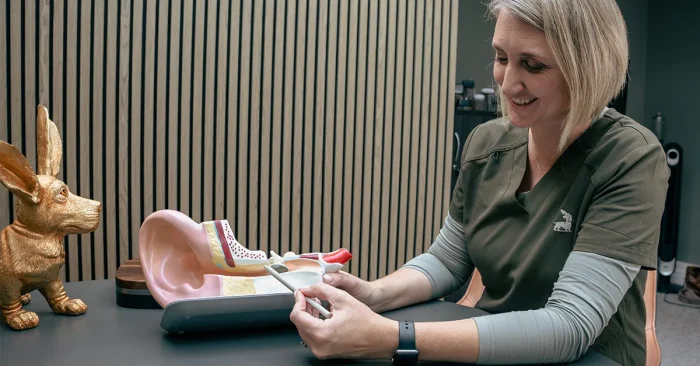
Why restaurants are such a common clue
Restaurants are hard because they ask the hearing system to do several things at once.
You need to follow speech, ignore other voices, cope with music, manage cutlery noise, and keep track when people turn their heads or talk over each other. If hearing has changed, the brain has to work harder to fill in the gaps.
That is why many people say, “I can hear them, but I cannot understand what they are saying.”
This is also why a standard hearing test in quiet does not always explain the whole problem. At Alto, our Complete Hearing Assessment includes speech-in-noise testing, including QuickSIN, because the test room tells part of the story. The family lunch tells the rest.
What hearing check should you book before retirement?
A hearing check belongs with the eye test before a long driving holiday: ordinary, useful, better done early.
Alto is sensible about this. We do not push everyone through the same door.
SoundCheck
A short SoundCheck is a good starting point if you are mildly curious, not sure anything has changed, or want a quick first look before deciding what to do next.
Complete Hearing Assessment
A Complete Hearing Assessment is the better route if listening has already become harder in restaurants, family gatherings, appointments or travel.
The Complete Hearing Assessment gives time for ear health checks, hearing levels, speech-in-noise testing and a proper conversation about the rooms where listening has become hard work.
What happens if we find something?
Sometimes the answer is wax. Sometimes it is reassurance. Sometimes it is monitoring. Sometimes it is a pair of hearing aids, fitted carefully, then adjusted once real life has had a vote.
If earwax is part of the problem, we can discuss safe ear wax removal. If your hearing is mostly stable, we may simply recommend monitoring. If hearing aids are appropriate, the recommendation should be based on your hearing test, speech-in-noise results, ear shape, lifestyle and confidence with technology.
No one should be pushed from “I struggle in restaurants” straight to “you need hearing aids” without a proper assessment. The point of checking early is to make the decision clearer, not scarier.
Modern hearing aids are not what many people imagine
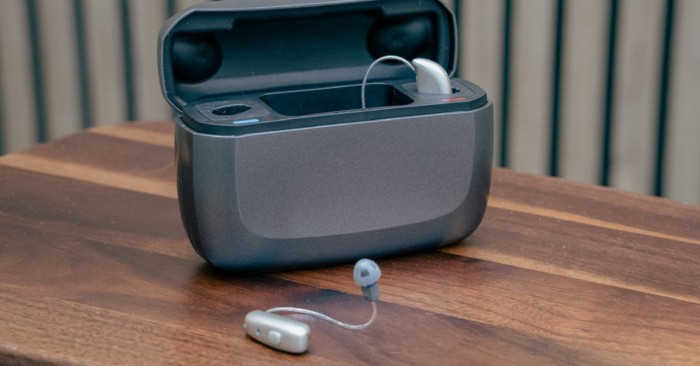
Modern hearing aids are much better than their old reputation. Smaller, smarter, easier to live with. Still, the care around them matters.
A poor fitting can turn good technology into something left in a drawer. A good fitting takes time, follow-up and a clinician willing to ask what happens outside the clinic.
That is why Alto uses Real Ear Measurements and a structured hearing aid fitting and verification process when hearing aids are recommended.
The hearing aid itself matters. The fitting, review and aftercare around it matter just as much.
Better to know before the diary fills up
No one says they will book an eye test once menus have become guesswork. With hearing, people can spend years filling in gaps, blaming rooms and letting their partner translate the world.
Book the check. Take the person who keeps mentioning the television. Be honest about the places you have started avoiding.
The answer may be nothing much. It may be wax. It may be a hearing loss you have been working around for longer than you thought.
Better to know before the diary fills up.
Planning retirement?
If restaurants, appointments, family meals or travel have started to feel harder to follow, a Complete Hearing Assessment gives you a clear picture before retirement gets busy.
Frequently asked questions
Should I have a hearing check before retirement?
It can be sensible, especially if restaurants, family meals, appointments or group conversations have started to feel harder to follow. A hearing check before retirement can give reassurance, identify wax, monitor early change or guide treatment if needed.
What are early signs of hearing loss in retirement?
Early signs often include hearing speech but missing words, struggling in restaurants, asking people to repeat themselves, finding group conversations tiring, turning the television up, or relying on a partner to repeat information.
Why do I hear fine at home but struggle in restaurants?
Restaurants add background noise, music, competing voices and poor acoustics. You may hear that someone is talking but miss the detail. Speech-in-noise testing helps measure this difficulty more clearly than a standard hearing test in quiet.
What is the difference between SoundCheck and a Complete Hearing Assessment?
SoundCheck is a short first check if you are unsure whether your hearing has changed. A Complete Hearing Assessment is more detailed and includes ear health, hearing levels, speech-in-noise testing, discussion and clear next steps.
Will a hearing check mean I need hearing aids?
No. Sometimes the answer is reassurance, monitoring or wax removal. If hearing aids are appropriate, the recommendation should be based on your hearing test, speech-in-noise results, ear shape, lifestyle and goals.
Can hearing aids help with retirement activities like travel, meals out and family gatherings?
They can help when they are chosen and fitted properly, but no hearing aid removes background noise completely. The fitting, verification, follow-up and expectations matter as much as the technology itself.