

Hearing loss in farming: what long days around machinery can do to your ears
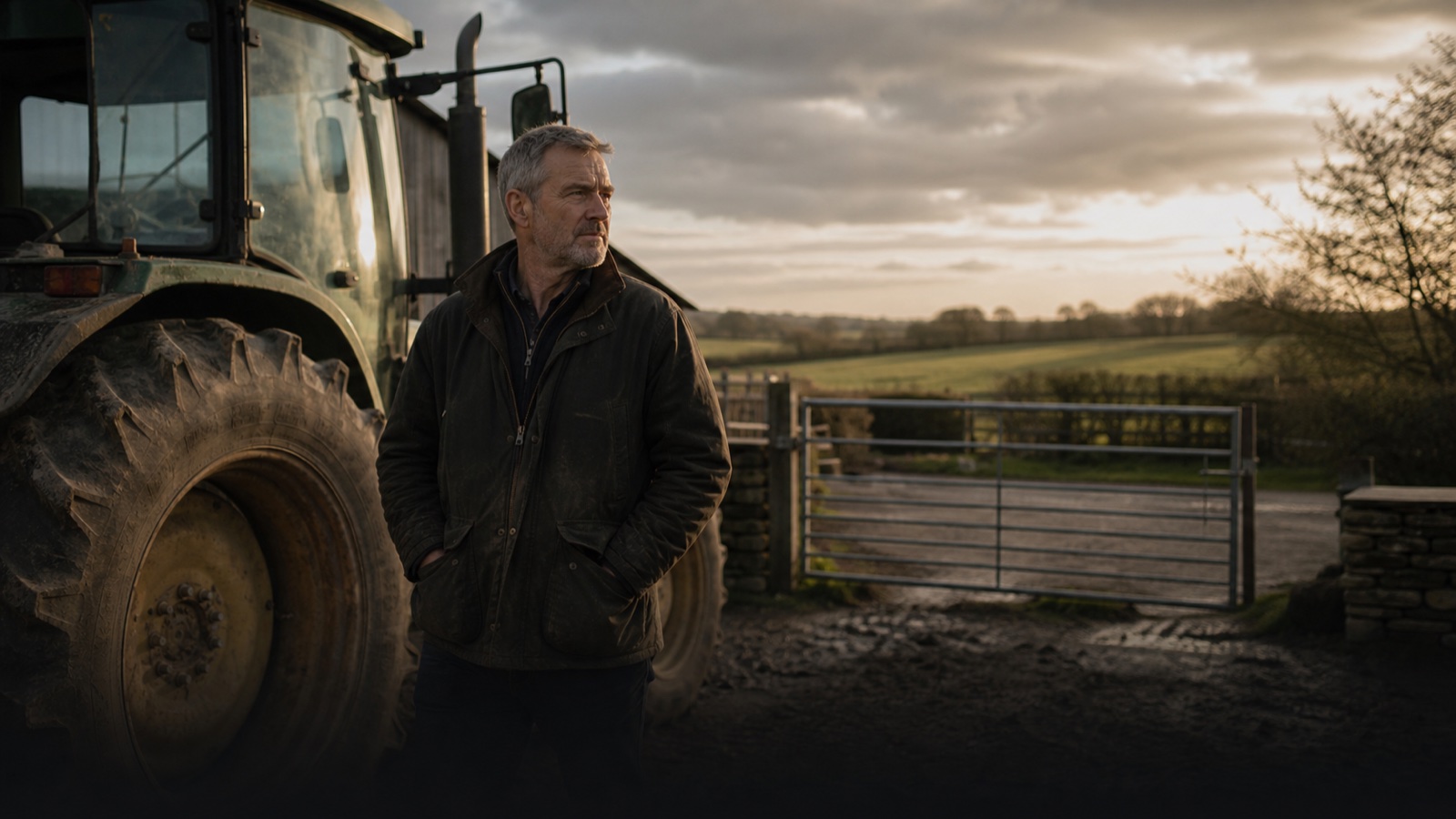
Most farmers don’t wake up one morning unable to hear very well. Usually, the first signs are small and irritating: the television gets louder, phone calls take a lot more effort, and family meals are harder to follow than they used to be.
The work is definitely part of it. Tractors, grain dryers, livestock buildings, workshop tools, chainsaws and shooting all put noise into the week. It doesn’t have to take one incident of loud noise exposure for it to matter over time.
If you are starting to think, “I can hear, but I can’t follow,” it is worth checking it out properly. A Complete Hearing Assessment can show whether noise has affected your hearing, whether wax is involved, and what is worth doing next.
By Adam Bostock, audiologist and founder of Alto Hearing. Clinically reviewed and updated June 2026.
A practical rule for the farm: if you need to raise your voice to speak to someone nearby, put hearing protection in before carrying on. Don’t wait until the job feels loud enough to be a problem.
Why farming is so hard on hearing
Farm noise does not behave like factory noise. It comes in jobs: a spell in an older tractor, a grinder in the workshop, a few minutes near the dryer, a chainsaw job that takes longer than expected, pigs at feeding, a shotgun close to the ear.
Each job can feel too short to stop for. Across a working day, and across a working life, the exposure adds up slowly.
The Health and Safety Executive guidance on agricultural noise is clear that exposure from different farm sources can have a cumulative effect. It also notes that noise can interfere with communication and make warnings harder to hear, which definitely matters on a yard where a missed shout, alarm or reversing vehicle can become a safety problem.
Farm noise adds up faster than it feels
A loud job for ten minutes and a moderate job for several hours can all add up. The ear doesn’t only care how loud the sound is. It also cares how long you’re around it, how often it happens, and whether the noise is steady or sudden.
| Farm noise source | What to watch |
|---|---|
| Tractors and combines | Modern enclosed cabs can be much lower than older or open-cab machines, but long hours still matter. |
| Grain dryers, augers and handling equipment | Steady noise can make daily exposure build quickly, especially when jobs run for long periods. |
| Workshop tools and angle grinders | Short bursts can still be damaging, particularly when the work is close to the ear. |
| Chainsaws | Loud enough that protection should be routine, not optional. |
| Livestock buildings | Noise can climb quickly around feeding and movement. HSE notes pigs at feeding can reach 100 dB or more. |
| Shooting | Impulse noise is a separate risk. A single peak can be very high, so ordinary foam plugs may not be the best answer. |
The workplace noise rules use 80 dB and 85 dB daily exposure levels as key action points, with higher peak limits for sudden noise. You do not need to carry those numbers around in your head to make better decisions on the farm. If a job makes conversation difficult at close range, your ears are probably doing more work than they should.
What changes first
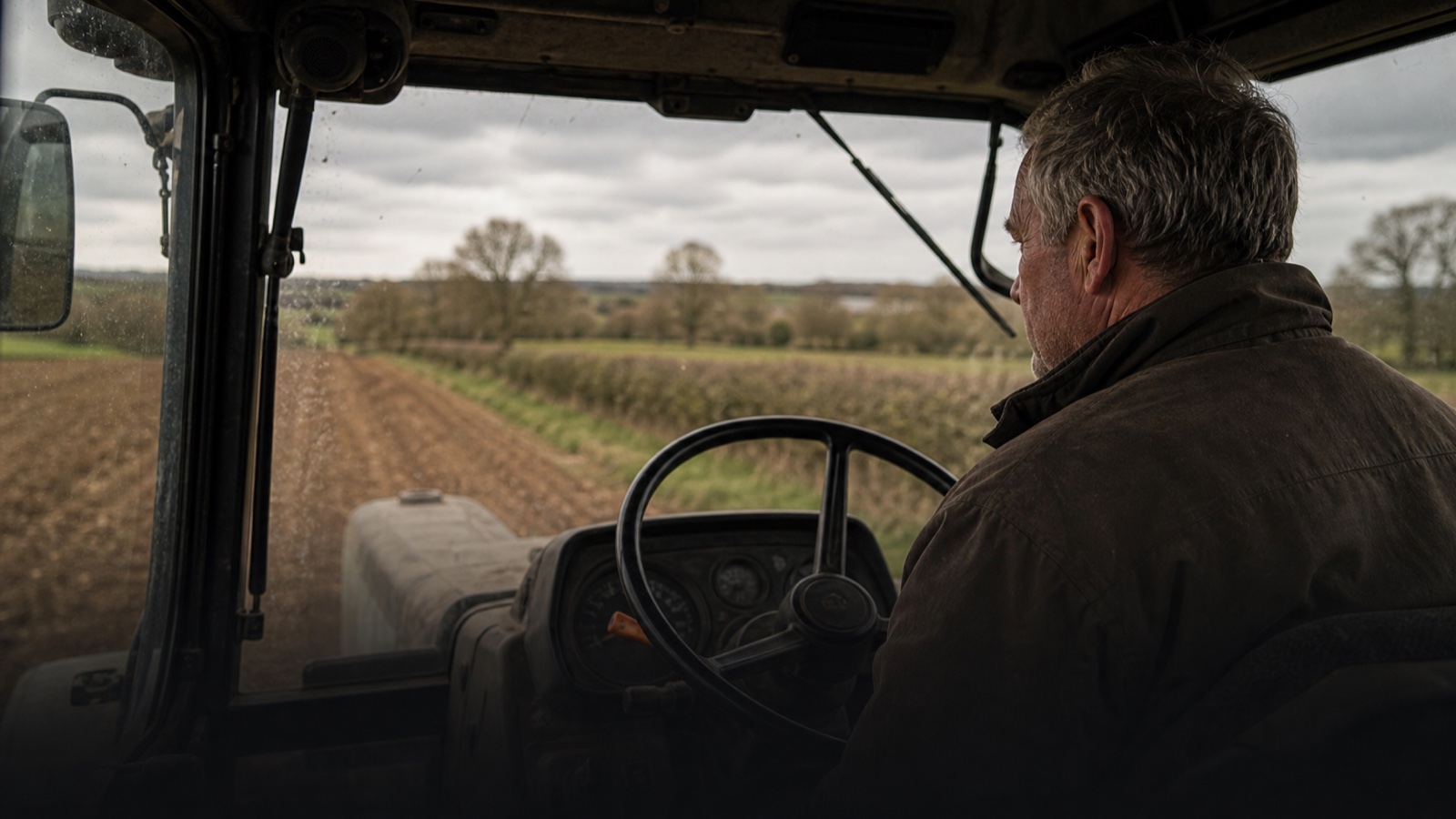
Noise-related hearing loss often affects higher-pitched sounds first. That is why people may hear a voice but miss the clarity in it. Consonants blur. Softer voices disappear. Speech in background noise becomes harder than one-to-one conversation.
Around the farm
- Missing a shout from across the yard
- Not picking up alarms as quickly
- Struggling to tell where a sound came from
- Finding radio speech harder in a cab
Away from work
- Turning the television up for everyone else
- Missing grandchildren’s voices
- Finding pubs, markets and family meals harder
- Getting ringing or hissing in the ears
When someone says, “I can hear, but I cannot follow,” we think about clarity and speech-in-noise, not just volume. At Alto, speech-in-noise testing helps show how the ears cope when speech and background noise compete.

Before you assume it is permanent hearing loss
A blocked ear is not always long-term hearing loss. Earwax, an ear infection, a cold, sinus pressure or a sudden medical problem can all change hearing.
Start by looking in the ears. If wax is the main issue, ear wax removal may be the right appointment. If the hearing still feels reduced after the ears are clear, a Complete Hearing Assessment gives a fuller picture.
A sudden hearing change, one-sided hearing loss, pain, discharge, dizziness or a sudden increase in tinnitus should be treated more urgently and checked medically. Do not write that off as another sign of age or farm work.
Protection that farmers actually wear
The best hearing protection is the kind that is comfortable, close to hand and suited to the job. One good set left in the house is not much use when the grinder starts or the dryer is running.
Foam plugs and standard defenders can work, but many farmers stop using them because they block too much useful sound. They want to hear speech, engine changes, animals and warnings without taking the full force of the noise.
Custom ear protection is often a better fit for farm work than a plug you tolerate for five minutes and then remove. Custom moulded plugs are made from the shape of your ears and can use filters to reduce harmful levels while keeping more natural sound than a basic plug. For shooting, electronic protection can reduce the gunshot while still allowing ordinary conversation between shots.
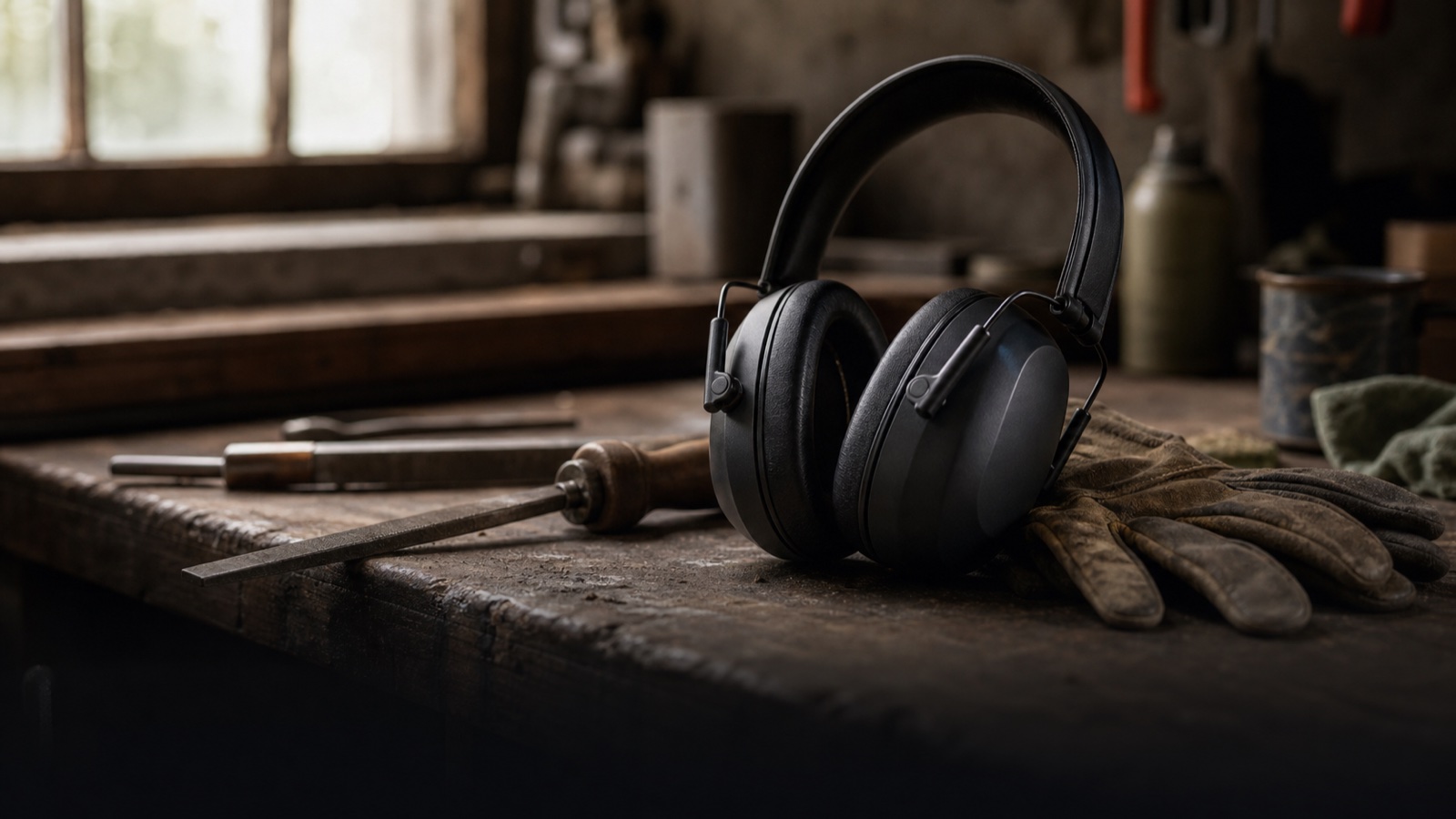
Alto’s practical advice: keep protection where the noise happens. One set in the workshop and one in the tractor is more useful than one perfect pair you never have with you.
What we would want to check first
For farmers, the history matters as much as the results of a diagnostic hearing test.
We would want to understand the work you have done, the machinery you still use, whether shooting is part of life, whether tinnitus is present, and where the hearing problem shows up now. There is a difference between someone who mainly wants reassurance and someone whose work, safety or family life is being affected.
A Complete Hearing Assessment looks at ear health, wax, hearing levels and how the results connect to everyday listening. If hearing aids are not needed, you should be told that plainly. If they are worth considering, the recommendation should explain why.
If hearing aids are part of the answer
Farmers can be hard on hearing aids. Dust, sweat, handling, outdoor work, phone calls, machinery noise and long days all matter. The device has to be suitable, but the fitting and follow-up matter just as much.
Noise-related loss often affects both ears, so two hearing aids are commonly discussed. Two ears help with balance, direction and separating speech from background noise. That can matter around machinery as much as it matters at a family table.
The useful work happens before and after the device choice: choosing the right style and technology for your hearing, checking the hearing-aid fitting properly, then reviewing it once you have worn the aids in your own life. Alto’s hearing-aid aftercare and hearing-aid treatment plans cover that longer-term support.
Local rural hearing care
Alto has clinics in and around communities where many patients live or work rurally, including Market Bosworth, Lutterworth, Clitheroe and Kenilworth. We have years of experience working with local farmers, and have achieved excellent results which are reflected in the feedback and local referrals we have received.
If you’re not sure whether to start with wax removal, SoundCheck, custom protection or a Complete Hearing Assessment, speak to the team. What matters is what has changed, how quickly it changed, and whether the ear itself needs checking first.
Spent years around farm noise?
A Complete Hearing Assessment can check ear health, wax, hearing levels and speech-in-noise ability, then explain what is worth doing next.
Or read about the Complete Hearing Assessment first.
Hearing loss in farming FAQs
Can farming noise cause permanent hearing loss?
Yes. Regular exposure to loud machinery, livestock buildings, workshop tools, chainsaws and shooting can damage hearing over time. Noise-related hearing loss is usually permanent, so protection and early checking matter.
Which farm jobs are worst for hearing?
Older or open-cab machinery, grain drying, workshop tools, chainsaw work, intensive livestock buildings and shooting are all common risks. The exact risk depends on sound level, distance, duration and how often the work is repeated.
How often should farmers have their hearing checked?
If you work around regular noise, a check every couple of years is sensible. Arrange one sooner if speech sounds muffled, the television is getting louder, tinnitus has appeared, or family members have noticed a change.
Can hearing protection still let me hear what is happening?
Yes, if it is chosen properly. Custom filtered plugs and electronic protection can reduce harmful levels while still allowing more useful sound than basic foam plugs or standard defenders.
Do farmers usually need two hearing aids?
If hearing aids are needed, two are commonly recommended because noise-related hearing loss often affects both ears. Two ears help with direction, balance and speech in background noise, but the recommendation should follow a proper assessment.
Should I start with ear wax removal or a Complete Hearing Assessment?
If the ear mainly feels blocked or full, wax may need checking first. If hearing has been changing over time, speech is harder to follow, or noise exposure has been part of your work, a Complete Hearing Assessment gives a fuller picture.
Sources
Health and Safety Executive: Noise in agriculture; Health and Safety Executive: Control of Noise at Work Regulations 2005. This article is general information and is not a substitute for a clinical appointment or medical advice.