


Hearing aid care
Hearing aid fitting and verification
A proper hearing aid fitting is where your hearing treatment starts to become real. At Alto, the appointment is about comfort, clarity, confidence and a clear plan for the first few weeks.
Your chosen hearing aids are fitted carefully to your hearing, your ears and your listening needs. Your audiologist explains what has been programmed, why those settings have been chosen and how the first stage of use should feel.

Why fitting matters
Good hearing aids still need careful fitting
Choosing the right pair of hearing aids is only part of the result. The outcome also depends on how they are fitted, verified, adjusted, explained and supported once you begin wearing them in everyday life.
Your hearing assessment gives the audiologist a clinical starting point. Your ear shape, comfort, sound tolerance, handling confidence and listening priorities all influence how the fitting is set up and refined.
This is why Alto treats hearing aid fitting as part of a personal treatment plan, alongside assessment, recommendation, verification, fine-tuning and ongoing hearing aid aftercare.
Your appointment
What happens at a hearing aid fitting?
The appointment is practical, clinical and personal. It sets a comfortable starting point and gives you time to understand the hearing aids before you take them into daily life.
- Checking the physical fit and comfort in your ears
- Programming the hearing aids to your hearing assessment results
- Setting the starting level for your first period of use
- Explaining sound quality, speech clarity, background noise and comfort
- Pairing apps, phones or accessories where relevant
- Showing you how to insert, remove, charge, clean and maintain the hearing aids
- Checking handling, controls and day-to-day confidence
- Setting expectations for the first days and weeks
Verification
Checking what your hearing aids are doing in your ears
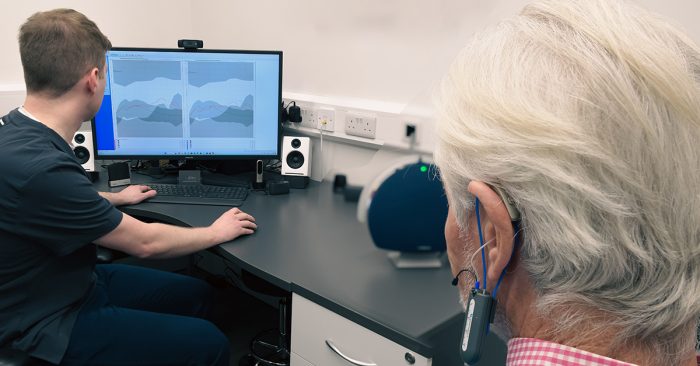
Verification helps your audiologist check what the hearing aids are actually delivering when you are wearing them. It gives more information than fitting software alone and helps guide accurate hearing aid adjustment.
Real Ear Measurements are one part of this process. They help measure the sound reaching your ear while the hearing aids are in place, then guide further fine-tuning where needed.
This page focuses on the wider fitting journey. If you want the clinical detail, Alto has a dedicated guide to real ear measurements.
Why we may start gently
Alto follows recognised best practice, and verification is normally part of best-practice hearing aid fitting. At the same time, the first settings need to be suitable for the person wearing the hearing aids.
Some clients need to begin at a lower, more comfortable level and build up gradually. This can be helpful when sound has been reduced for a long time, when certain sounds feel sharp at first, or when confidence is still developing.
Best practice with judgement
Your audiologist may adjust the timing of verification or final target matching around your hearing, tolerance and first-week plan. That means the clinical process is still there, but it is paced in a way that supports comfort, adaptation and long-term wear.
A plan for the first few weeks
You should leave knowing what to expect, how often to wear the hearing aids, which sounds may feel different and when your audiologist plans to review and refine the fitting.
Post-fitting support
Your first follow-ups
Alto normally arranges two follow-up appointments after your hearing aid fitting, with more if needed. These visits help settle the fitting before you move into your personalised hearing aid aftercare journey.
Settle in
We check comfort, handling, wear time and how you are adapting to everyday sound.
Optimise the settings
If you started gently, we may increase the level gradually and refine clarity, volume, programmes and background noise handling.
Build confidence
Once you have used the hearing aids, we can help with apps, accessories, listening programmes, charging and maintenance routines.

The Alto approach
Part of a personal hearing plan
At Alto, hearing aids are selected carefully, then fitted, verified, explained and supported as part of your treatment plan. The aim is to turn the right technology into something useful in everyday life.
That plan may include a Complete Hearing Assessment, hearing aid recommendation, fitting, verification, follow-up, fine-tuning and ongoing reviews.
If you are still comparing options, the main hearing aids page explains Alto’s approach to hearing technology. If you are weighing up cost and long-term support, you may also find the guide to hearing aid prices and Alto’s hearing-aid treatment plans useful.
Questions
Hearing aid fitting FAQs
Your audiologist checks the physical fit, programmes the hearing aids to your hearing results, explains the settings, carries out appropriate checks and shows you how to use and look after them. The appointment also covers expectations for the first days and weeks.
The length can vary depending on the hearing aids, your needs and how much practical support is required. The appointment should allow enough time for programming, comfort checks, explanation, handling and your first plan for wearing the hearing aids.
They should be comfortable and clearly explained, but your brain may need time to adapt to sounds you have not heard properly for a while. Some people settle quickly. Others benefit from a gentler starting point, followed by hearing aid fine tuning once they have tried them in everyday situations.
Hearing aid verification checks what the hearing aids are delivering in your ears. Real Ear Measurements are commonly used as part of this process, helping the audiologist compare the fitting with the prescription target and make more accurate adjustments.
Yes. Hearing aid adjustment after fitting is a normal part of good care. Follow-up appointments can refine speech clarity, comfort, background noise settings, volume, programmes, app use and confidence as you build experience with the hearing aids.
