

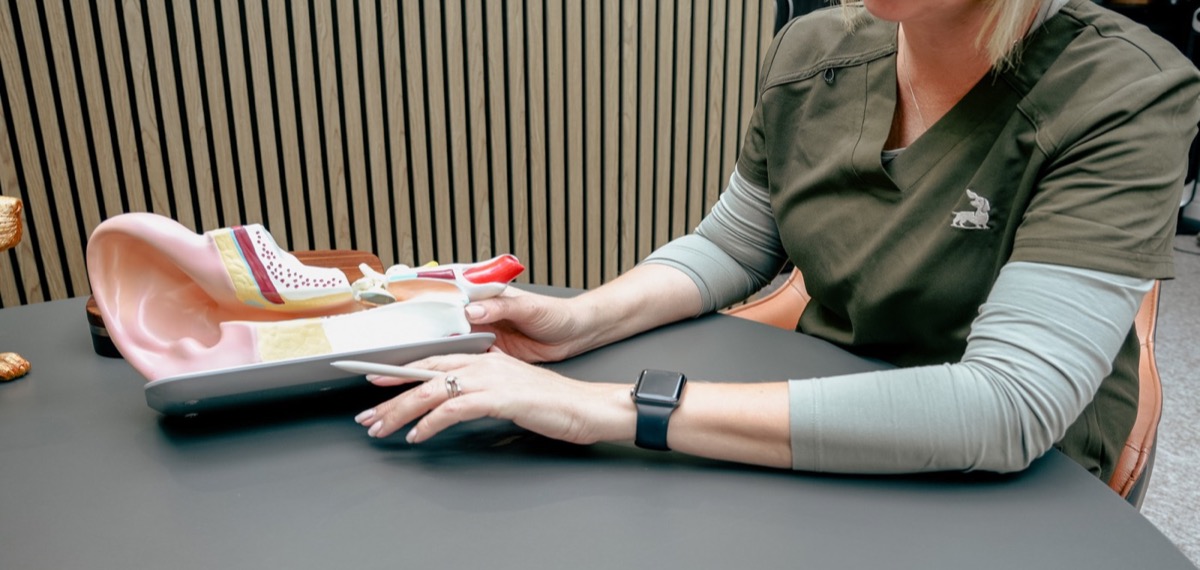
Do I need hearing aids? Usually the honest answer is: you need your ears and hearing checked before anyone can say. Hearing aids might be the right answer. So might wax, an ear-health issue, or a hearing change that simply needs monitoring.
The point of a hearing check is not to prove you need hearing aids. It is to find out why listening has become harder.
Last updated 5 June 2026.
Most people do not wake up one morning and think, “I need hearing aids now.”
It is usually more ordinary than that. The television has crept up. You miss a name at the start of a conversation and spend the next five minutes trying to catch up. You hear the waiter speaking, but lose the actual detail. Someone at home starts repeating themselves with less patience than they used to.
That is when the question starts to sit in the background: is this hearing loss, wax, age, tiredness, background noise, or just other people mumbling?
You do not have to answer that from a hunch. Start with the ear and the evidence, not the label.
You do not need to arrive with a verdict
At Alto, we would rather you arrive with examples than a diagnosis.
“I can hear, but I cannot always follow.” “The TV keeps causing comments.” “Restaurants have become hard work.” “One ear feels blocked.” Those are useful things to bring into the room.
Before hearing aids are discussed properly, someone should look in your ears, measure your hearing, explain the results, and understand where the problem is showing up in real life. An audiogram can show whether the issue is mainly volume, clarity, one ear, both ears, or certain pitches. A conversation about your day-to-day listening tells us whether the numbers on the chart match what is actually happening.
If your hearing is where it should be, we will say so. If wax is blocking the view or affecting your hearing, that needs dealing with first. If the results suggest hearing aids would help, the recommendation should come after the assessment, not before it.
Bring the problem, not a verdict. A good hearing appointment should help you leave knowing whether the next step is reassurance, wax removal, monitoring, a fuller assessment, medical advice or hearing aids.
The signs worth checking
Hearing loss does not always feel like everything has gone quiet. Often, sound is still there, but the useful bits are missing.
You hear that someone has spoken, but the words arrive blurred. A sentence begins clearly, then the ending disappears. You can follow one person across a table, but not four people talking over each other.
These are the signs I would take seriously:
- You ask people to repeat themselves more often.
- You hear people talking but miss names, numbers, endings or instructions.
- Restaurants, cafes, meetings or family meals feel harder than they used to.
- The television volume is fine for you but too loud for someone else.
- You rely more on watching faces, subtitles or someone else filling in the gaps.
- Listening feels tiring, especially by the end of the day.
One of the clearest clues is avoidance. People stop choosing the noisy restaurant. They let someone else answer at reception. They pick the corner seat. They laugh when the group laughs, then ask what was funny later.
None of that proves you need hearing aids. It does mean your hearing is worth checking before the workarounds become normal.

When the blocked feeling may be wax
A blocked ear is a different question.
Earwax can make hearing feel muffled, full or uneven. It can affect one ear more than the other. It can also make hearing aids whistle, feel uncomfortable or seem less useful than they should.
But wax can be part of the problem without being the whole explanation. Some people have wax and an underlying hearing change at the same time. Removing wax may improve the hearing, but still leave something worth checking.
That is why an ear check matters. If wax is present, deal with that before judging your hearing. If your ears are clear, or hearing still feels reduced after wax has been removed, the next step may be SoundCheck or a Complete Hearing Assessment.
For a fuller comparison, read our guide to earwax or hearing loss.
Which appointment makes sense?
If you are unsure what to book, match the appointment to what has changed.
You want a first look
If you are not sure anything serious is wrong but want to check, start with SoundCheck.
It is a shorter first check and can show whether anything needs more attention.
Listening is affecting normal life
If conversations, family meals, work or background noise have become harder, book a Complete Hearing Assessment.
You need the fuller picture: ear health, hearing levels, speech-in-noise testing and proper discussion.
You can read what happens at a Complete Hearing Assessment before you book.
Your ear feels blocked or full
If it feels wax-related, start with an ear check or wax removal.
Wax should be checked before anyone assumes the hearing itself has changed.
The change feels sudden or unusual
Use urgent NHS advice first if the change is sudden, rapid, one-sided or worrying.
That is not a routine hearing-aid question.
Background noise is a good example of why the right appointment matters. If restaurants, group conversations or busy rooms are the main problem, a quick look may not tell the whole story. At Alto, the Complete Hearing Assessment includes speech-in-noise testing, because hearing in a quiet test room and following conversation in a cafe are not the same job.
When to use the NHS first
Routine hearing-aid questions can wait. Sudden or unusual symptoms should not.
Seek urgent NHS advice if hearing loss comes on suddenly, worsens quickly, affects one ear in a new or unusual way, or comes with significant pain, discharge, dizziness, facial weakness, head injury, or tinnitus that is pulsing, severe or worrying.
The NHS hearing loss guidance and NHS tinnitus guidance explain when to use urgent routes such as NHS 111, a GP, A&E or 999.
If hearing aids are recommended
A hearing check does not automatically mean you will be told to buy hearing aids.
It might show normal hearing. It might show wax. It might show a mild change that is worth monitoring. It might show a hearing loss where hearing aids could make day-to-day listening easier.
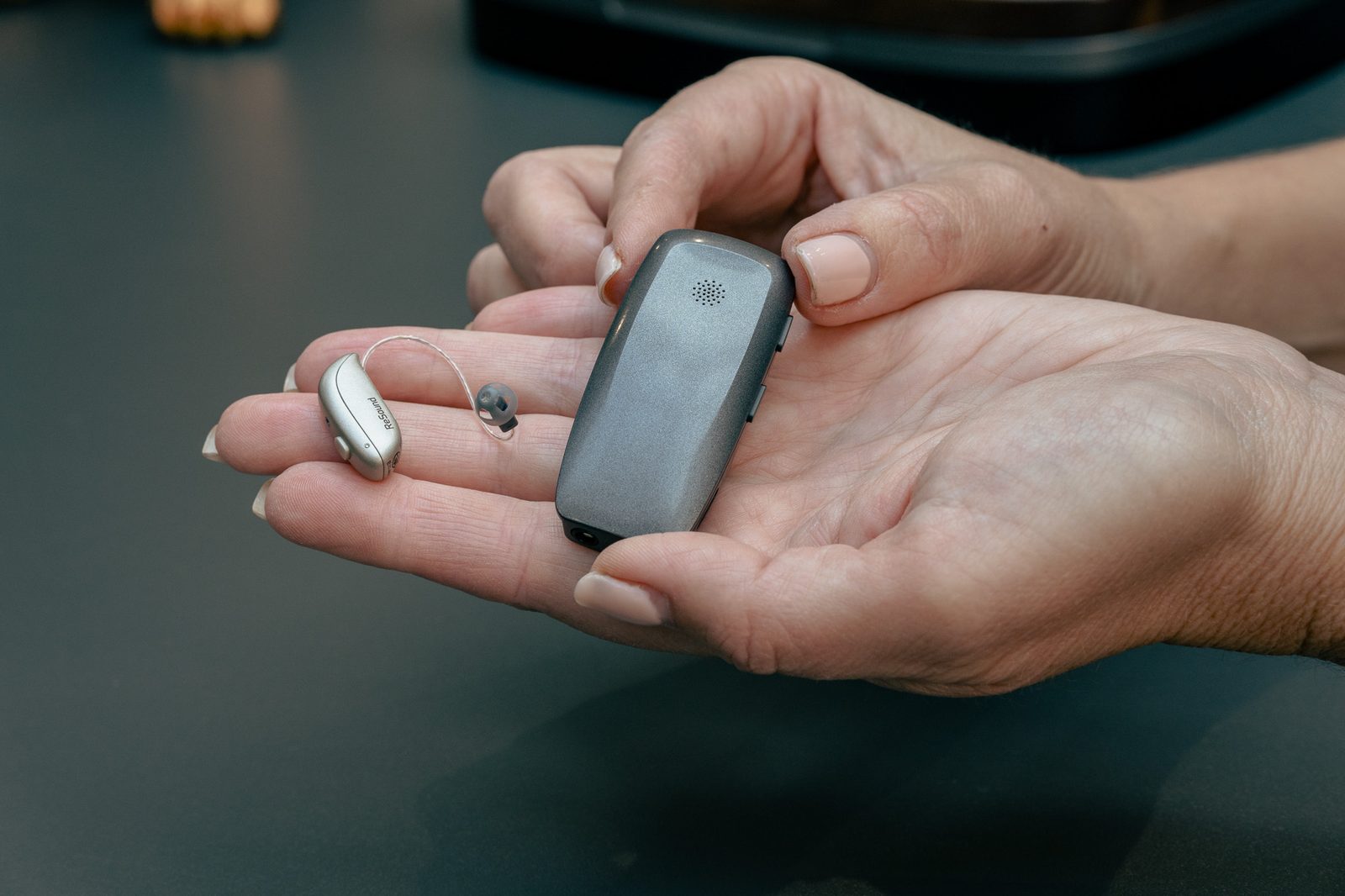
If hearing aids are recommended, the useful question is not “which brand is best?” The useful question is what needs to happen for them to work properly for you.
- What type of hearing loss do you have?
- How well do you manage speech in background noise?
- What do your ears physically suit?
- Do you need something discreet, powerful, rechargeable, easy to handle, or compatible with your phone?
- What follow-up will you need once the first fitting is done?
A feature list will not answer those questions. A proper assessment and fitting process will.
That is why Alto looks at the whole process: assessment, recommendation, fitting and verification, follow-up, and hearing-aid treatment plans where ongoing support is needed.
Your audiologist should also explain whether one or two hearing aids would be suitable.
If someone else has noticed first
Partners and family members often notice the pattern before the person with hearing loss does.
That does not mean they are right about the cause. It does mean they may be seeing the listening load around the house: repeating from another room, translating waiters, answering at counters, turning subtitles on, or filling in missed details after a conversation.
If someone close to you has mentioned your hearing, try not to turn the first conversation into a verdict. “You need hearing aids” is usually too big a leap. “Would it be worth checking?” is easier to live with.
If you are researching for a parent or partner, our guide to helping a parent with hearing loss may be a better place to start.
What to book next
You do not need to arrive with a decision. You can arrive with a question.
If you are only mildly unsure, start with SoundCheck. If hearing difficulty is already affecting normal life, book a Complete Hearing Assessment. If your ear feels blocked, have the ear checked before assuming the hearing itself has changed. If symptoms are sudden or worrying, use the NHS route first.
Not sure where to start?
Choose the appointment that matches what you have noticed. We will explain the results clearly and only talk about hearing aids if the findings point that way.
If the main issue is a blocked ear, start with ear wax removal.
Frequently asked questions
Do I need hearing aids if I can hear but not follow clearly?
Do not guess from that alone. Many people with hearing loss can hear that speech is happening but miss the detail, especially in background noise. A hearing check can show whether the problem is hearing loss, wax, ear health, speech-in-noise difficulty or something to monitor.
Will a hearing check mean I have to buy hearing aids?
No. A hearing check should explain what is happening first. It may show normal hearing, wax, an ear-health issue, a mild change to monitor, or a hearing loss where hearing aids could help.
Should I book SoundCheck or a Complete Hearing Assessment?
SoundCheck suits mild uncertainty or a first look. A Complete Hearing Assessment is better if hearing difficulty is already affecting conversations, work, family life, confidence or listening in background noise.
Can wax make me think I need hearing aids?
Yes. Earwax can make hearing feel muffled, blocked or uneven. Have the ear checked before assuming your hearing itself has changed. If hearing still feels reduced after wax is dealt with, book a hearing check.
When should I seek urgent NHS advice for hearing loss?
Use NHS advice first if hearing loss is sudden, rapidly worsening, one-sided in a new or unusual way, or comes with significant pain, discharge, dizziness, facial weakness, head injury or severe or pulsing tinnitus.
What should I do if my family says I need hearing aids?
Start with a check rather than an argument about hearing aids. Ask what they have noticed, then book SoundCheck for mild uncertainty or a Complete Hearing Assessment if the issue is affecting normal life.