

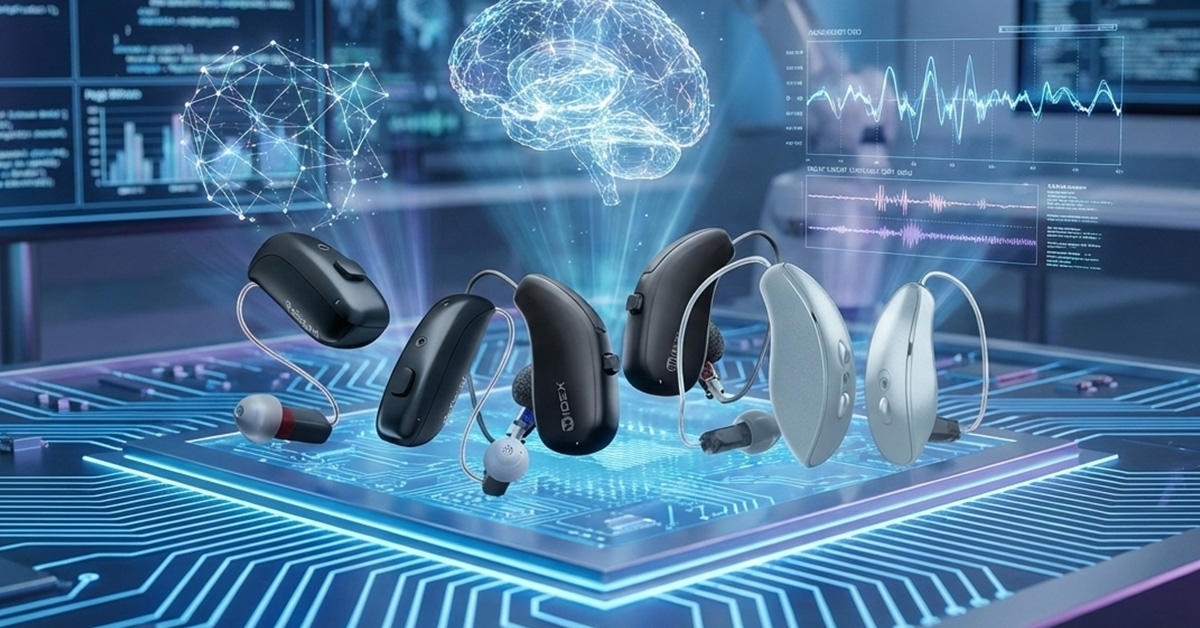
Artificial intelligence has been shaping hearing aid technology for longer than most people realise. What has changed is how capable it has become, and how noticeable the difference now feels in everyday life.
Modern premium hearing aids can analyse sound at remarkable speed, adapting continuously as environments change. That matters most in places where listening used to feel tiring: restaurants, meetings, family gatherings, and group conversations where voices overlap and attention shifts.
This article explains what AI actually means, how different manufacturers are using it, where it genuinely helps, and which AI hearing aids are worth considering in 2026.
Table of Contents:
What is an AI hearing aid?
Artificial intelligence refers to computer systems that recognise patterns, learn from data, and make decisions based on what they detect.
These advancements have led to the development of the latest AI hearing aids that enhance user experience and sound quality.
In hearing aids, AI is not about understanding language in a human sense. Its role is specific and practical: identifying speech, identifying competing sound, and adjusting processing so listening feels easier and more stable.
All modern digital hearing aids share the same core structure:
- Microphones capture sound
- A processor analyses and modifies that sound
- A receiver (speaker) delivers the result into the ear
An AI hearing aid uses more advanced processing at the analysis stage. Instead of relying only on fixed rules, it draws on machine-learning models trained on large volumes of real-world sound. Some systems prioritise this processing on the hearing aids themselves, while others support it through apps or cloud-based tools.
Watch: Our video on the Best Hearing Aids in 2026
How AI actually helps in real life
AI does not improve everything equally. Its value shows up most clearly in specific situations.

This is where AI earns its place. Machine-learning systems can recognise speech patterns and prioritise them over competing sound.
Some platforms adapt dynamically as speakers move or as attention shifts, helping conversations feel less fragmented.
Many people notice that listening simply feels easier, even if sound is not louder.
Some systems allow users to guide sound preferences through an app, which can inform future adjustments.
The different ways AI is used in hearing aids
“AI” is often used as a broad label, but the underlying approaches vary.
On-device intelligence
Processing happens directly on the hearing aids. This allows instant decisions about speech, noise and directionality. This approach tends to have the greatest impact on everyday listening performance.
App-guided personalisation
Here, AI helps refine sound based on user preferences. You compare options, choose what feels best, and the system learns from those choices. Widex is particularly strong in this area.
Data-driven optimisation without the AI label
Some manufacturers use machine-learning techniques behind the scenes without marketing their products as AI hearing aids. Unitron is a good example, focusing on reliability and consistency rather than headline technology.
The limits of AI in hearing aids
AI is powerful, but it is not a shortcut.
- It adds most value in complex environments
- It cannot compensate for poor fitting or incorrect programming
- Advanced processing can increase power demands
- Physical fit and acoustic setup still matter enormously
Hearing aids using AI worth considering in 2026
ReSound Vivia
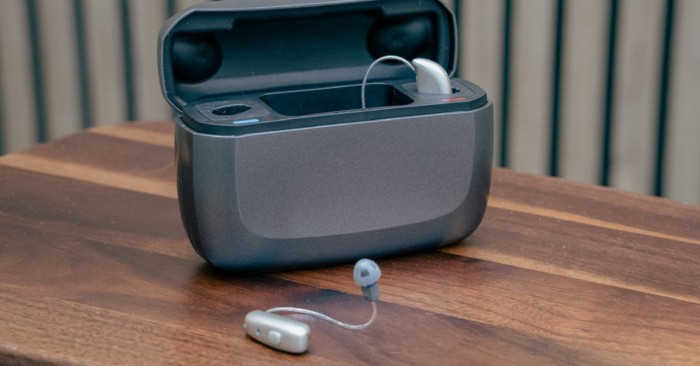
We find ReSound’s strength has long been balance. They tend to offer a comfortable first fit, and excel in complex environments especially in the 9-level technology. Vivia uses machine-learning-driven processing to support speech clarity while preserving a sense of space.
What it does well
- Maintains clarity without sounding over-processed
- Adapts smoothly as environments change
- Performs consistently in social settings
Alto view
Often one of our first choices for people who want strong performance without fuss.
Widex Allure
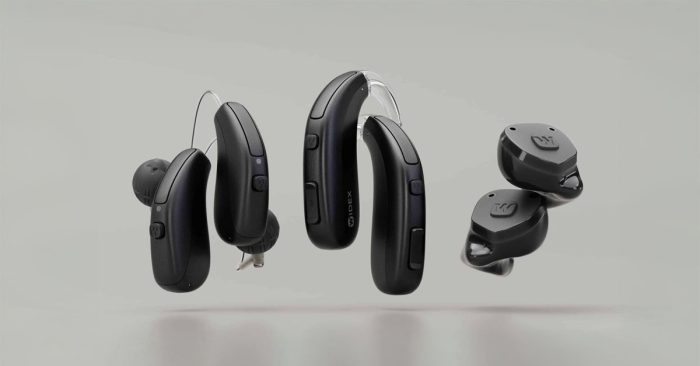
Widex prioritises sound quality first, using AI to refine and personalise using the accompanying AI Sound Assistant in the app .
What it does well
- Natural and comfortable listening over long days
- Personalisation without complexity
- Avoids harshness linked to heavy noise suppression
Alto view
A fantastic alternative to ReSound and sometimes the better option where long-term comfort matters most.
Unitron Smile
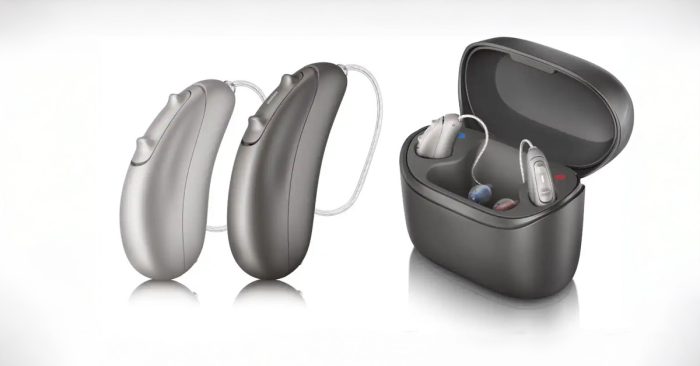
Not marketed as an AI hearing aid, but Unitron uses extensive real-world data logging to support automatic behaviour and evidence-based fine-tuning.
What it does well
- Stable, predictable performance
- Comfortable first fit
- Uses real usage data to inform adjustments
Alto view
Our third choice behind ReSound and Widex. It is based on exactly the same chip as Phonak Infinio but runs off slightly different software. Understated, but very effective for the right person.
Signia IX (Integrated Xperience)
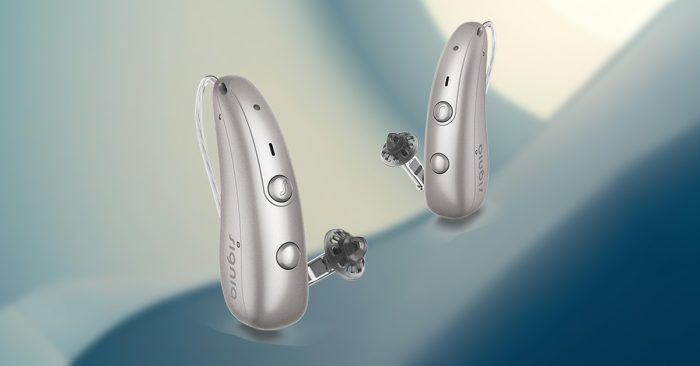
Designed around conversation dynamics rather than static environments.
What it does well
- Supports group conversations with shifting speakers
- Handles socially dynamic settings well
Alto view
Strong for social listening where conversation flow is the main challenge.
Starkey Omega AI
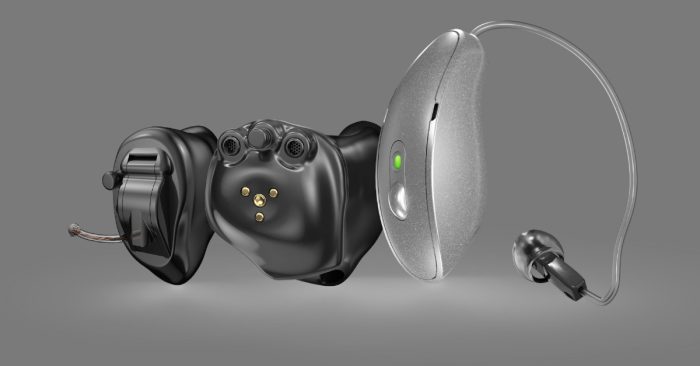
Combines advanced sound processing with health and lifestyle features.
What it does well
- Strong automatic sound management
- Feature-rich app ecosystem
Alto view
Powerful, but more complex than many people need.
Phonak Infinio Sphere

A performance-driven approach focused on speech clarity in demanding environments.
What it does well
- Strong speech clarity in difficult settings
- Broad device compatibility
Alto view
A specialist option that works best when carefully matched. The hearing aids themselves are quite a lot bigger than alternatives.
Who AI hearing aids are best for
AI-enabled hearing aids tend to offer the most value if:
- You spend time in busy social environments
- You feel mentally drained after conversations
- Speech clarity matters more than simple loudness
- You want hearing support that adapts automatically
Our perspective at Alto
We are outcome-led in practice. In clinic, we most often favour ReSound, Widex and Unitron because they deliver a reliable balance of performance, comfort and usability but we do have the options to provide any technology from across the market.
AI is a tool, not a solution on its own. When it is matched carefully and fitted properly, it can make listening feel noticeably easier where it matters most.
Where AI in hearing aids is heading next
AI in hearing aids is still in its early, practical phase. The biggest changes ahead are unlikely to be about flashy features and more about refinement.
Here’s what we expect to matter most over the next few years.
Smarter adaptation with less user input
Future systems will rely less on manual modes and app adjustments. Instead, hearing aids will continue learning how you listen across different situations and apply that knowledge automatically, without asking you to intervene.
Better handling of overlapping speech
One of the hardest challenges in hearing care remains separating multiple voices at once. AI models are improving at this, and future platforms are likely to focus even more on conversation dynamics rather than static sound environments.
More efficient processing
As AI models become more efficient, we expect improved performance without increases in size or battery demand. That will make advanced processing accessible to a wider range of hearing aid styles.
Deeper integration with clinical care
Rather than replacing clinicians, AI will increasingly support them. Usage data, listening trends and adaptive behaviour will help audiologists make more informed fine-tuning decisions over time.
The common thread is subtlety. The most effective AI will be the kind you rarely think about, but notice when it is missing.
FAQs
What makes a hearing aid “AI powered”?
It uses machine-learning-based processing to analyse sound in real time and adjust how speech and competing sound are handled.
Are all modern hearing aids using AI?
Many use some form of machine learning or automatic classification, even if they are not marketed as AI products.
Do AI hearing aids help in restaurants and social settings?
Yes. These are the situations where intelligent processing usually provides the greatest benefit.
Are AI hearing aids always better?
No. Correct fitting and appropriate product choice often matter more than the presence of AI features.
Do AI hearing aids learn from me personally?
Some systems use user feedback to guide adjustments. Others focus on automatic adaptation.
Do AI hearing aids record conversations?
No. Core sound processing happens locally on the hearing aids. Conversations are not recorded.
What matters more: AI features or professional fitting?
Professional fitting matters more. AI can enhance performance, but it cannot compensate for poor setup.
Final thoughts
AI has changed what modern hearing aids are capable of, particularly in complex listening environments. But it has not changed the fundamentals.
The right outcome still comes from matching the technology to the person, fitting it properly, and supporting it over time. AI works best when it is part of a considered hearing care plan, not a headline feature chosen in isolation.
If you are exploring AI hearing aids in 2026, focus less on the label and more on how the system behaves in the situations that matter most to you.
The Latest
Why Background Noise Makes Hearing So Much HarderHearing Loss and Hearing Aids: How to Choose the Right HelpThe Hearing Event: Education Before DecisionDamped ear hook: why there’s a mesh inside your hearing aidDiabetes and hearing loss: the overlooked link, early signs and when to get tested