


AI hearing aids use trained sound-processing systems to help you pick out speech in background noise. They can reduce competing sound around a voice, which can make a conversation easier to follow without turning everything up together.
How you use that help varies. Some aids change their processing automatically as the room gets busier. Others have an extra noise programme you switch on with a button or an app. That is worth knowing before you choose, especially if you prefer to leave your hearing aids alone once they are in your ears.
At Alto, we look at the conversations you are missing and how your current hearing aids cope, if you already wear them. A restaurant, a meeting across a long table and a conversation at home can need different kinds of help.
In this article
What does AI do in a hearing aid?
Manufacturers train machine-learning systems on examples of sound. The hearing aid then uses what was learned during development to recognise patterns and adjust its processing while you listen. A deep neural network, often shortened to DNN, is one type of machine-learning system used for this.
AI can help identify the listening environment, distinguish speech from competing sound or guide changes to your sound settings. These functions can work together in the same hearing aid.
Automatic adjustments and speech processing
An aid can recognise that speech and noise are present and change settings accordingly. A speech-processing system can also reduce noise within the sound being delivered to your ears. The first helps decide which settings to use; the second changes the sound itself.
Those adjustments do not, on their own, mean the hearing aid is learning your personal preferences. A system trained before you buy the aids can keep responding to new rooms without learning from you.
Adjustments you choose through an app
An app may help you compare settings and save the sound you prefer for a particular situation. Widex's Allure app, for example, has an AI Sound Assistant for creating personal programmes. Its AI Quick Assistant uses preference data from other users to suggest settings.
Saving a preferred sound setting and changing the way an aid processes speech are different functions. Our phone compatibility guide explains practical app controls alongside calls and streaming.
Can AI make a noisy conversation easier?

Speech and noise often reach the hearing aids together. Processing can help make a voice easier to hear, but overlapping voices, distance and reverberation still affect how much you understand.
Someone speaking beside you gives the hearing aids a different signal from someone at the far end of a meeting table. When distance is a large part of the problem, a remote microphone can pick up speech closer to the person speaking and send it to compatible aids.
At Alto, speech-in-noise testing helps us investigate difficulty following conversation. We consider the result alongside your audiogram and the situations you describe. Hearing the test tones well enough does not tell us how easily you follow several people talking at dinner.
Watch our video on the best hearing aids in 2026
Adam discusses the models covered when this video was recorded. The examples below include newer models introduced since that discussion.
AI hearing aids worth considering in 2026
The examples below show how the controls and sound processing differ. For the broader comparison of styles, connectivity and fitting, see our best hearing aids guide.
ReSound Sensia
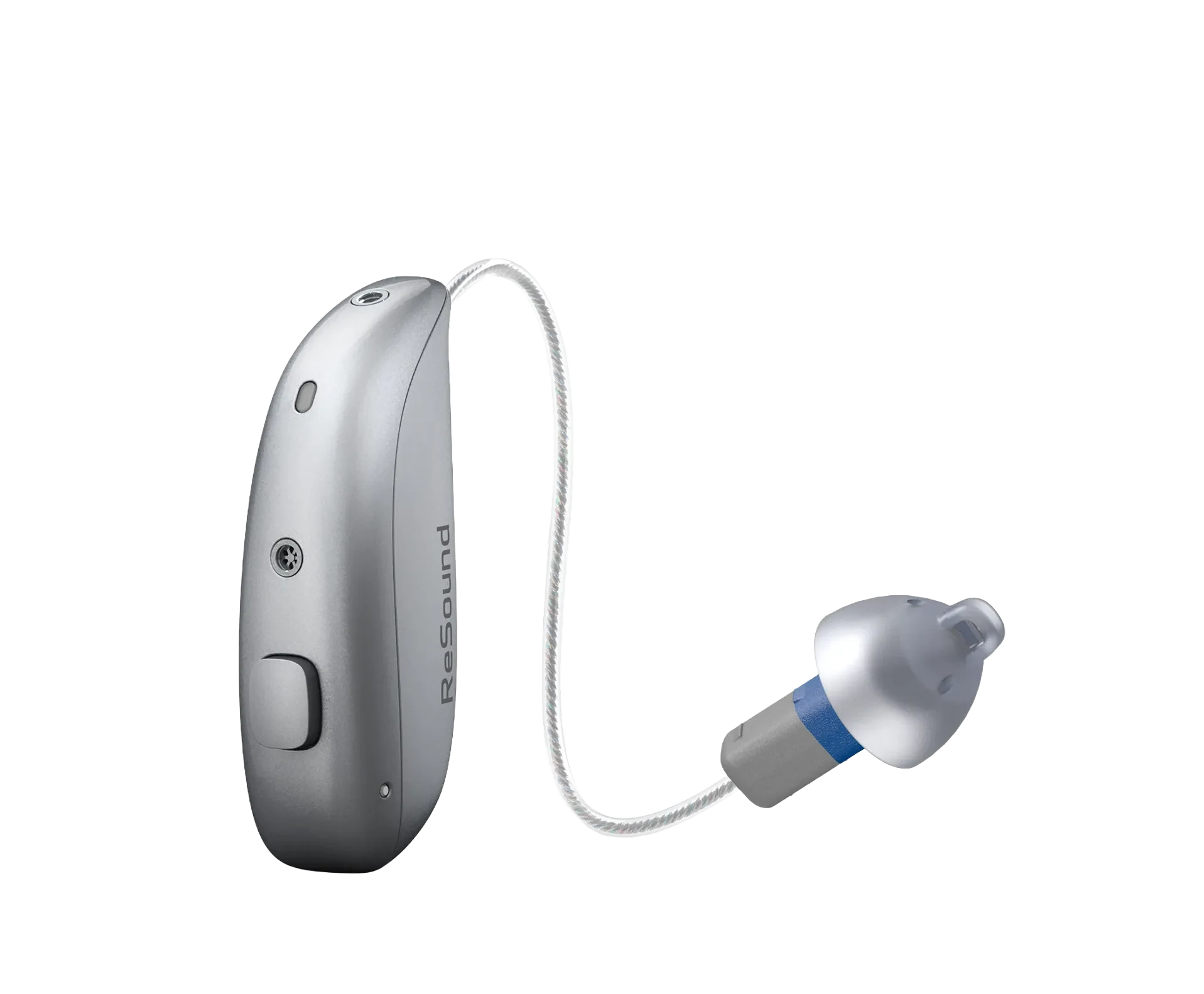
Sensia combines automatic recognition of the listening environment with directional microphones and DNN noise processing. ReSound calls the combined system Intelligent All-Around. The full system is available in the Sensia microRIE at technology level 9; it should not be assumed to be the same across every Sensia style and level.
For someone who would struggle to change programmes during a conversation, automatic activation is a practical point to consider. The exact model and technology level need to be clear in the recommendation.
Vivia is an earlier ReSound option. Our ReSound guide explains the differences between the ranges.
Widex Allure AI RIC with Clarity Boost
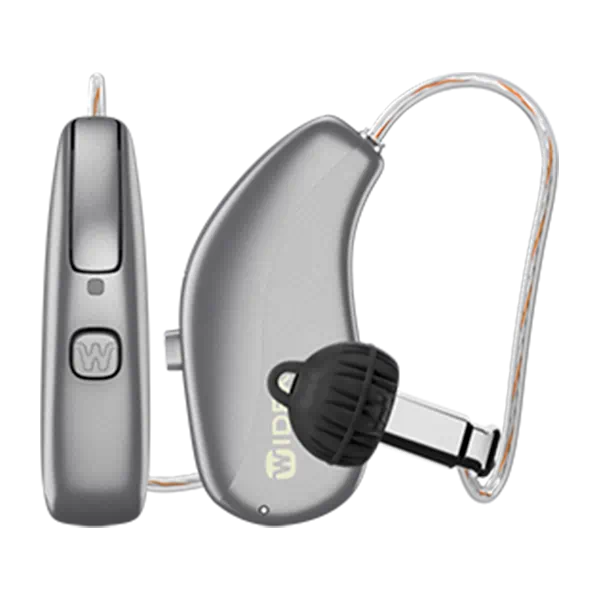
Allure AI RIC has an additional AI co-processor for Clarity Boost. You select this noise programme using the hearing-aid button or Allure app. The W1 chip handles everyday processing.
That gives the wearer a choice about when to use the extra noise processing. We would want to check that you can find and operate the control comfortably.
The original Allure and Allure AI RIC are different models. The Allure app's AI-assisted preference adjustments are also separate from Clarity Boost. Our Allure AI RIC first look explains the distinction and identifies which model our earlier fitting experience concerns.
Unitron Moxi S-RX

Moxi S-RX uses SoundSonic360 processing, a DEEPSONIC chip and automatic adjustments guided by Integra OS to help distinguish speech from noise.
You can also choose SpeechSonic and NoiseSonic programmes through the Remote Plus app. An AI Noise Filter slider adjusts the processing strength. That is useful to understand if you want some control over the sound in a busy place.
Those optional app controls are separate from the aid's automatic operation. Our Unitron guide covers the models and Remote Plus functions.
Signia Pure Charge&Go MaX
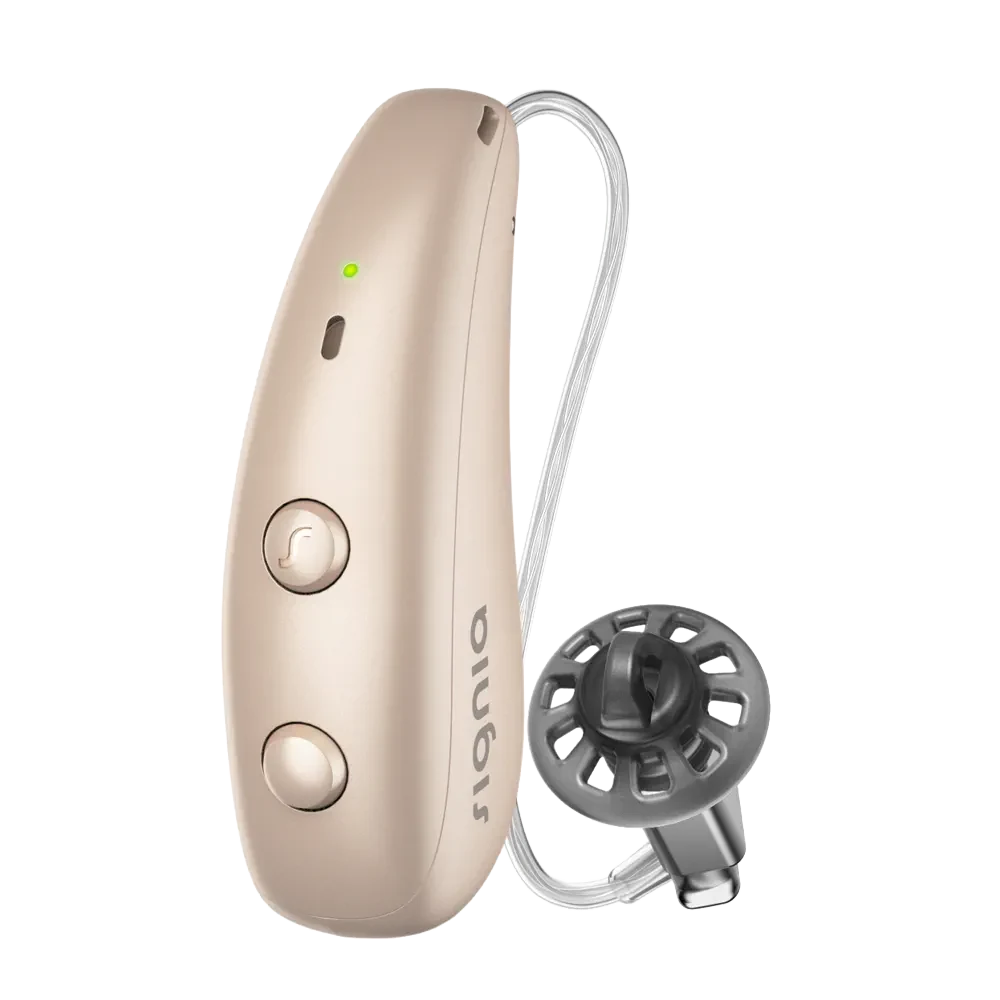
Pure Charge&Go MaX processes conversation, your own voice, surrounding sound and noise through separate functions. Its conversation processing tracks multiple speakers, while Own Voice Processing addresses how you hear yourself speaking.
Your own voice deserves attention during fitting, particularly if it sounds too loud or enclosed. We would review the earpiece and venting as well as the settings when that happens.
MaX is a newer platform than Integrated Xperience, usually shortened to IX. Our Signia guide explains both.
Starkey Omega AI+
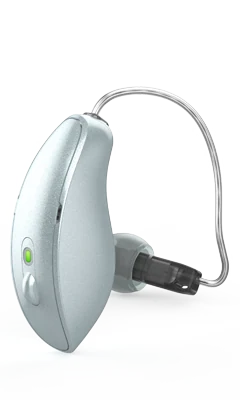
Omega AI+ uses an onboard DNN for sound processing and offers Enhanced Edge Mode for additional help in difficult listening situations.
Starkey also offers app and activity features. We would work through the controls you intend to use, rather than assume that having more functions makes the aid harder to manage.
Omega AI+ is a separate range from the original Omega AI. The full model name and style should appear on the quote. Our Starkey guide explains the choices.
Phonak Audéo EON Sphere
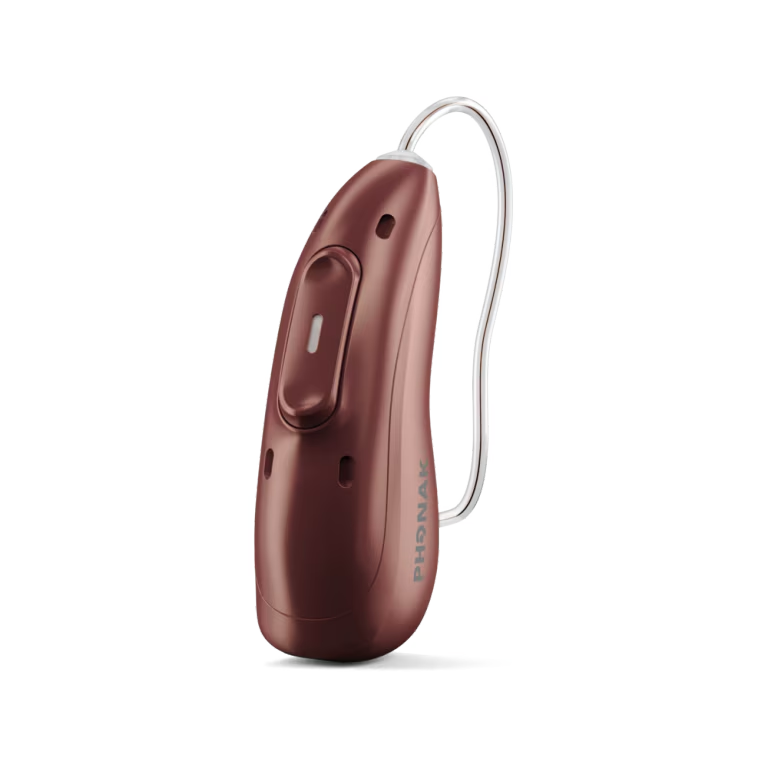
EON Sphere combines AutoSense OS AI 8.0, which adjusts to the listening environment, with Spheric Speech Clarity 3.0 processing for speech in noise. It uses a dedicated HYPERSONIC chip.
EON R is a different model. Both use automatic processing, but EON R does not include Sphere's additional speech-in-noise system. Our Phonak guide explains the range and fitting considerations.
How we choose and check the fitting at Alto
We need more detail than “background noise is difficult”. Is the problem following one person beside you, keeping up with people around a table or hearing someone from another room? Are words unclear even when the room is not busy? Those answers help us decide what to investigate and which features could address the difficulty.
The earpiece affects how amplified sound reaches your ear. A dome, custom earmould and its venting can change clarity, comfort and the sound of your own voice. We choose those alongside the hearing aid.
Real Ear Measurements measure the sound reaching your eardrum while you wear the aids. We use the results to adjust the fitting towards the prescription target, then review the sound and the conversations you still find difficult at follow-up.
Alto is independent. We have had considerable success fitting ReSound and Widex over the past few years, but our recommendation includes the earpiece, accessories and ongoing support as well as the brand. Two people with similar audiograms can need different fittings.
Do you need to replace your hearing aids to get AI?
An AI feature is worth considering when it could address a difficulty your current fitting leaves unresolved. Before recommending replacement, we would review how the aids are working, the settings and the earpieces.
If conversation has become harder, your hearing may also need reassessing. A useful pair of aids may need adjustment or an accessory rather than replacement. Our hearing aid upgrade guide covers that decision.
When comparing costs, check the exact model and technology level alongside fitting, verification and aftercare. Our hearing aid prices guide explains what a quote can include.
Talk to Alto about your hearing
Tell us which conversations have become difficult and whether you already wear hearing aids. We can discuss a Complete Hearing Assessment and explain the next step. Our hearing-aid treatment plans include the fitting and ongoing care around the recommendation.
Request a call backFrequently Asked Questions
What makes a hearing aid AI powered?
It uses a system trained on data to carry out a task such as recognising the listening environment or distinguishing speech from competing noise. “AI” can also describe tools in a companion app, so the function needs to be identified.
Are all modern hearing aids using AI?
Modern aids vary in how they use automatic classification and machine learning. The label alone does not tell you which functions are available, when they operate or whether you need to select them yourself.
What is Unitron Moxi S-RX?
It is a rechargeable receiver-in-canal hearing aid with SoundSonic360 speech-in-noise processing. It also offers optional SpeechSonic and NoiseSonic programmes with an AI Noise Filter control through Remote Plus.
Do AI hearing aids help in restaurants and social settings?
They can help make speech easier to pick out. Distance, overlapping voices and room acoustics still affect understanding. An assessment and fitting review can help establish whether a different programme, earpiece or remote microphone would help.
Are AI hearing aids always better?
An aid has to provide the amplification you need and sound comfortable in your ear. A particular AI function may help with an unresolved listening difficulty, but the label does not establish that one complete fitting will work better for you.
Do AI hearing aids learn from me personally?
Automatic adjustments do not necessarily involve personal learning. Some systems use a model trained during development. App tools may use your choices to suggest or save preferred settings. Those are separate functions.
Do AI hearing aids record conversations?
Processing speech and noise on a hearing aid does not require keeping a recording of the conversation. Optional app functions, such as voice assistants or transcription, can handle audio differently. Check the privacy information and permissions for the features you choose to use.
Which is more important: AI features or professional fitting?
The fitting establishes the amplification, earpiece and settings for your hearing. AI processing works within that fitting. We check the sound reaching your ear and review remaining difficulties before deciding whether different technology is needed.
What is Widex Clarity Boost?
It is an additional noise programme in Widex Allure AI RIC, powered by a dedicated AI co-processor. You select it with the hearing-aid button or Allure app. The original Allure is a different model.
Manufacturer information
- ReSound Sensia
- Original Allure distinguished from Allure AI RIC with Clarity Boost
- Keep Moxi S-RX, with precise processing and control explanation
- Signia Pure Charge&Go MaX
- Starkey Omega AI+, distinguished from original Omega AI
- Phonak Audéo EON Sphere
- Widex Allure app assistants and Clarity Boost technical paper.
- Starkey privacy policy, including optional audio recordings and transcripts.