
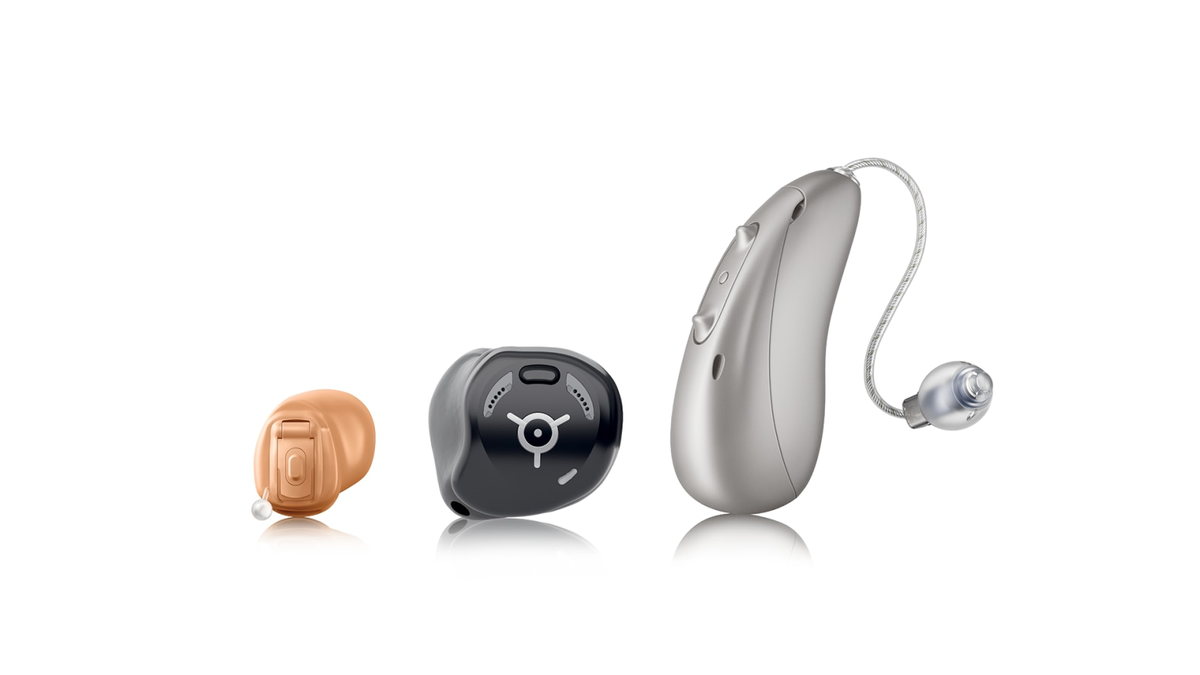
Moxi, Insera and Stride are names for different Unitron hearing-aid styles. Moxi sits behind the ear with a small speaker in the ear canal, Insera fits inside the ear, and Stride is a behind-the-ear format usually worn with an earmould. The style affects how you handle and wear the aid as well as how it sounds.
At Alto, we look at the conversations you find difficult and the practical details of wearing hearing aids. That includes your ears, eyesight, hand movement, phone and any hearing aids you have used before.
Choosing the hearing aid and earpiece
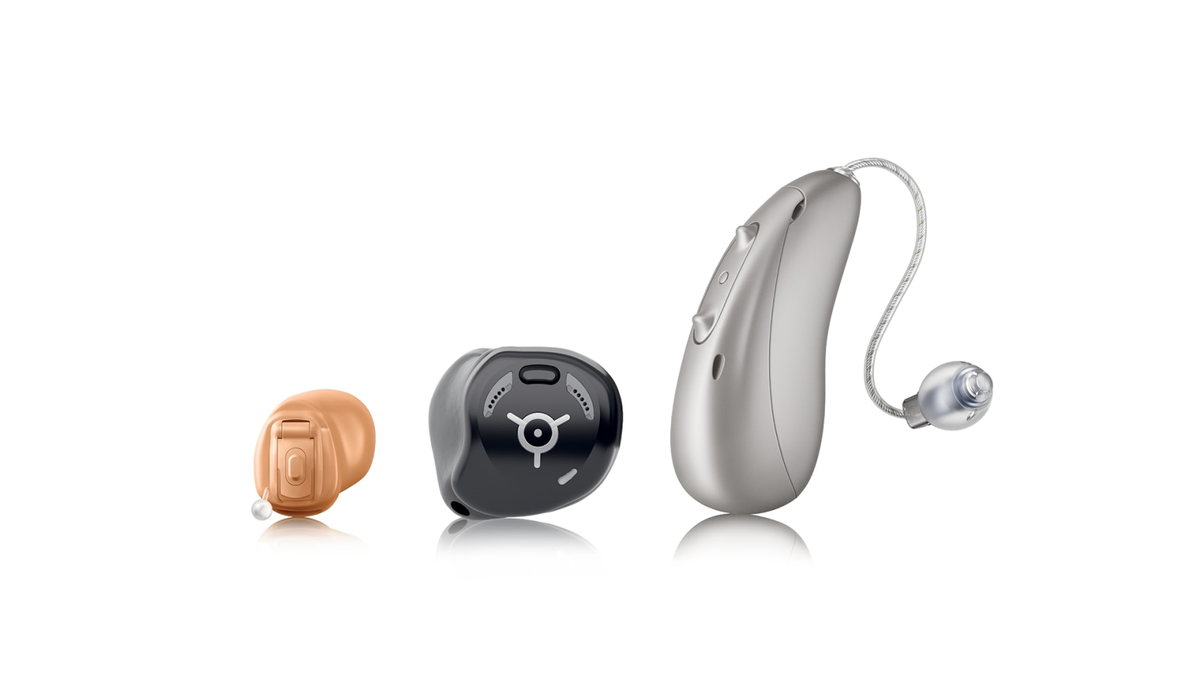
The hearing aid and earpiece need to work together. A dome or custom earmould affects comfort, the sound reaching your ear and how easily you can insert and clean the aid.
We discuss those choices alongside the settings, controls and accessories you will use. Our hearing-aid treatment plans explain the fitting, adjustments and ongoing care around that recommendation.
In this article
- Choosing the hearing aid and earpiece
- Are Unitron hearing aids good?
- What are Unitron hearing aids known for?
- Current Unitron hearing aid ranges
- Unitron Moxi S-RX
- Unitron Moxi S-R
- Unitron Insera custom hearing aids
- Unitron Vivante, Blu and power styles
- Unitron Remote Plus app, Bluetooth and accessories
- FLEX:UPGRADE and fitting tools
- Can Unitron hearing aids help in background noise?
- How much do Unitron hearing aids cost?
- How we check the fitting
- What happens after the first fitting?
- Comparing Unitron with other brands
- Frequently Asked Questions
Are Unitron hearing aids good?
Unitron is part of Sonova, which also owns Phonak. Its range includes several hearing-aid styles, connectivity options and technology levels.
A recommendation should explain the model and earpiece, the listening difficulties they are intended to address and how the fitting will be checked.
What are Unitron hearing aids known for?
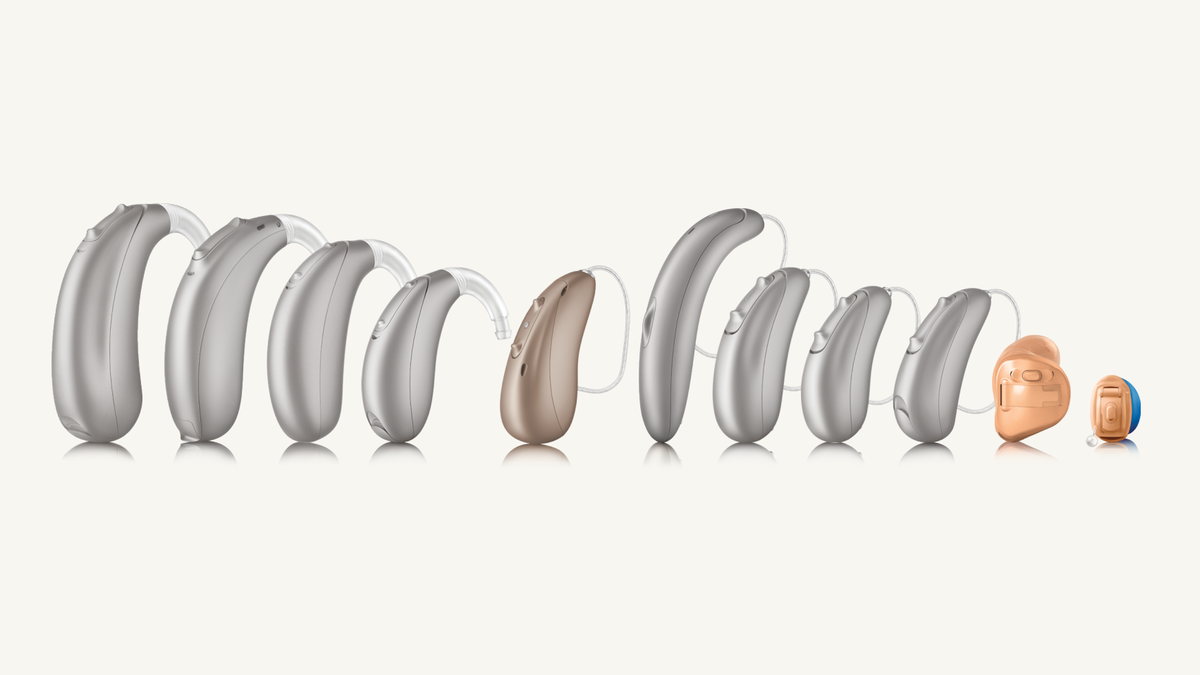
Unitron offers connected hearing aids with Bluetooth calling and streaming, automatic sound processing and controls through the Remote Plus app. Selected models also support a later increase in technology level through FLEX:UPGRADE.
The small non-wireless custom styles have different functions from the connected models. The full model name matters when comparing phone use, charging and accessories.
Current Unitron hearing aid ranges
Unitron’s UK catalogue, checked on 15 October 2026, lists Moxi S-RX, Moxi S-R, Insera S-R and Insera S-10 NW O alongside earlier Vivante and Blu models. Smile and Vivante are technology platforms; Moxi, Insera and Stride describe different styles.
| Model or family | Main distinction |
|---|---|
| Moxi S-RX | Rechargeable receiver-in-canal model with SoundSonic360 processing for speech in noise and Bluetooth connectivity. |
| Moxi S-R | Rechargeable receiver-in-canal model on the Smile platform, with automatic processing and Bluetooth connectivity. |
| Insera S-R | Rechargeable custom in-ear model with Bluetooth connectivity. Size depends on the ear and components needed. |
| Insera S-10 NW O | Small non-wireless custom model using a size 10 disposable battery. No Bluetooth streaming or Remote Plus control. |
| Moxi Vivante | Earlier platform with rechargeable V-R/V-RT and disposable-battery V-312 styles. |
| Stride Vivante | Behind-the-ear styles with different power and battery formats, including V-PR, V-SP and V-UP. |
A catalogue listing does not confirm stock at a particular clinic. A written quote should identify the full model and technology level, because features vary within a family.
Unitron Moxi S-RX
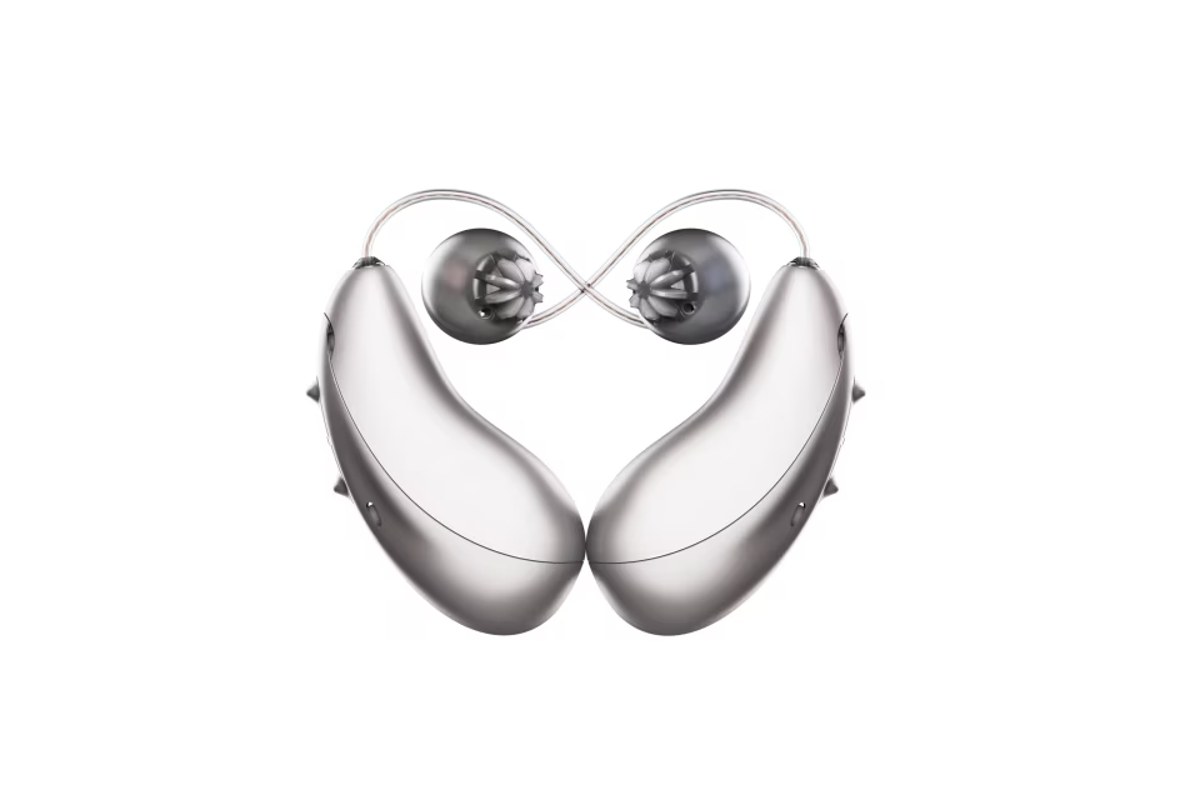
Moxi S-RX is a rechargeable receiver-in-canal hearing aid. The main body sits behind the ear, with a thin wire leading to the receiver in the ear canal.
Unitron describes SoundSonic360 as separating speech from background noise, including voices arriving from different directions. It uses a dedicated DEEPSONIC chip, guided by Integra OS.
S-RX also supports Bluetooth calls and streaming. Its Remote Plus options include SpeechSonic and NoiseSonic programmes and an AI Noise Filter slider for adjusting the processing strength.
Unitron Moxi S-R
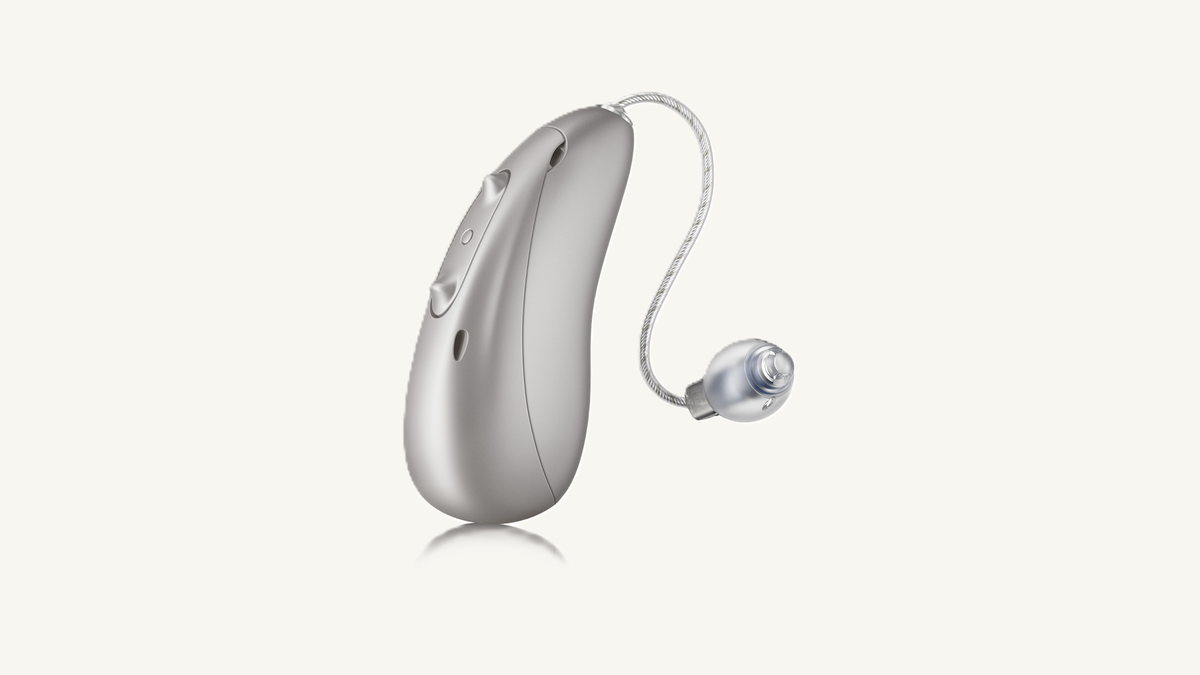
Moxi S-R is another rechargeable receiver-in-canal model on the Smile platform. Its automatic processing classifies eight listening environments and adjusts the settings as the surroundings change.
The range includes HyperFocus for conversation in loud noise and Speech Enhancement with Soft Speech. Available features depend on the technology level.
For a receiver-in-canal fitting, we choose the receiver strength, dome or custom earmould and venting to suit the ear and hearing loss. Our fitting and verification guide explains how we check the sound in your ear.
Unitron Insera custom hearing aids
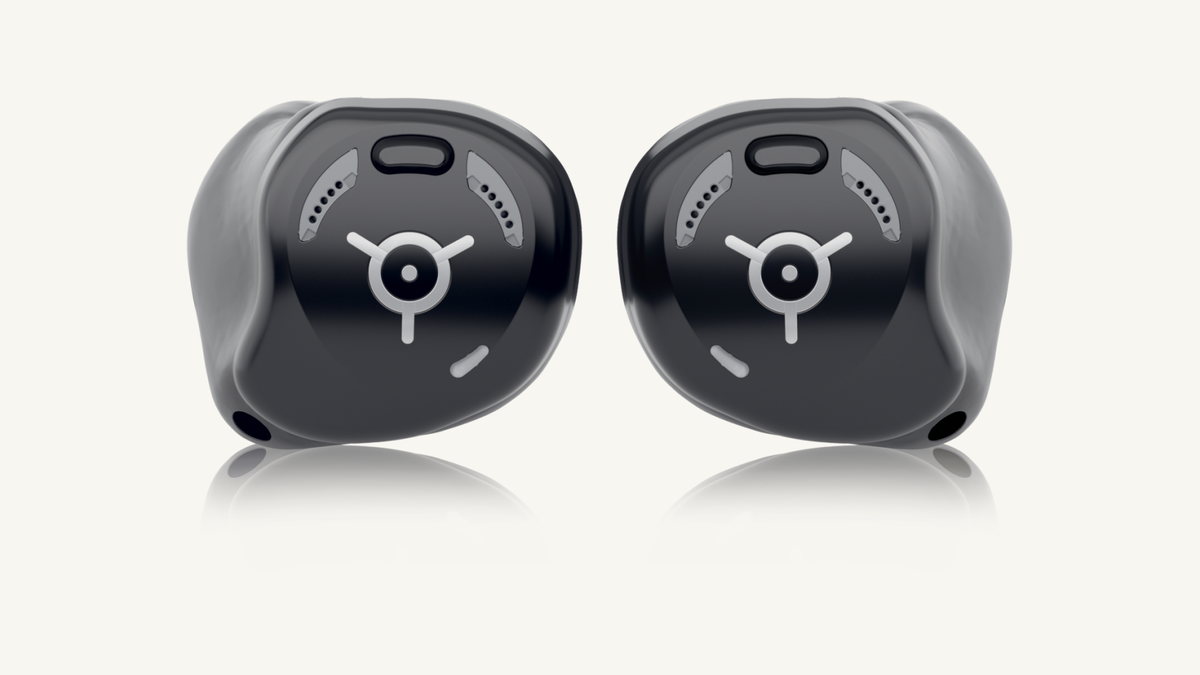
Insera S-R is a rechargeable custom hearing aid made to fit inside the individual ear. It supports Bluetooth calls and streaming and uses Smile automatic processing.
An in-ear aid leaves the space behind the ear clear for glasses, but its size depends on ear anatomy and the components needed. The shell, vent and receiver also affect comfort and sound quality.
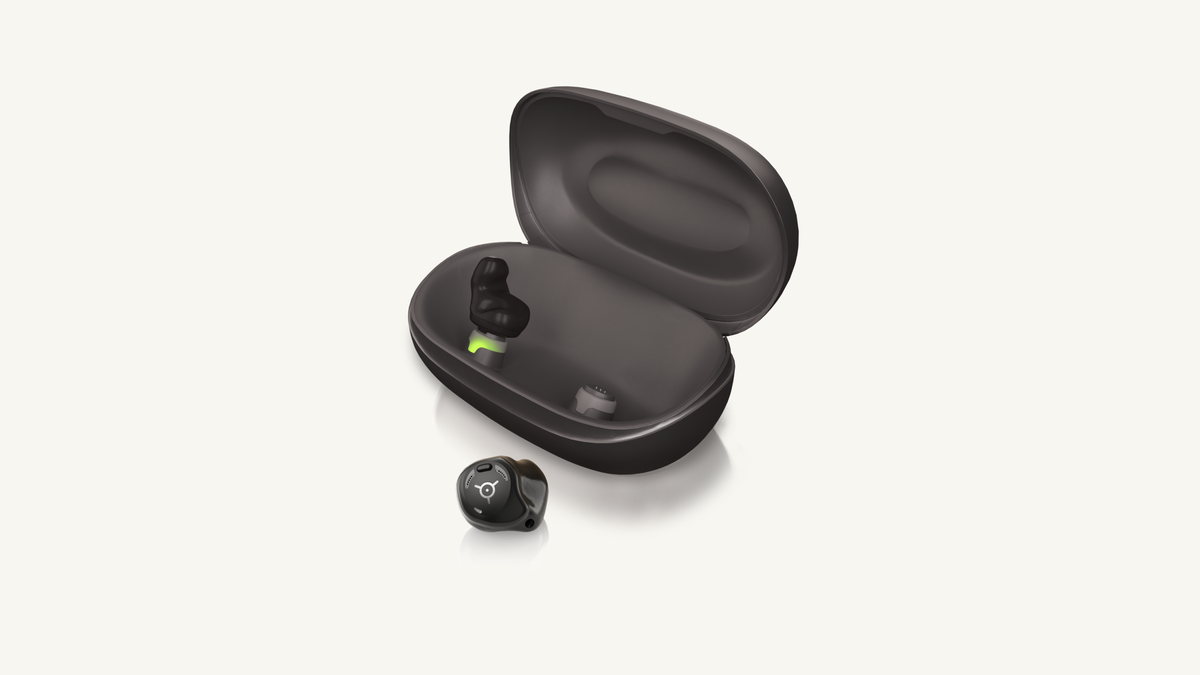
The smaller Insera S-10 NW O uses a size 10 disposable battery. It is non-wireless, so it does not provide Bluetooth streaming or Remote Plus app control. Choosing the smaller style means giving up those connections.
A custom fitting also needs to remain manageable to insert, remove and clean. Our custom hearing aids guide explains these practical differences.
Unitron Vivante, Blu and power styles
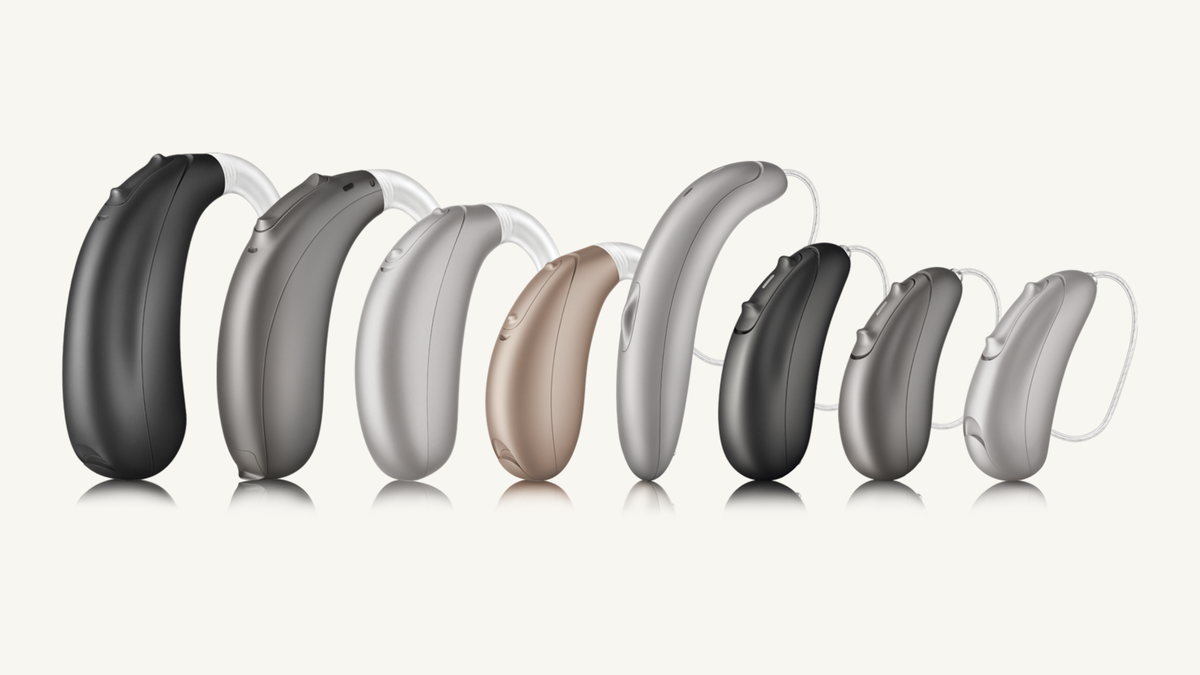
Vivante remains in Unitron’s UK catalogue. Its Moxi V-R and V-RT models are rechargeable; V-312 uses a disposable battery. Vivante includes automatic processing for different environments and a manual conversation-in-car programme, depending on the model and technology level.
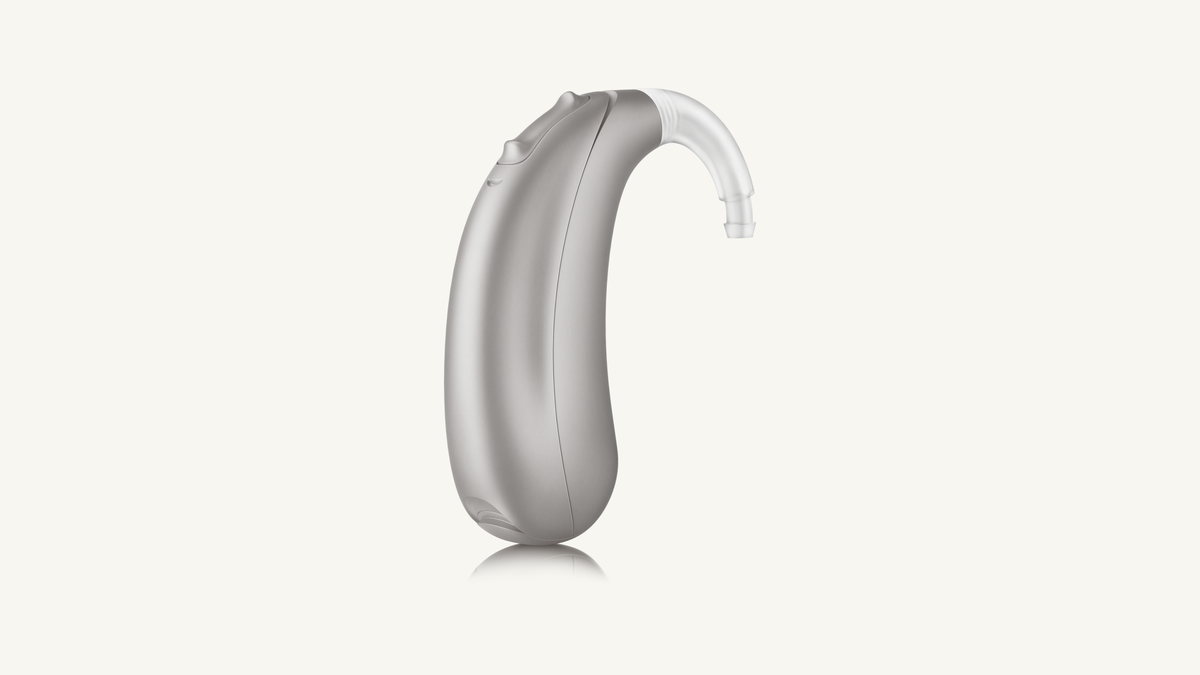
Stride is the behind-the-ear family. The Vivante V-PR is rechargeable, V-SP uses a size 13 battery and V-UP uses a size 675 battery. Power fittings need an appropriate earmould and enough amplification delivered comfortably, with feedback controlled.
Blu is an earlier platform also listed by Unitron. For an existing wearer, the discussion includes how the current aids are working, repair options and whether a different fitting would address an unmet need. A newer name alone is insufficient reason to replace a useful pair.
Unitron Remote Plus app, Bluetooth and accessories
The Remote Plus app provides volume, programme and sound controls for supported hearing aids and phones. Classic mode offers simpler controls; Advanced mode provides more options.

Features can include Coach tips, Ratings feedback, Find my Devices and Remote Adjust. Availability varies by hearing-aid model and setup. Remote Adjust lets a clinician send fine-tuning changes to the app where that service is arranged.
Many current Unitron hearing aids also offer universal Bluetooth connectivity. That can be helpful if you use phone calls, podcasts, video calls, TV streaming or multiple Bluetooth devices. But phone compatibility should still be checked before you choose, especially if streaming and hands-free calls matter to you.
App compatibility and Bluetooth calling are separate checks. The small non-wireless Insera models do not connect to Remote Plus or stream phone audio.
TV Connector sends television audio to compatible aids. PartnerMic and Roger microphones pick up speech closer to the speaker. Selected Unitron models support RogerDirect; the exact hearing aids, receiver setup and activation need checking. Our hearing-aid accessories guide explains the different connections.
FLEX:UPGRADE and fitting tools
FLEX:UPGRADE allows the technology level of supported Unitron hearing aids to be increased without replacing the physical aids. Eligibility and charges depend on the device and provider arrangements. It does not replace the processor or add hardware absent from the aid.
Unitron also provides Log It All, which records time spent in different listening environments, and Ratings, which lets wearers record feedback in the app. These records can help a clinician discuss daily use alongside the person’s own account of what remains difficult.
Can Unitron hearing aids help in background noise?

Hearing aids can improve access to speech in noise. Overlapping voices, distance and room acoustics still affect what you hear.
At Alto, speech-in-noise testing, including QuickSIN, helps us investigate the difficulties you describe. We consider those results alongside your audiogram, ear fitting and the situations where you need help.
For a meeting or conversation across a table, a remote microphone may help by picking up speech nearer the speaker. This addresses distance in a different way from changing the hearing-aid settings.
How much do Unitron hearing aids cost?
Unitron hearing aid prices vary with the model, technology level, style and care included. For private hearing aids in the UK, £1,500 to £6,000 per pair is a broad budgeting guide, with options outside that range. It is not a Unitron model-specific price list.
Our guide to hearing aid prices in the UK explains the wider budget and care-package differences.
Two quotes for the same model can include different care. The written quote should identify:
- The model and technology level, and whether the price covers one aid or a pair.
- The charger and accessories included or charged separately.
- The assessment, fitting and Real Ear Measurements.
- Follow-up appointments, adjustments and ongoing care.
- Warranty, repair arrangements and costs outside cover.
- Whether the quote is for devices alone or a hearing-aid treatment plan.
How we check the fitting
The size and shape of your ear canal affect the sound reaching your eardrum. Real Ear Measurements measure that sound while you wear the hearing aids. The audiologist then uses the measurements to adjust the fitting towards the prescription target.
We also review speech clarity, your own voice, comfort and daily handling. Those checks help us decide whether to change the settings, earpiece or accessories.
What happens after the first fitting?
Newly amplified sounds can feel unfamiliar at first. Follow-up appointments give us a chance to review sound quality, phone use and the conversations that are still difficult.
Our hearing aid adjustment guide explains what can change as you get used to hearing aids. Persistent discomfort or poor clarity deserves a review rather than waiting for a fixed adjustment period to end.
Comparing Unitron with other brands
Unitron and Phonak are separate Sonova brands with different model ranges and fitting software. Shared ownership does not establish identical processing or accessory compatibility.
The individual ReSound, Widex and Oticon guides cover their models and phone functions. Our hearing aid brands comparison explains the wider differences.
A useful comparison includes the full model names, earpieces and care packages. For someone who struggles to insert a small aid or relies on a particular phone connection, those details can narrow the choice before comparing sound-processing features.
Talk to Alto about your hearing
If conversations are becoming harder, we can discuss a Complete Hearing Assessment. Your audiologist will explain the results alongside the difficulties you have noticed and recommend hearing support and care that suit your needs.
Frequently Asked Questions
Are Unitron hearing aids good?
Unitron offers several hearing-aid styles and technology levels. An audiologist should explain why the recommended model suits your hearing, which earpiece it needs and how the fitting will be checked.
What is the newest Unitron hearing aid?
The UK catalogue checked on 15 October 2026 lists Moxi S-RX alongside Moxi S-R and the Insera Smile models. S-RX adds SoundSonic360 processing for speech in noise. A catalogue listing does not confirm clinic stock.
What is Unitron Moxi S-RX?
Moxi S-RX is a rechargeable receiver-in-canal hearing aid with Bluetooth connectivity. Unitron describes SoundSonic360 as separating speech from noise using a dedicated DEEPSONIC chip guided by Integra OS.
What is Unitron Moxi S-R?
Moxi S-R is a rechargeable receiver-in-canal hearing aid on the Smile platform. It sits behind the ear with a thin wire leading to the receiver in the ear canal and supports Bluetooth calls and streaming.
What is Unitron Insera S-R?
Insera S-R is a rechargeable custom in-ear hearing aid with Bluetooth connectivity. Its shell is made for the individual ear, with size influenced by ear anatomy and the components needed.
Are Unitron hearing aids rechargeable?
Moxi S-RX, Moxi S-R and Insera S-R are rechargeable. Insera S-10 NW O uses a size 10 disposable battery. Earlier families contain both rechargeable and disposable-battery models, so the exact model name is needed.
Do Unitron hearing aids connect to iPhone and Android?
Connected models support calls and audio streaming with compatible iPhone and Android phones. App control is a separate compatibility check. Small non-wireless Insera models do not provide Bluetooth streaming or Remote Plus control.
What is the Unitron Remote Plus app?
Remote Plus provides volume, programme and sound controls on supported devices. Other functions can include Coach tips, Ratings feedback, Find my Devices and Remote Adjust. Features vary by model and setup.
What is Unitron FLEX:UPGRADE?
FLEX:UPGRADE allows a supported Unitron hearing aid to move to a higher technology level without replacing the physical aid. Eligibility and charges depend on the device and provider arrangements. It does not add missing hardware.
Are Unitron hearing aids good for background noise?
Directional microphones and noise processing can help with speech in noise. The benefit also depends on hearing loss, the fitting, the room and the listening situation. A remote microphone may help when distance is part of the difficulty.
How much do Unitron hearing aids cost?
The price depends on the model, technology level, style and care included. A written quote should identify whether it covers one aid or a pair, the charger and accessories, fitting verification, follow-up, warranty and repair arrangements.
Are Unitron hearing aids better than Phonak?
Unitron and Phonak are separate Sonova brands with different model ranges and fitting software. Comparisons need the exact models, supported connections and care package. Shared ownership does not establish identical hearing aids.
Are Unitron hearing aids better than ReSound or Widex?
The models differ in their physical design, sound processing, phone connections and accessories. An assessment helps establish which features address your hearing needs and which style you can manage comfortably.
Do I need Real Ear Measurements with Unitron hearing aids?
Real Ear Measurements check the sound reaching your eardrum with the hearing aids in place. The audiologist can then adjust the fitting against the prescription target.