

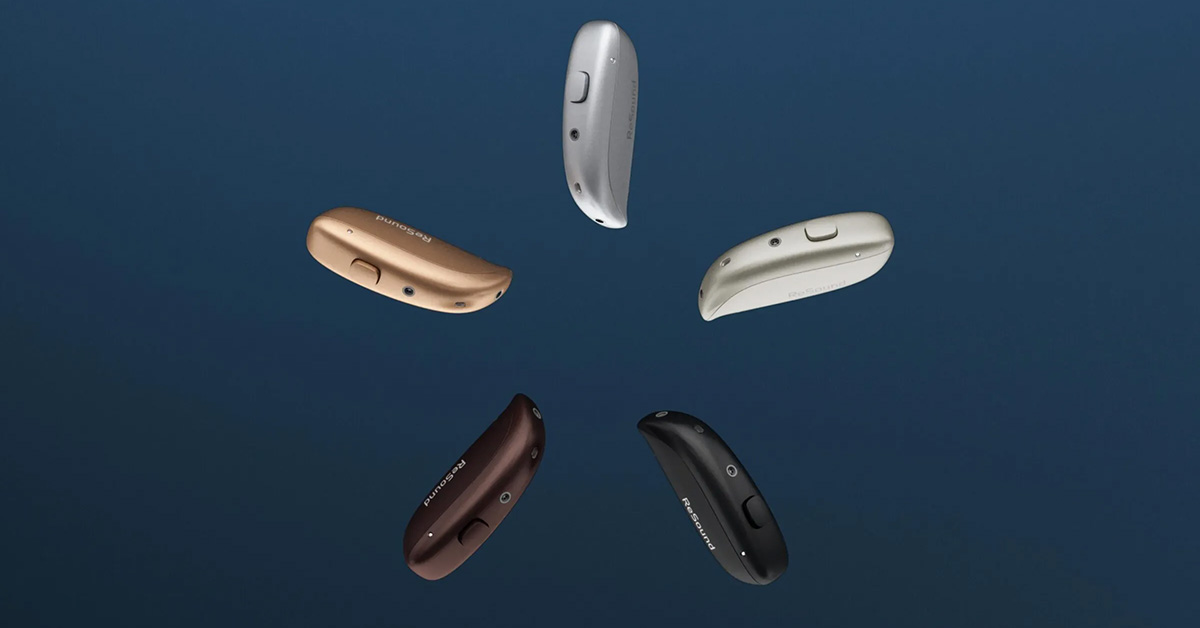
If you are comparing hearing aid brands, the frustrating thing is that they all sound convincing.
ReSound, Widex, Phonak, Oticon, Unitron, Signia and Starkey all make modern hearing aids. They all talk about clearer speech, background noise, rechargeable batteries, Bluetooth, apps and clever processing.
That does not make the claims worthless. It just means the brand name is only part of the decision.
The real question is more personal: what kind of hearing problem are we trying to solve, and which hearing aid is most likely to work in your ears, in your everyday life, with the right fitting and support?
This guide compares the main hearing aid brands in the UK without turning it into a league table. The aim is to help you understand which differences are worth paying attention to, and which ones are mostly marketing noise.
Start here
There is no single best hearing aid brand. The best choice depends on your hearing test, your speech-in-noise ability, your ear shape, your phone use, your handling needs, your sound preference, your budget and the quality of the fitting.
A brand can be worth considering without being the right choice. That is the difference a proper assessment is meant to clarify.
Jump to:
Hearing aid brands compared at a glance
This table is a starting point. Each manufacturer has different models, technology levels and fitting options, so the details still matter.
Each photo shows one model from the brand’s range.
| Brand | Where it can be useful | Deeper guide |
|---|---|---|
ReSound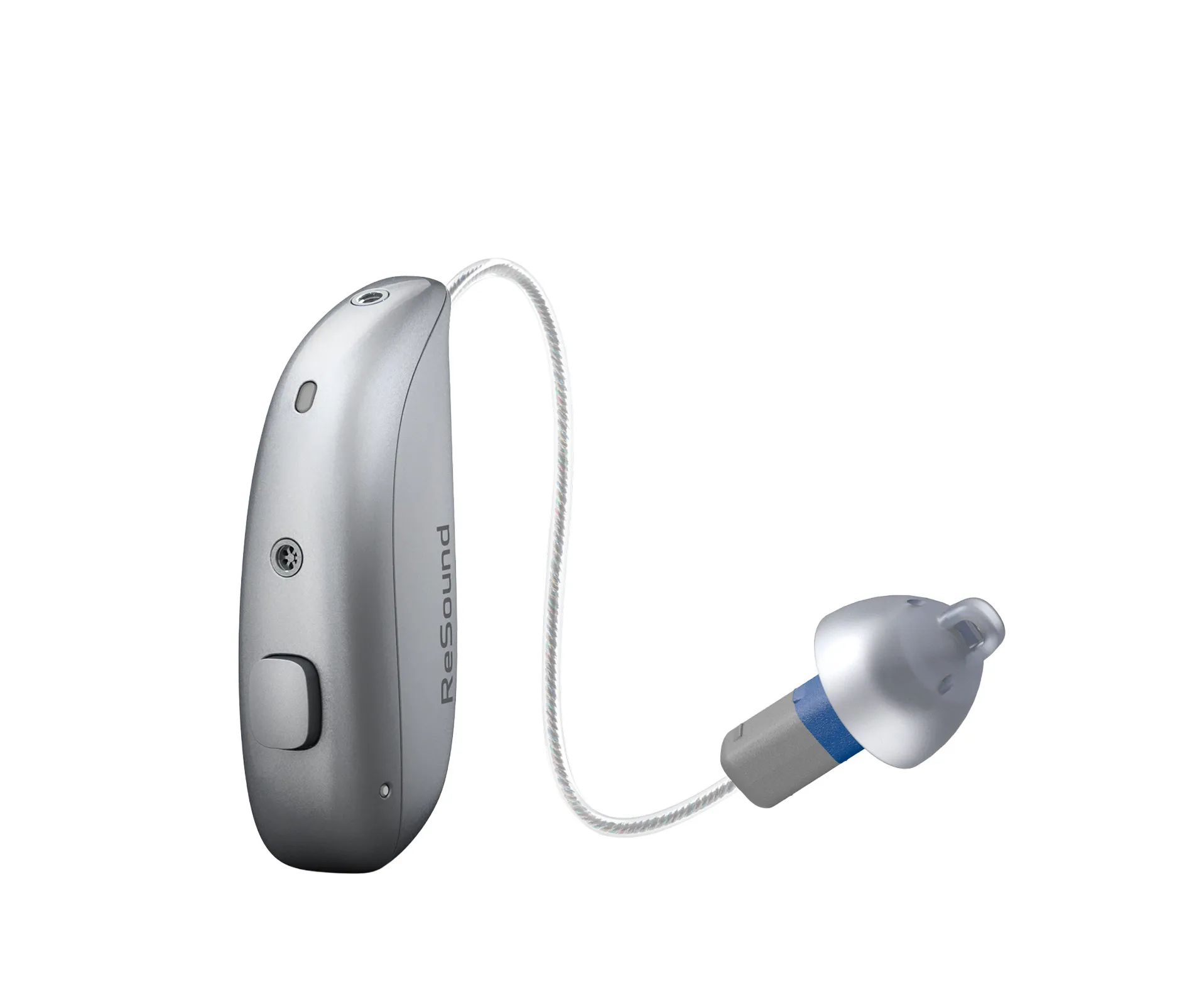 |
Connected hearing aids, app control, streaming, open sound feel and newer Bluetooth direction. | ReSound guide |
Widex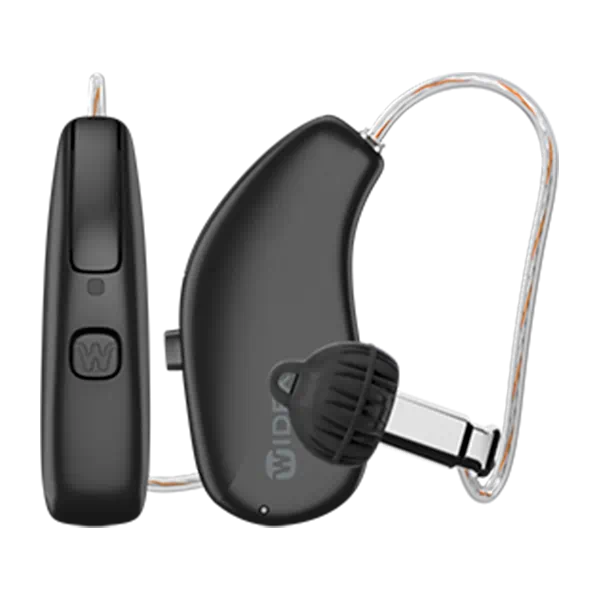 |
Natural sound quality, comfort, music and a less processed sound for some wearers. | Widex guide |
Phonak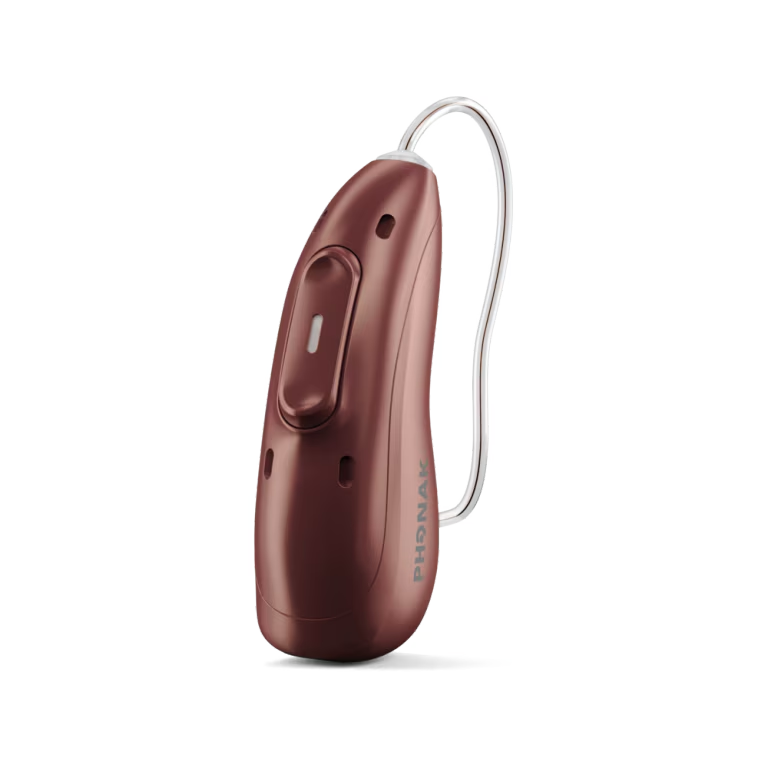 |
Bluetooth flexibility, Roger microphones, CROS options, power fittings and speech-in-noise technology. | Phonak guide |
Oticon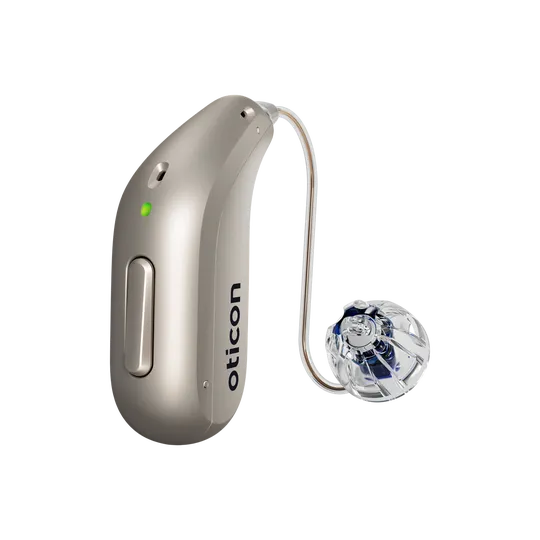 |
Access to a broader sound scene, BrainHearing positioning and premium sound processing. | Oticon guide |
Unitron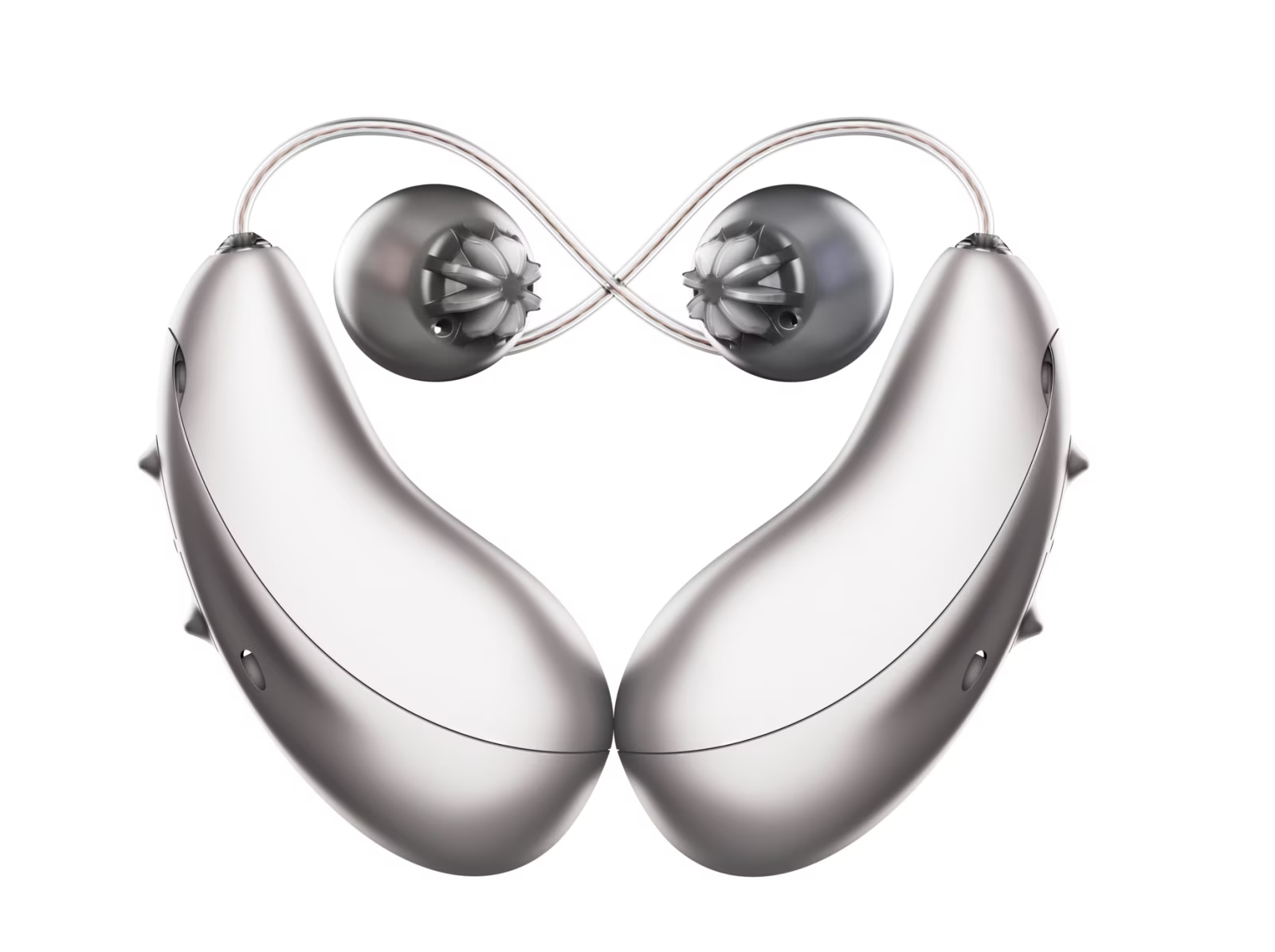 |
Flexible fitting, practical daily use, strong connectivity and a clear Sonova technology route. | Unitron guide |
Signia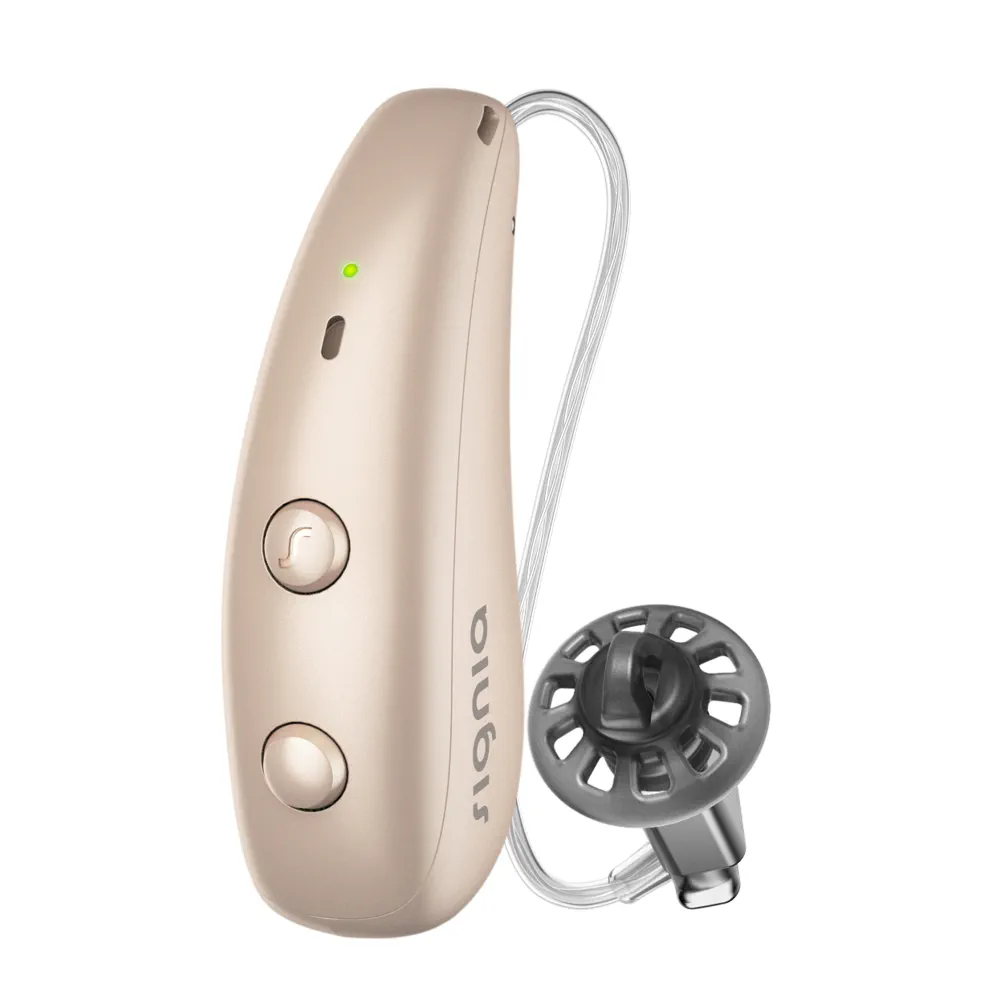 |
Conversation in noise, Own Voice Processing, distinctive designs and rechargeable in-ear options. | Signia guide |
Starkey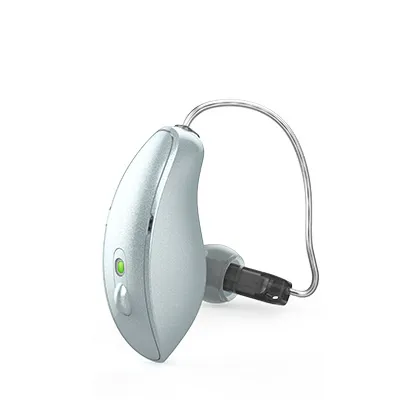 |
AI sound processing, battery life, durability, app features and custom in-ear styles. | Starkey guide |
Product images: manufacturers.
The table should not decide for you. It should help you see what each brand might bring to the conversation.
Why brand comparisons can be misleading
Most hearing aid comparisons begin with features: Bluetooth, rechargeable batteries, AI, background noise reduction, invisible styles, tinnitus support, apps, waterproofing and accessories.
Those features can be useful. They just do not tell the whole story.
Two people may both search for the best hearing aids for background noise. One may have mild high-frequency hearing loss and good speech-in-noise results. Another may have a more complex hearing loss, poorer speech-in-noise ability and years of avoiding restaurants. They may need different technology, different physical fittings and different expectations.
The same applies to small hearing aids. A discreet receiver-in-canal aid may work beautifully for one person. Another may need a custom in-the-ear hearing aid. Someone else may want the smallest option, but have ear canals, wax issues or hearing levels that make that style unsuitable.
Brand matters most when it is linked to a real fitting need.
Without that, it is easy to compare features that may not make much difference to your day-to-day hearing.
What we check before talking about brands
In clinic, the brand conversation usually comes after a few more basic questions.
1. What does the hearing test show?
The degree and shape of the hearing loss affects power, receiver choice, earmoulds, venting and whether a small or open fitting is realistic.
2. Where is hearing hardest?
Conversation at home, restaurants, meetings, television, phone calls and music place different demands on hearing aids.
3. What will your ears tolerate?
Ear canal shape, wax, sensitivity, feedback risk and comfort can narrow the options before brand preference comes into it.
4. How much technology do you want to manage?
Apps, Bluetooth and accessories can be valuable. For some people, simpler is better.
5. Can you handle the device easily?
Ask to practise putting the hearing aid in and taking it out. Check that you can use the charger or battery door, clean the aid and replace its wax filter if it has one. Try any buttons you expect to use, especially if your fingers are stiff or your eyesight is poor. Our guide to choosing hearing aids with arthritis or poor eyesight explains what to compare.
6. How will the fitting be checked?
Premium technology still needs proper fitting, Real Ear Measurements and follow-up.
Which brand strengths might matter?
The brand becomes more useful once it is connected to a real listening problem.
If background noise is the main issue
Several brands have strong noise-management technology. The starting point should be your speech-in-noise result and the places where you struggle most: restaurants, meetings, family meals, social events or work.
If sound quality matters most
Widex is often worth discussing, especially for new wearers or people who care about music and comfort. The fitting style and fine-tuning still have to be right.
If phone use is central
Check the hearing-aid model against your exact phone model and software version. App control, audio streaming and hands-free calls need separate checks. Ask to try the functions you need on your own phone. During a call, check which microphone picks up your voice and whether you need to hold the phone near your mouth.
If you want something discreet
Many brands offer small or custom styles. Ear shape, wax, ventilation, feedback risk and handling usually decide what is realistic.
If the hearing loss is more complex
Power fittings, earmoulds and CROS or BiCROS hearing aids need careful assessment. The priority is not cosmetic discretion first. It is audibility, stability and support.
If you want low-fuss hearing aids
Ask to compare a rechargeable model with one that uses disposable batteries. Try the charger and battery door yourself. Check how you would know the aids are charging, and which adjustments you can make without an app.
What brand pages cannot know about you
A manufacturer page can explain what a hearing aid is designed to do. It cannot know how that hearing aid will behave in your ear.
It cannot measure your hearing thresholds, your speech-in-noise ability, your ear canal shape, your dexterity or your response to amplified sound. It cannot know whether your own voice will feel comfortable, whether your ear will tolerate a particular dome or mould, or whether your phone will work reliably with a specific model.
It also cannot verify the fitting.
This is why Real Ear Measurements matter. The software gives a starting point. Verification checks what is actually reaching your eardrum while you are wearing the hearing aids.
That is often the difference between a hearing aid being technically good and a hearing aid being useful.
When the brand choice matters more
Sometimes the brand choice is genuinely important because the need is specific.
- Remote microphones and accessories: microphones, TV streamers and partner microphones vary between manufacturers. This can matter in meetings, lectures, restaurants and distance listening.
- CROS or BiCROS fittings: if one ear cannot be usefully aided, the system needs to route sound appropriately, and the better ear may also need amplification.
- Severe or profound hearing loss: power, feedback control, earmould quality and long-term stability matter more than size.
- Custom and invisible hearing aids: brands differ in shell design, wireless features, rechargeable options, microphone placement and available power.
- Phone compatibility: if calls, podcasts, video meetings, WhatsApp, TV audio or app control are part of daily life, your exact phone and hearing aid combination needs checking.
- Rechargeable behaviour: battery life, charger design, streaming drain and travel charging can affect daily reliability.
When fitting matters more than brand
Many hearing aid problems are blamed on the manufacturer when the problem is really the fitting.
Speech may still sound unclear. Background noise may feel too much. The wearer’s own voice may sound unnatural. The hearing aid may whistle, feel blocked, sound sharp, or sit uncomfortably in the ear.
Changing brand can help in some cases. Before doing that, it is worth asking whether the hearing aids were selected, physically fitted, verified and adjusted properly.
The best hearing aid is the one you can wear, manage and benefit from every day.
Good hearing care should include a proper assessment, a clear explanation of the recommendation, appropriate physical fitting, verification where suitable, fine-tuning, follow-up and realistic support through the hearing aid adjustment period.
Questions to ask before choosing
If you have been quoted for a particular brand, these questions will tell you more than the logo.
| If you are thinking… | Ask this instead | Why it matters |
|---|---|---|
| I struggle in restaurants | Have we measured my speech-in-noise ability? | A standard hearing test may not fully explain group listening difficulty. |
| I want the most natural sound | Which fitting style and sound approach is likely to feel comfortable? | Natural sound depends on the hearing aid, the ear and the programming. |
| I use my phone constantly | Can we test app control, audio streaming and hands-free calls on my phone with this exact hearing-aid model? | Phone model and software version affect compatibility. During a call, check which microphone picks up your voice. |
| I have arthritis or poor eyesight | Can I put it in, take it out and manage the charger or batteries? | Ask to try cleaning and any wax-filter changes. Check that you can see and use the controls. |
| I want invisible hearing aids | Are my ears and hearing loss suitable for that style? | Small styles can involve compromises in power, wireless features, handling and wax management. |
| I have severe hearing loss | Do I need a power aid and earmould? | Output, stability and feedback control may matter more than size. |
| I have been quoted elsewhere | Which exact model, technology level and care package is included? | Two quotes with the same brand name may not include the same level of support. |
| I am worried hearing aids will feel strange | How will we manage follow-up and adjustment? | The first fitting is not usually the final result. |
How Alto compares hearing aid brands
At Alto Hearing, we do not start with a manufacturer logo.
We start with the person: hearing test results, hearing history, ear health, speech-in-noise ability, listening priorities, physical fitting options, phone use, budget, confidence with technology and the level of support likely to be needed afterwards.
Once those details are clear, the brand conversation becomes much more useful.
If ReSound makes sense, we should be able to explain why. If Widex, Phonak, Oticon, Unitron, Signia, Starkey or another route makes more sense, the reasoning should be just as clear. A new launch should be judged against the same assessment results and fitting requirements as any other hearing aid.
The aim is not to choose the most famous hearing aid. The aim is to choose a hearing system that improves daily communication and can be supported properly over time.
You can also read more about Alto’s hearing aid treatment plans, hearing aid fitting and private hearing aid prices.
So, which hearing aid brand should you choose?
The right brand is the one that fits the hearing problem in front of us.
For some people, that may be ReSound. For others, Widex, Phonak, Oticon, Unitron, Signia or Starkey may be more appropriate. For others again, the brand may matter less than the fitting style, technology level, verification and follow-up.
If you are comparing hearing aid brands, the next sensible step is to understand your hearing properly and talk through the options with someone who can explain the trade-offs clearly.
Considering hearing aids?
During a Complete Hearing Assessment, we can discuss which hearing-aid options suit your hearing results, listening needs, phone use and handling requirements. Request a call back and we’ll help you arrange the appointment.
Frequently Asked Questions
What is the best hearing aid brand in the UK?
There is no single best hearing aid brand in the UK. ReSound, Widex, Phonak, Oticon, Unitron, Signia and Starkey all make good modern hearing aids. The best choice depends on your hearing loss, speech-in-noise ability, ear shape, phone use, handling needs, sound preference and fitting quality.
Which hearing aid brand is best for background noise?
Several brands have strong technology for background noise, including Phonak, ReSound, Oticon, Signia, Starkey, Widex and Unitron. The right option depends on your speech-in-noise results and the situations where you struggle. No hearing aid removes background noise completely.
Which hearing aid brand sounds most natural?
Widex is often discussed for natural sound quality, especially for new wearers, music and comfort. Natural sound also depends on the physical fitting, programming, ear acoustics and follow-up adjustments.
Are newer hearing aids always a better choice?
No. Ask which change would help with your hearing, phone use or handling, and how the exact model compares with suitable alternatives. Our guide to deciding whether to upgrade explains what to check before replacing aids you already wear.
Which hearing aid brand has the best Bluetooth?
Phonak is often known for broad Bluetooth flexibility, while ReSound, Signia, Starkey, Oticon, Widex and Unitron all offer connected hearing aid options. The best choice depends on your exact phone, streaming needs and whether you use features such as hands-free calls, app control or TV audio.
Which brand is best for severe hearing loss?
Severe or profound hearing loss often needs a powerful behind-the-ear hearing aid, a suitable earmould and careful fitting. Phonak, ReSound, Unitron, Oticon, Signia and other manufacturers all have power options. The hearing test and fitting requirements matter more than brand fame.
Which brand is best for invisible hearing aids?
Several manufacturers offer discreet or custom in-the-ear options, including Signia, Starkey, Phonak, ReSound, Widex, Oticon and Unitron. The smallest option is not always the best option. Ear canal shape, wax, ventilation, wireless features and hearing loss all affect suitability.
Is Unitron as good as better-known hearing aid brands?
Unitron can be a very good hearing aid option. It should not be dismissed simply because some people know Phonak, ReSound or Oticon better. Unitron offers modern technology, strong everyday usability, good connectivity and useful fitting flexibility. Suitability still depends on the individual case.
Are Phonak and Unitron related?
Yes. Phonak and Unitron are both part of Sonova. They are separate hearing aid brands with different software, fitting approaches and product positioning, but they share wider group expertise and technology heritage.
Are ReSound and Widex better than Oticon?
Not necessarily. ReSound, Widex and Oticon have different strengths. ReSound is often discussed for connected hearing aids, Widex for natural sound, and Oticon for access to a broader sound scene. The better choice depends on the person wearing the hearing aids.
Should I ask for a hearing aid brand by name?
It is fine to ask about a brand if you have been researching it. It is better not to make the decision before your hearing has been assessed. A good audiologist should explain whether that brand is suitable for your hearing loss, ears and lifestyle.
Does fitting matter more than brand?
Very often, yes. Brand matters, but fitting quality is critical. Real Ear Measurements, physical comfort, receiver or earmould choice, programming, follow-up and adjustment support can make the difference between a hearing aid that works and one that disappoints.
Can Alto Hearing compare different hearing aid brands?
Yes. Alto Hearing can compare appropriate hearing aid brands after a proper assessment, including your hearing test results, speech-in-noise ability, listening goals, phone use, fitting needs and preferences. The recommendation should be based on you, not on the logo.