

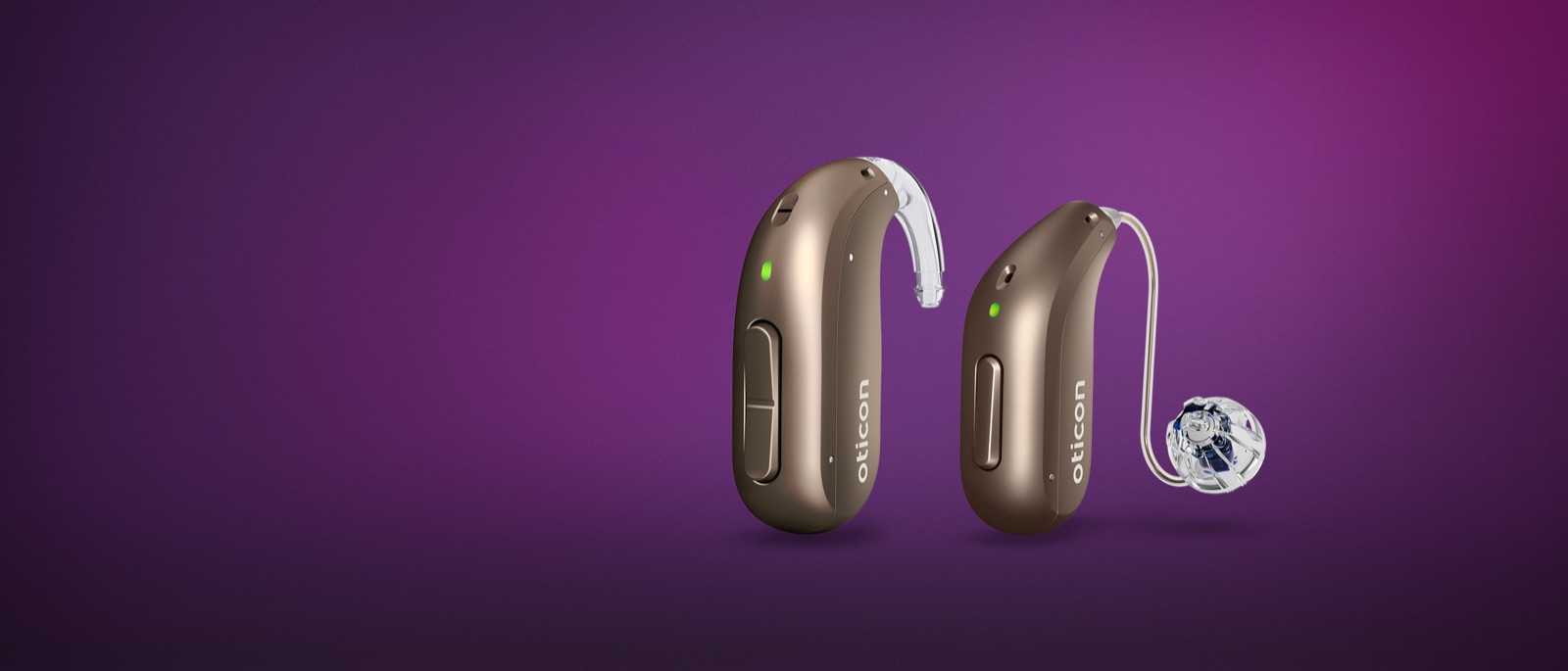
Oticon Reveal is the newest adult receiver-in-canal range on Oticon’s UK website. Intent remains listed alongside it. Zeal is a rechargeable in-ear device, while Own SI and Own are custom-made ranges with different styles and phone features.
If you already wear Oticon hearing aids or have been quoted for a pair, the model name alone will not tell you everything. The earpiece, available controls and connection to your phone can differ between styles within a range.
In this article
Oticon hearing aids at Alto
At Alto, our audiologists choose from different manufacturers. We consider the hearing aid, the dome or custom earpiece, any accessories and the support you will need afterwards as part of your hearing-aid treatment plan.
We do not currently provide Oticon Zeal. Our separate article about Oticon Zeal records that decision.
Are Oticon hearing aids good?
Oticon is a Danish hearing-aid manufacturer and part of Demant. It makes hearing aids for several different fitting needs, from small in-ear devices to powerful behind-the-ear models.
For example, Own SI’s small custom styles use disposable batteries and do not offer Bluetooth streaming. Zeal is rechargeable and supports wireless audio, but it has an instant-fit design rather than a shell made from an impression of your ear. Those differences affect what you can do with the aids and how they fit.
What are Oticon hearing aids known for?
BrainHearing is Oticon’s name for its approach to sound processing. The company aims to make speech audible while retaining access to surrounding sounds. Reveal uses separate processing for speech and environmental sounds, which Oticon calls Speech AI and Context AI. Intent uses sound analysis alongside sensors that detect head and body movement.
These are descriptions of how Oticon designs its products. They do not tell us how well you will follow a conversation in a restaurant, or whether you will prefer the sound to another hearing aid.

Current Oticon hearing aid ranges
The table below summarises the main adult ranges listed on Oticon’s UK website, checked on 12 October 2026. A listing does not confirm stock at a particular clinic or availability through the NHS.
| Range | Styles listed in the UK | Main distinction |
|---|---|---|
| Reveal | Rechargeable miniRITE R, with the receiver in the ear canal | Newest adult receiver-in-canal range; Oticon’s Dual AI processing |
| Intent | Rechargeable miniRITE and miniBTE R | Earlier premium generation, still listed; receiver in the canal (miniRITE) or sound tube to the earpiece (miniBTE) |
| Zeal | Rechargeable nxtCIC R in-ear device | Instant-fit rather than custom-made; supports Bluetooth LE Audio |
| Own SI | Custom invisible-in-canal (IIC) and completely-in-canal (CIC) | Size 10 disposable batteries; no Bluetooth streaming |
| Own | Custom IIC, CIC, in-the-canal and half- or full-shell styles | Larger styles have optional Bluetooth or telecoil configurations |
| Xceed | Super Power and Ultra Power behind-the-ear devices | Power fittings for severe-to-profound hearing loss |
| CROS RE, CROS PX and CROS | Transmitters worn with a compatible hearing aid on the other ear | Route sound from the poorer side; the transmitter and receiving aid must be a compatible pair |
| Real and More | Receiver-in-canal and miniBTE styles | Older generations still listed in the UK catalogue |
| Zircon | Receiver-in-canal and miniBTE styles | Another listed range, with rechargeable and disposable-battery versions |
Older Opn and Opn S models also remain in the catalogue. Oticon’s children’s ranges include Play SI, Play PX, Opn Play and Xceed Play. Those require a separate paediatric assessment and are outside this adult guide.
You may also see Oticon Verit in US searches. It is not listed in the UK catalogue checked for this review. Its US announcement should not be taken as confirmation of UK availability.
Oticon Reveal
Reveal is a rechargeable receiver-in-canal hearing aid. The main body sits behind the ear, with a thin wire leading to the receiver in the ear canal. Oticon lists it in the miniRITE R style.
Oticon’s Dual AI system processes speech and surrounding sounds separately. The stated aim is to keep speech clear while preserving awareness of the sounds around you. Reveal supports Bluetooth LE Audio and Auracast reception.
For someone already using Intent, we would first establish what they are struggling with and check the existing fitting before discussing a change of hearing aids.
Oticon Intent
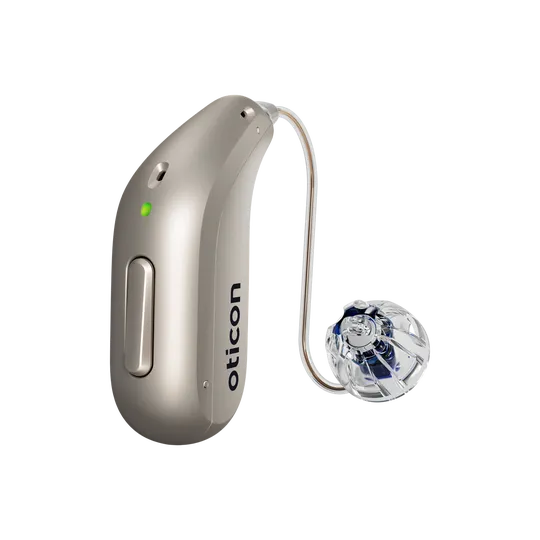
Intent remains listed in the UK in rechargeable miniRITE and miniBTE R styles. It is an earlier premium generation than Reveal.
Its 4D user-intent sensors use information about head and body movement alongside the sounds around you. Oticon uses this information to adjust how the aids process the listening environment.
In a miniRITE fitting, the receiver sits in the ear canal. In a miniBTE fitting, sound travels from the device behind the ear through tubing to the earpiece. That physical difference affects the fitting and handling even when both devices carry the Intent name.
Oticon Zeal
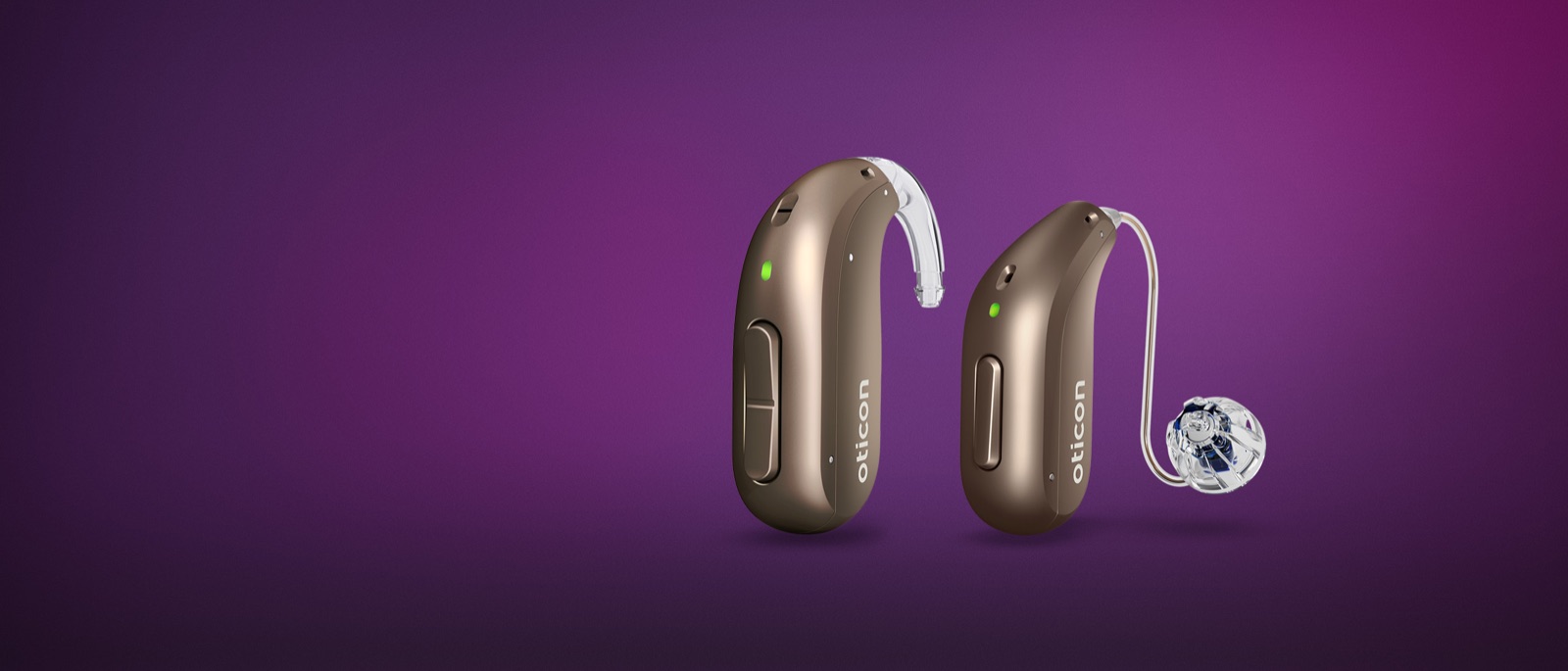
Zeal is a rechargeable in-ear hearing aid in Oticon’s nxtCIC R style. It is fitted using a standard device and earpiece rather than a custom shell made from an ear impression. It supports Bluetooth LE Audio and Auracast reception.
Small in-ear devices still need enough room in the ear canal and a suitable acoustic fit. We consider wax, ventilation and how easily someone can insert, remove and clean the device when assessing this type of fitting.
Alto does not currently provide Zeal.

Oticon Own SI and Own
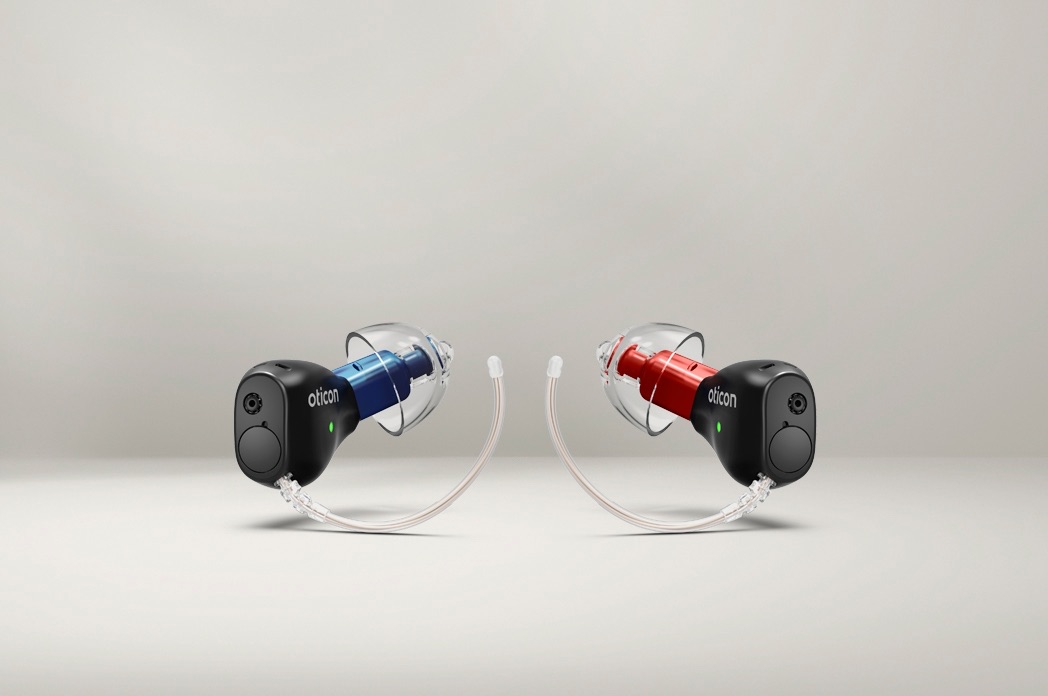
Own SI is available in two small custom styles: invisible-in-canal and completely-in-canal. Both use size 10 disposable batteries. They do not offer Bluetooth streaming.
The larger in-the-canal, half-shell and full-shell devices belong to the separate Own range. Selected configurations offer Bluetooth connectivity or a telecoil. A quote for “Oticon Own” should specify the style and configuration, particularly if you want to stream phone calls or use a hearing loop.
Custom hearing aids are made to fit the shape of your ear. Some people prefer them because of glasses, headwear or discomfort with a device behind the ear. Ear canal size, ventilation, wax and the amplification needed can limit how small the shell can be.
Our custom in-the-ear hearing aids guide explains the fitting in more detail.
Oticon Real, More and older Oticon ranges
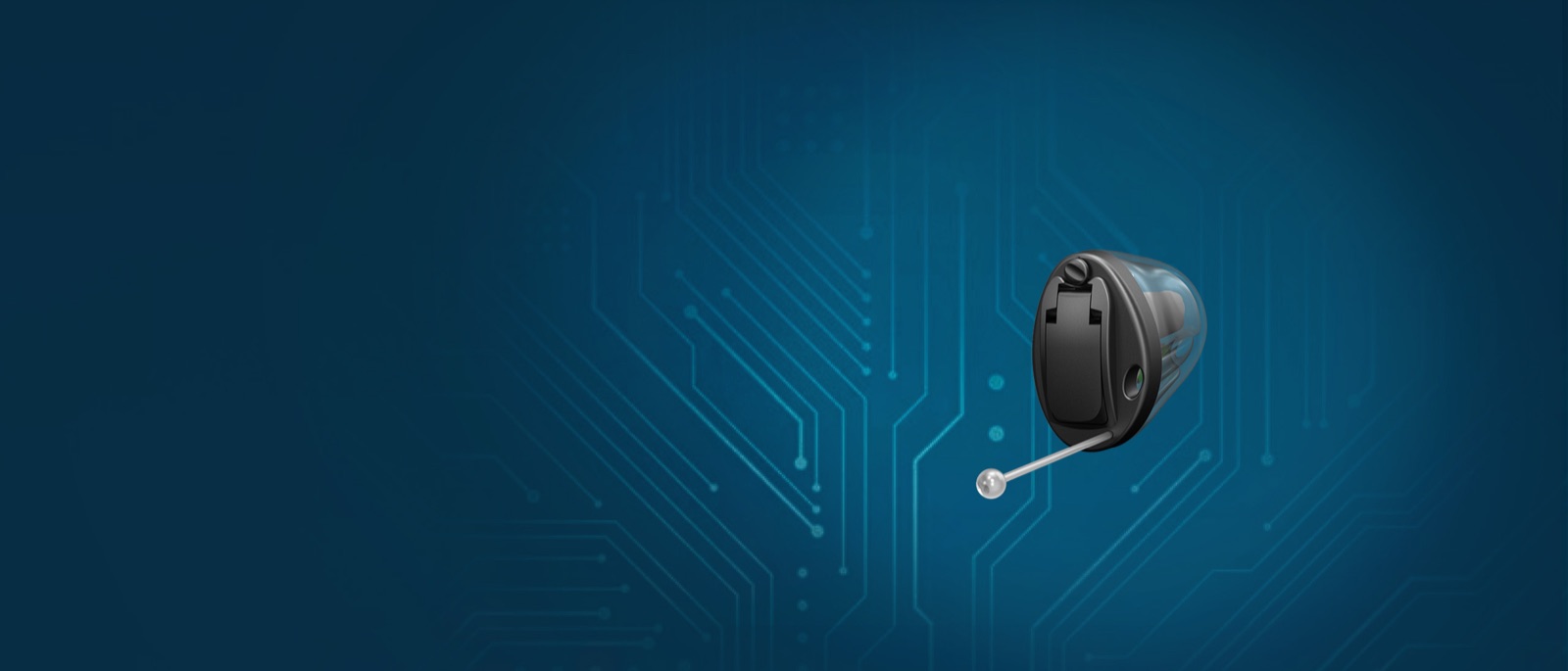
Real and More are older generations, but both remain listed on Oticon’s UK website. A current catalogue listing does not make them the latest technology.
If your existing aids are comfortable and you hear well with them, a new launch alone is not a reason to replace them. If you are being quoted for a new pair from an older range, the clinician should explain the choice, including any differences in features, support and price.
Oticon Xceed
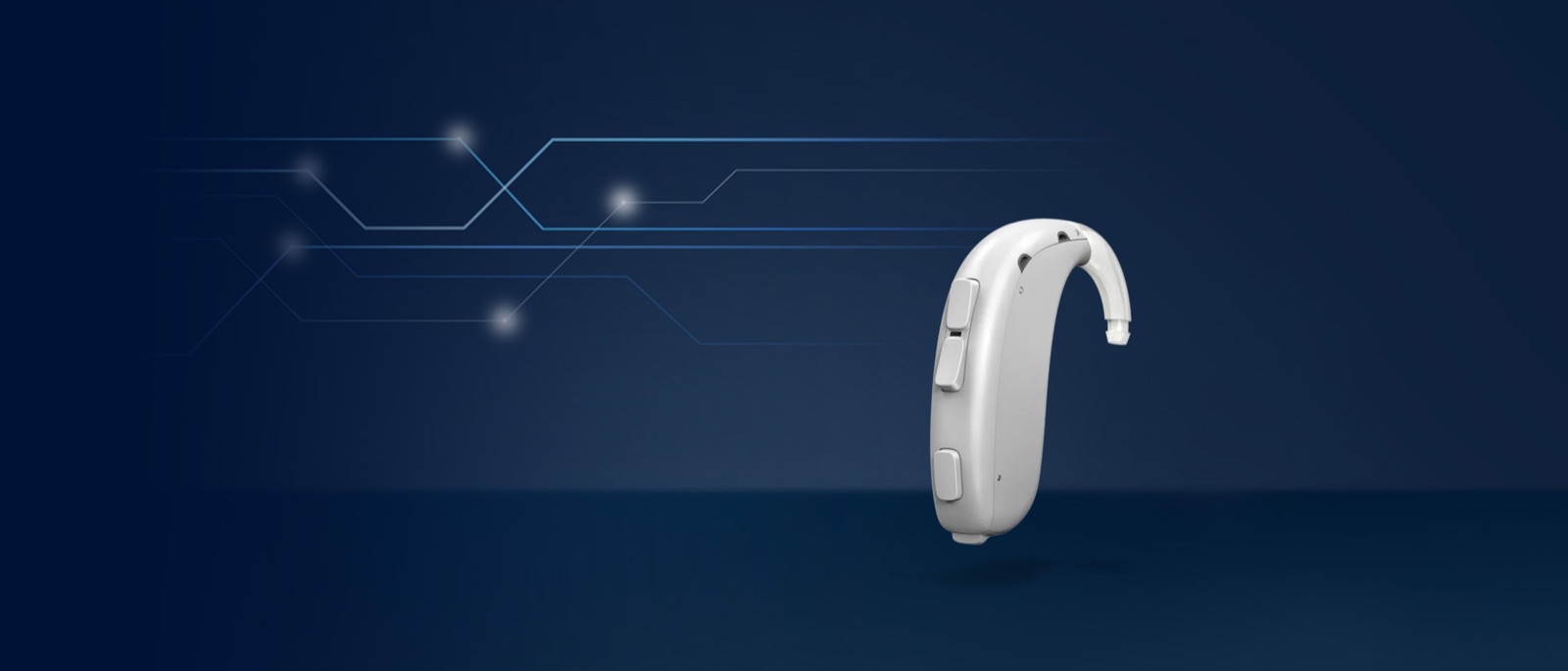
Xceed is a power hearing aid range for people with severe-to-profound hearing loss. Oticon lists Super Power and Ultra Power behind-the-ear styles.
These fittings need enough usable amplification and stable feedback control. The earmould, tubing and venting affect both the sound and the physical fit. Verification and follow-up are particularly important when speech remains difficult despite being louder.
Oticon CROS and BiCROS
A CROS system picks up sound on the side with an unaidable ear and sends it to a hearing aid on the better-hearing side. In a BiCROS fitting, the receiving aid also amplifies sound for hearing loss in that ear.
CROS RE is the newer rechargeable transmitter listed alongside Reveal. CROS PX and the disposable-battery CROS also remain in the catalogue. Compatibility must be checked for the exact transmitter and receiving hearing aid; the shared Oticon name is not enough.
Our CROS and BiCROS guide explains what this type of fitting can and cannot do.
Can Oticon hearing aids help in background noise?
Hearing aids can make speech easier to follow in noise, but a restaurant, a large family gathering or an echoey meeting room can still be difficult. Neither a newer model nor an AI feature removes every competing sound.
The distance from the speaker, room acoustics and your hearing loss all affect the result. A compatible remote microphone can help when the person speaking is too far away for the hearing-aid microphones to pick up speech clearly.
At Alto, we use speech-in-noise testing, including QuickSIN, alongside hearing-level measurements. We also discuss where you struggle, so the recommendation addresses the conversations you are missing.
Oticon Companion app, Bluetooth and accessories
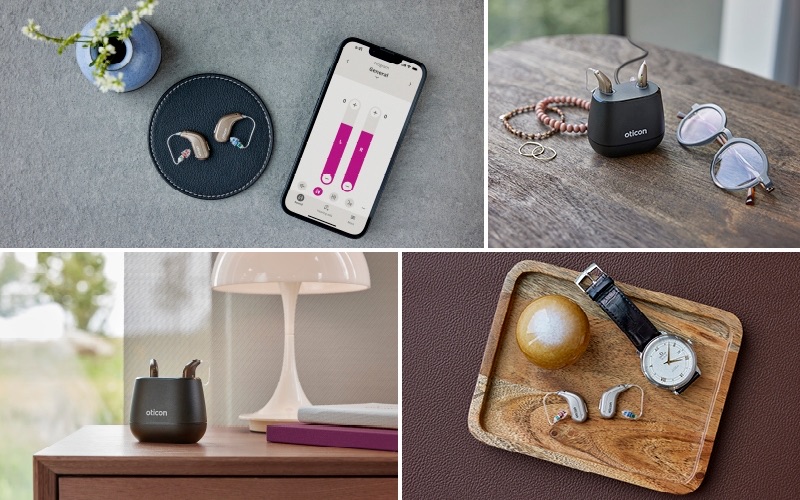
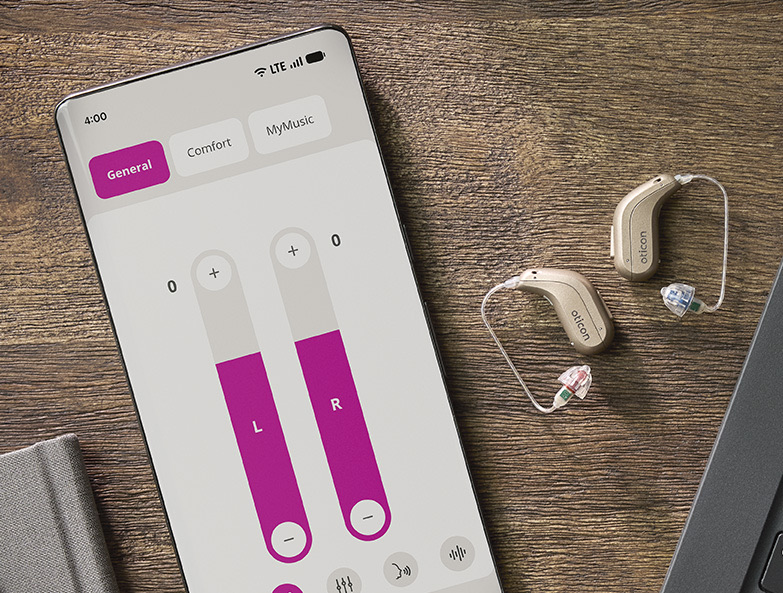
On compatible models, the Oticon Companion app lets you adjust volume, change listening programmes, check battery levels and locate misplaced aids. Other functions depend on the hearing-aid model and app version.
App control, audio streaming and hands-free calls are separate functions. A phone that runs the app may not support every audio feature.
If you rely on phone calls, podcasts, WhatsApp calls, Teams meetings, music or TV audio, your audiologist should check your exact phone model and the hearing aid’s compatibility before recommending it.
Reveal supports Auracast broadcasts as well as phone audio. A venue or television must transmit an Auracast signal for that function to be useful. For existing Intent aids, check the installed hearing-aid firmware as well as the phone and app versions before assuming the latest advertised functions are available.
Oticon accessories include TV Adapter, ConnectClip and EduMic. Depending on the model, these can send television audio or a speaker’s voice to the aids. Existing accessories should be checked for compatibility when changing hearing aids.
How much do Oticon hearing aids cost?
Oticon prices vary by model, technology level, style and the care included. A quote should identify each of those before you compare the total with another provider.
For private hearing care in the UK, £1,500 to £6,000 per pair is a broad budgeting guide, with options outside that range. It is not a price list for Reveal, Intent or any other Oticon model. Our UK hearing aid prices guide explains the costs and care to compare.
Two quotes may both say Oticon but cover different services. Check whether each includes assessment, speech-in-noise testing, Real Ear Measurements, adjustments and ongoing aftercare.
The written quote should confirm:
- The exact model, style and technology level.
- Whether the price is for one aid or a pair.
- Whether the charger and any recommended accessories are included.
- The assessment, fitting and follow-up appointments included, with any separate fees.
- The duration of aftercare and the charges after that period.
- Warranty terms, repair arrangements and the cost of consumables.
How the fitting is checked
The shape and volume of your ear canal affect the sound reaching your eardrum. The manufacturer’s software predicts that sound, but it cannot measure your ear.
Real Ear Measurements allow the audiologist to measure the sound reaching your eardrum while you are wearing the hearing aids, then adjust the fitting to match the prescription target.
If speech is still unclear, your own voice sounds unpleasant or the aids whistle, the audiologist needs to check the earpiece and settings. Some difficulties need a different coupling or further adjustment. Others reflect the limits of what hearing aids can do for that hearing loss.
Oticon compared with other hearing aid brands
Compare the exact devices being proposed, including their earpieces, controls and accessories. Features vary within each manufacturer’s range, so a general claim about one brand’s Bluetooth or sound quality can be misleading.
Our hearing aid brands comparison covers the wider differences. For details of other ranges, see our Phonak, ReSound and Widex guides. Our best hearing aids guide compares models across brands.
Discuss your hearing with Alto
A Complete Hearing Assessment helps us understand your hearing and the situations you find difficult. Our audiologists are independent and can discuss suitable options, including the fitting, accessories and follow-up support.
Request a call back and we’ll help arrange an appointment.
Frequently Asked Questions
Common questions
Are Oticon hearing aids good?
Oticon makes devices for different fitting needs, including receiver-in-canal, custom in-ear and power hearing aids. Suitability depends on the exact model and fitting. A small Own SI custom aid and an Xceed power aid have different capabilities and uses.
What is the newest Oticon hearing aid?
Reveal is the newest adult receiver-in-canal range listed on Oticon’s UK website, checked on 12 October 2026. Intent remains listed too. Zeal, Own SI and Xceed cover different styles and fitting needs, so they should not all be treated as earlier versions of Reveal.
What is Oticon Intent?
Intent is an earlier premium generation than Reveal and remains listed in rechargeable miniRITE and miniBTE R styles. It combines sound processing with sensors that detect head and body movement. The miniRITE has its receiver in the ear canal; the miniBTE sends sound through tubing from behind the ear.
What is Oticon Zeal?
Zeal is a rechargeable instant-fit in-ear hearing aid in the nxtCIC R style. It supports Bluetooth LE Audio and Auracast reception. It is not custom-made from an ear impression. Alto does not currently provide Zeal.
What is Oticon Own SI?
Own SI is a custom-made range in invisible-in-canal and completely-in-canal styles. Both use size 10 disposable batteries and do not offer Bluetooth streaming. Larger custom models with optional wireless features belong to the separate Own range.
How much do Oticon hearing aids cost?
The cost depends on the model, technology level, style and care included. The £1,500 to £6,000 per pair figure in our UK prices guide is a broad private-care budgeting range, with options outside it. It is not an Oticon model-specific price list.
Are Oticon hearing aids rechargeable?
Reveal, Intent and Zeal have rechargeable styles. Own SI uses disposable size 10 batteries. Other ranges include different battery arrangements, so the exact style should be named in the quote.
Do Oticon hearing aids connect to iPhone and Android?
Many do, but the available functions depend on the hearing-aid style, phone and software versions. App control, streaming and hands-free calls need separate checks. Own SI’s IIC and CIC styles do not offer Bluetooth streaming.
Are Oticon hearing aids good for background noise?
They can help you follow speech, but they cannot remove every competing sound. Your hearing loss, the room, distance from the speaker, fitting and any microphone accessory all affect the result. Speech-in-noise testing helps us assess the difficulty you are having.
Are Oticon hearing aids better than Phonak?
Compare the exact models you have been quoted for, including their phone connections, physical styles and accessories. Those features vary within each brand, as do the fitting and support included by the provider.
Are Oticon hearing aids better than ReSound or Widex?
The proposed model needs to fit your ears and hearing loss and provide the functions you need. At Alto, the recommendation includes the dome or custom earpiece, accessories and follow-up support as well as the hearing aids.
Does Alto Hearing provide Oticon hearing aids?
Alto is independent and our audiologists work with different manufacturers. We discuss suitable options after assessing your hearing and fitting needs. We do not currently provide Oticon Zeal.
Do I need Real Ear Measurements with Oticon hearing aids?
Real Ear Measurements check the sound reaching your eardrum while you wear the aids. The audiologist can then adjust the fitting against a prescription target. We use this verification at Alto when fitting hearing aids.
Should I buy Oticon hearing aids online?
Check who will assess your hearing, fit and verify the aids, make adjustments and provide aftercare. Some online providers include professional support; the model and price alone do not explain the service you would receive.