

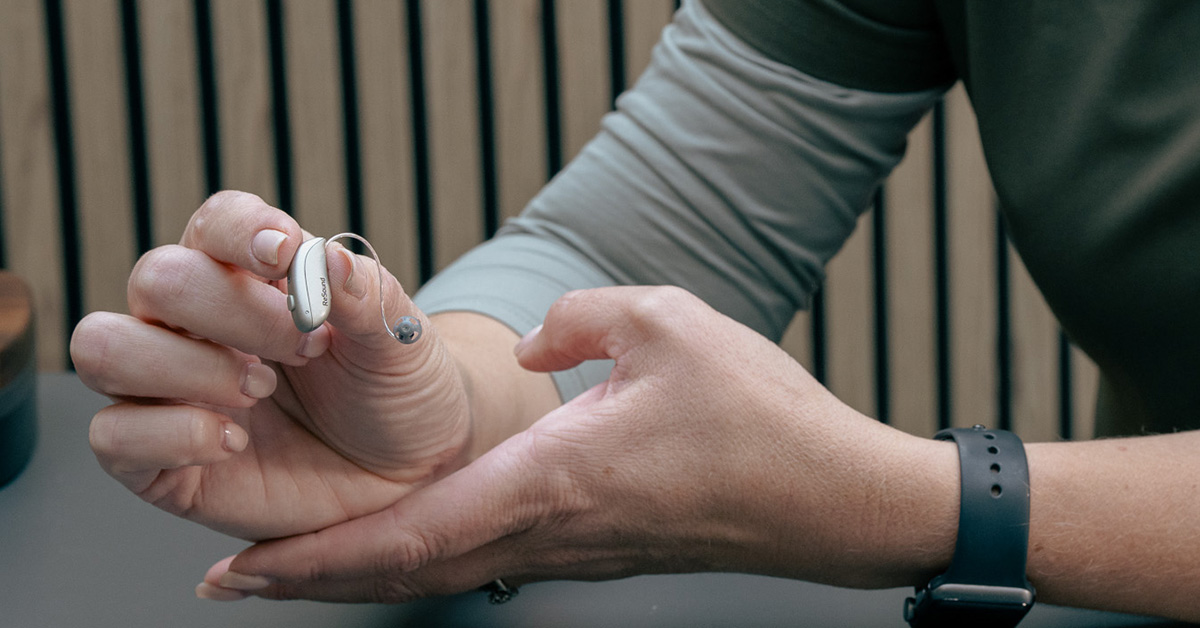
At Alto, we choose the hearing aid, earpiece, accessories and support around the person we are fitting. It is rare for us to fit exactly the same combination repeatedly.
We are independent. Our audiologists regularly fit ReSound, Widex, Signia, Unitron and Starkey, and also work with Phonak and Oticon. We have had considerable success with ReSound and Widex over the past few years.
Current hearing aids to compare
- ReSound Sensia
- Widex Allure AI RIC
- Signia Pure Charge&Go MaX
- Unitron Moxi S-RX
- Starkey Omega AI
- Oticon Reveal
- Phonak Audéo EON Sphere and EON R
For severe to profound hearing loss, see ReSound Enzo IA.
ReSound Sensia
Sensia’s level 9 microRIE adjusts its microphones and noise reduction automatically as the sounds around you change. ReSound calls that system Intelligent All-Around. It is specific to that style and technology level, so the name “Sensia” alone does not tell you whether a pair includes it. Our Sensia article explains the range in more detail.
Moving from Vivia to Sensia needs to address a difficulty that remains with the existing fitting.
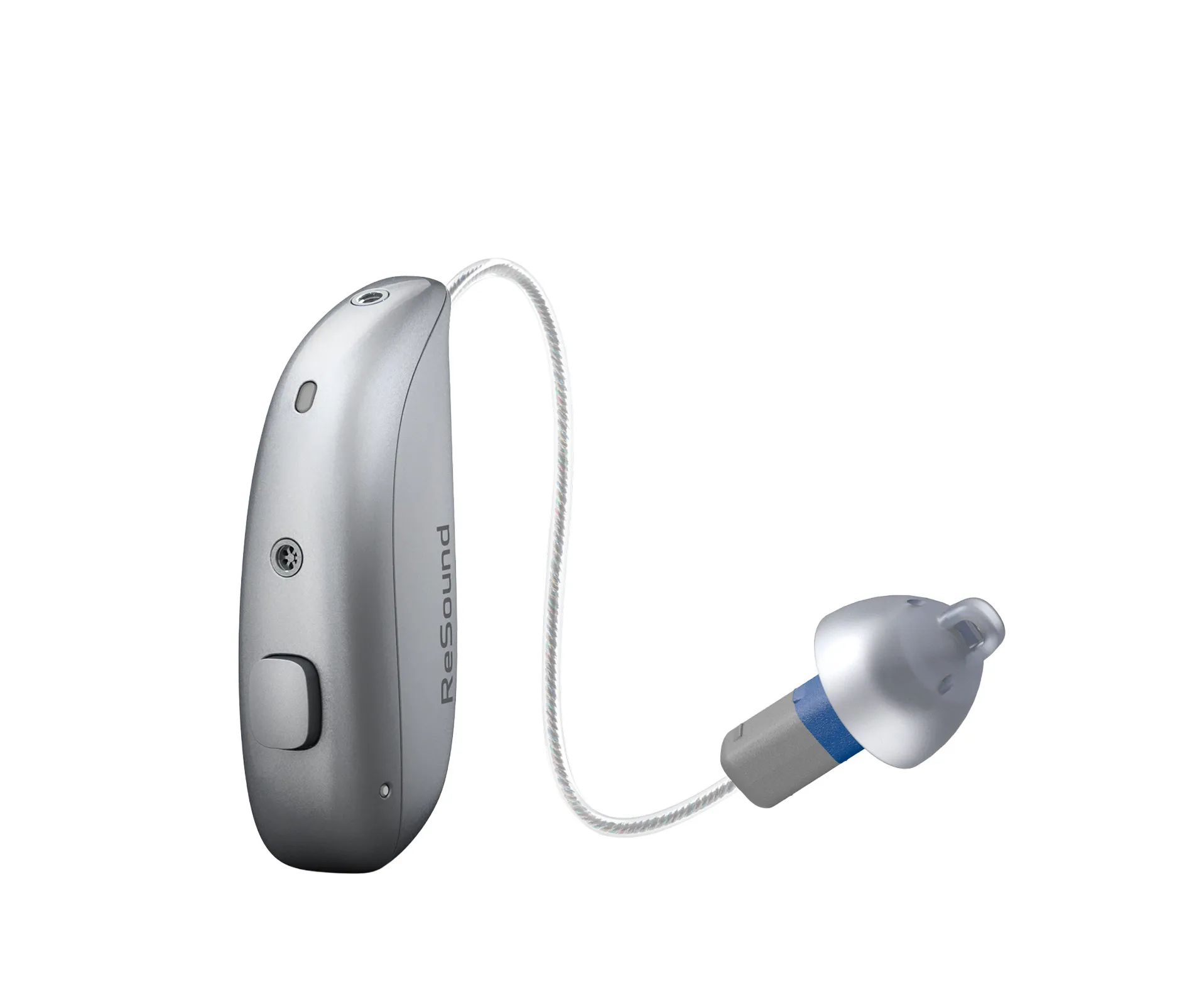
Size is one of the first things people notice with ReSound’s smaller receiver-in-canal aids. We’ve seen some hearing aids in this style get bigger as manufacturers make room for separate AI chips. ReSound has managed to fit the technology into a small device, which people really like.
The app and connectivity also go down well with the ReSound users I work with. The Multi-Mic+ is one of my favourite accessories. It works well with the hearing aids and I’ve seen it make a big difference.
Sandeep Mistry, Senior Audiologist, on ReSound
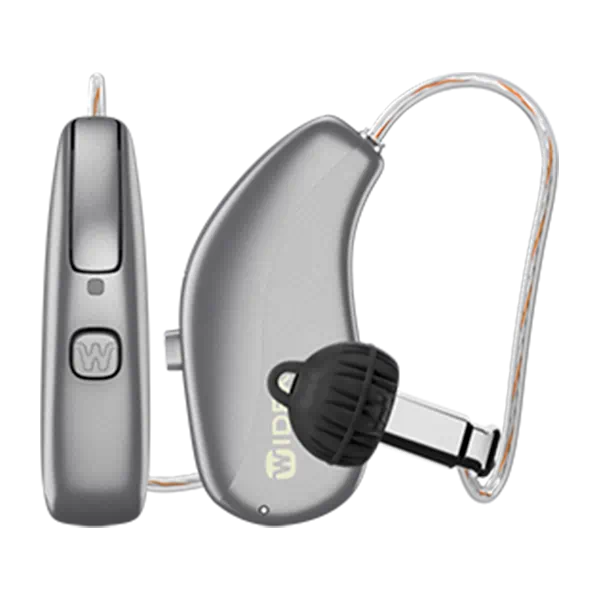
Widex Allure AI RIC
Allure AI RIC adds Clarity Boost, an extra noise programme you activate yourself. You can select it on the aid or in the app. The button on the aid means you can bring in that extra support without taking out your phone.
AI RIC uses the same underlying chip as the original Allure. Clarity Boost belongs to the AI RIC model, rather than the original Allure.
We fit a lot of Widex at our clinic. People often like the sound right from the start because it feels natural to them. We see people choose Widex again when they upgrade to newer hearing aids.
Leesa Burkett, Senior Audiologist, on Widex
Sound preference remains part of the choice. In Adam’s review of the original Allure, he found the sound smooth and rounded, with music a particular strength.
Signia Pure Charge&Go MaX
MaX processes your own voice separately from other speech and noise. The earpiece and amplification also affect how you hear your voice.
Pure Charge&Go MaX is a rechargeable receiver-in-canal aid. It supports Classic Bluetooth and LE Audio. Full Auracast functionality requires the relevant firmware version. Signia’s launch announcement set out an update timetable of delivery by March 2027.
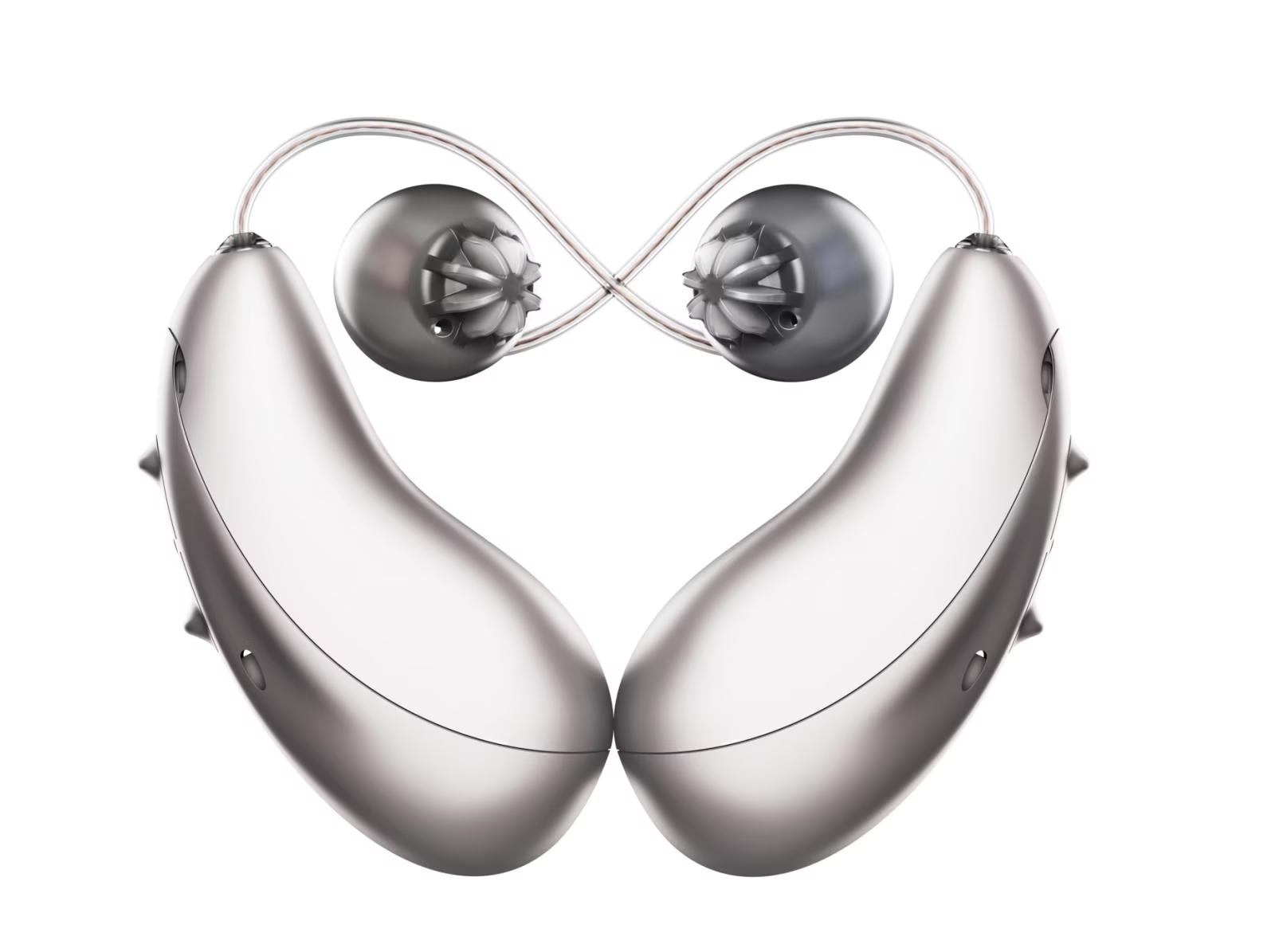
Unitron Moxi S-RX
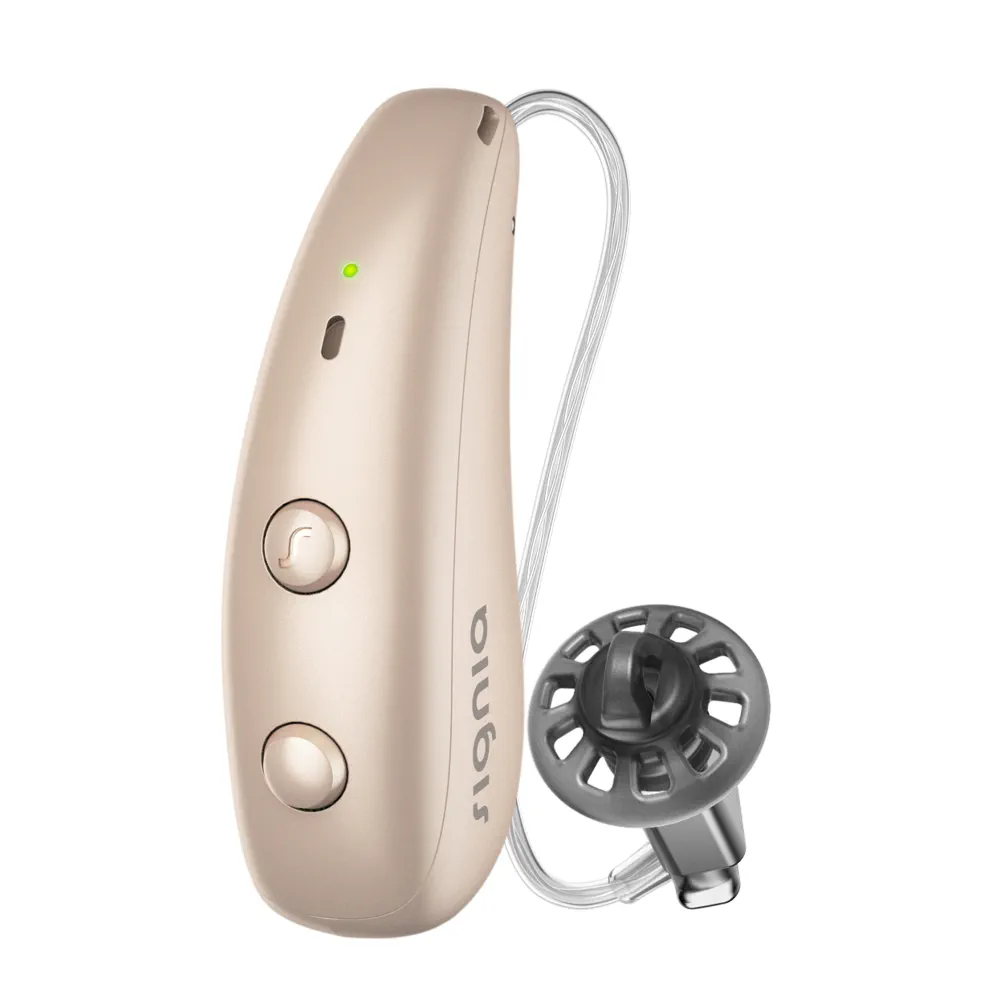
Moxi S-RX combines automatic adjustments to the listening environment with optional controls in the Remote Plus app. You can select speech and noise programmes and adjust the noise filter.
It is a rechargeable receiver-in-canal model in the Unitron range.
There’s a lot of spiel to sift through with hearing aids. What I like about Unitron is that they have access to advanced technology and keep the focus on the person wearing the aids. I find that refreshing.
Andrew Holmes, Audiologist, on Unitron
Starkey Omega AI
Omega AI’s Edge Mode+ lets you bring in extra speech support on demand during difficult listening.
For broadcasts, the My Starkey app includes an Auracast assistant that lets you select the audio to listen to. Omega AI supports Bluetooth LE Audio.
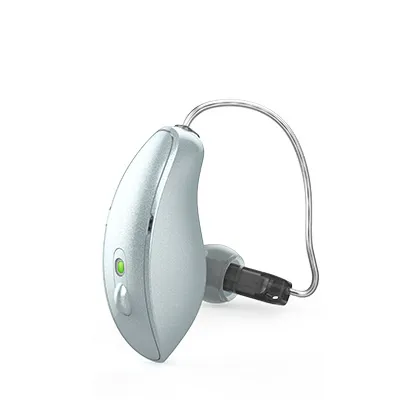
Oticon Reveal
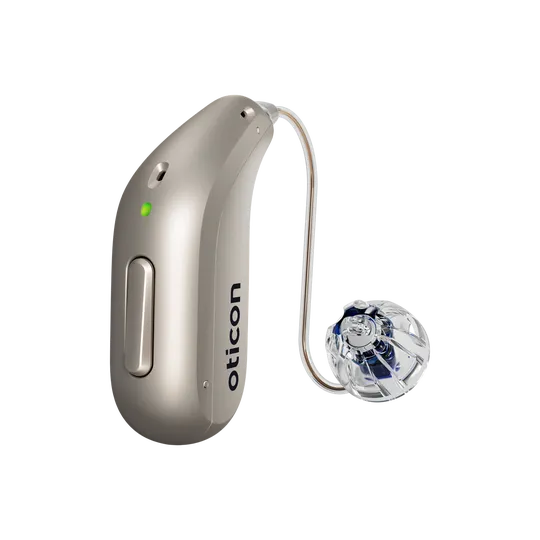
In a group conversation, the person you need to hear changes as others join in. Reveal processes speech and the surrounding sound separately. Oticon’s stated aim is to support conversation while keeping other people and sounds around you audible.
Its rechargeable miniRITE has a case behind the ear and an earpiece in the ear canal. Other styles and models are covered in our Oticon hearing-aids guide.
Phonak Audéo EON Sphere and EON R
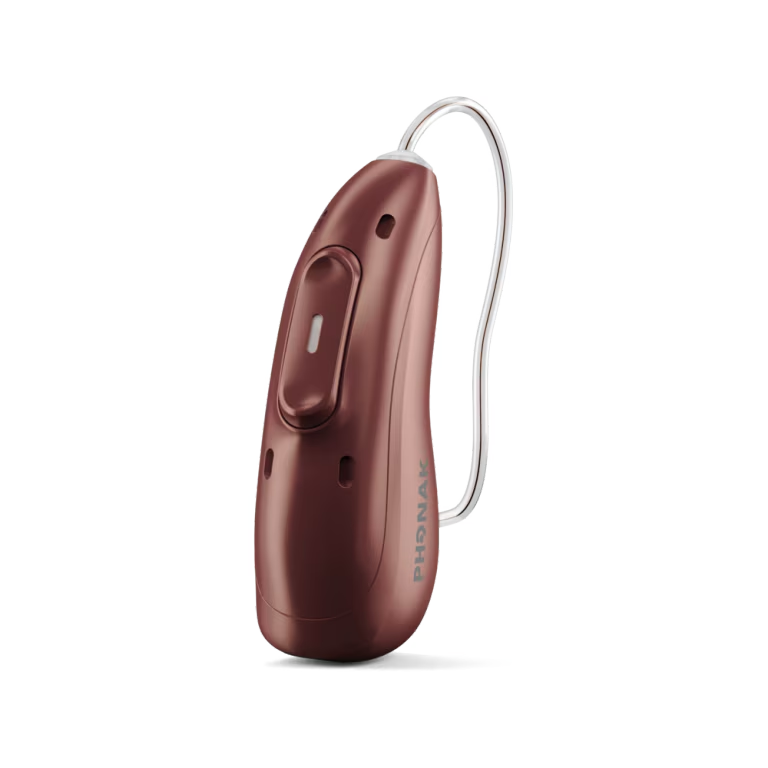
The EON name covers two different models. EON Sphere has an additional dedicated system for speech in noise that EON R does not include. The extra Sphere processing is a separate choice from Bluetooth connectivity: Phonak lists Classic Bluetooth and Auracast across the EON range.
Hearing aids for severe to profound loss
For severe to profound hearing loss, the required amplification and how well speech can be understood lead the choice. The earmould seal also needs to support that level of amplification.
ReSound Enzo IA is a rechargeable Super Power aid for this degree of loss. It has feedback control to reduce whistling, speech-in-noise processing, Bluetooth LE Audio and Auracast. It remains a current option for a power fitting, alongside the smaller models above.
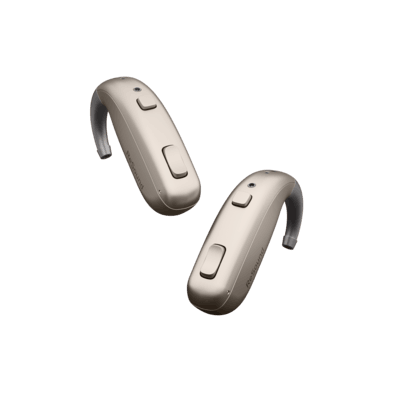
The complete fitting
A remote microphone can pick up a speaker’s voice closer to them when they are further away from you. The dome or custom earpiece affects the amplification we can deliver.
Sound preference is part of the recommendation. Some people prefer a crisp, detailed sound; others prefer something gentler. Discretion, phone use and how much you want to operate the controls are also part of the fitting.
Small receiver-in-canal aids involve positioning a case behind the ear and an earpiece inside the canal. Custom in-ear hearing aids put the body of the aid in the ear. Putting the aids in, taking them out, cleaning them and managing charging or batteries all affect the style choice. Our guide to hearing aids with arthritis or poor eyesight covers those practical differences.
Phones, calls and broadcasts
Your phone can run the app without supporting hands-free calls. Controlling the aid, hearing the caller through it and using the aid’s microphones to send your voice are different functions. Which ones work depends on the exact phone, its software and the hearing-aid model.
Auracast lets compatible hearing aids receive broadcast audio, for example from an equipped venue or television transmitter. The transmitter and hearing aids both need to support it. Having Auracast does not mean calls from your phone will work with the aids.
Fitting and care after you choose
At Alto, fitting and verification includes programming for your hearing and a comfortable starting level. We work through putting the aids in, using the controls and connecting your phone and accessories. Measurements in the ear help us verify the sound the aid delivers.
At early follow-ups, we adjust the fit and sound around how you are getting on in everyday use. Aftercare continues with regular reviews.

Compare prices for the model and technology level together with the fitting, accessories and ongoing care. Our UK hearing-aid prices guide explains what a quote should cover. The hearing-aid brands comparison covers the broader manufacturer differences.
Adam explains how we choose hearing aids
This is Adam’s original discussion of hearing-aid choice. The written comparisons above include products announced after the video was made.
For existing wearers, the guide to hearing-aid upgrades covers the current fitting and what would justify changing it.
AirPods and hearing glasses
Apple’s Hearing Aid feature on AirPods Pro 2 and AirPods Pro 3 is intended for adults aged 18 or over with perceived mild to moderate hearing loss. Setup requires a compatible iPhone or iPad and the required software. It can use Apple’s hearing-test results or an audiogram from a hearing professional.
Nuance Audio hearing glasses also target adults with mild to moderate hearing loss. They use open-ear speakers in the frames and app-based settings. Neither product examines your ears or provides a clinician’s assessment of why your hearing has changed.
Discuss hearing-aid options with Alto
A Complete Hearing Assessment gives us your hearing results, information about how you follow speech in noise and the situations you want help with. Those findings guide the recommendation, including the device, earpiece and any accessories. Our hearing aid treatment plans bring technology, fitting and follow-up together.
SoundCheck offers an initial check if you are unsure whether your hearing has changed. A call back can help you choose the appropriate appointment.
Manufacturer information
Product details checked on 10 October 2026.
- ReSound: Sensia, Sensia feature scope, Vivia and Enzo IA.
- Widex: Allure AI RIC, Allure range and Allure app.
- Signia: Pure Charge&Go MaX and launch and firmware details.
- Unitron: Moxi S-RX.
- Starkey: Omega AI.
- Oticon: Reveal.
- Phonak: EON range.
- Apple: Hearing Aid feature and UK feature availability.
- Nuance Audio: hearing glasses.
Additional references: Bluetooth SIG’s Auracast information and Royal United Hospitals Bath’s hearing-aid guidance.