

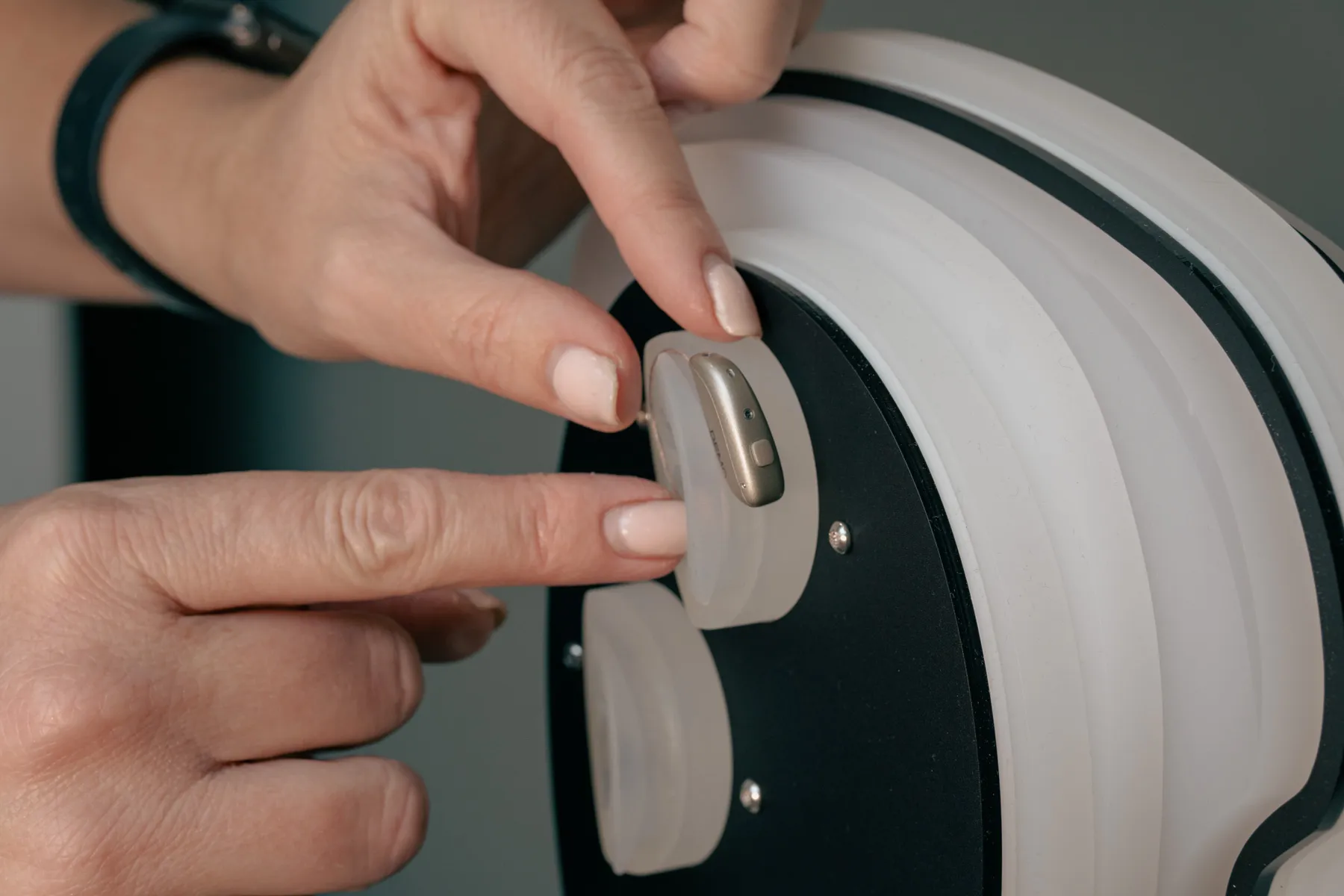
Rechargeable hearing aid batteries can be replaced when they wear out. At Alto, that means sending the hearing aids back to the manufacturer. The battery is built into the aid, so we don’t change it in the clinic.
If your hearing aids still help you hear well but no longer hold enough charge for the day, getting the battery checked is a sensible step before choosing a new pair.
Why the charge stops lasting as long
As a lithium-ion battery ages, it stores less energy. Your hearing aid can still show a full charge in the morning and run out earlier than it used to.
There is no single replacement timetable for every battery. Unitron says its rechargeable batteries are designed to last the expected lifetime of the hearing aids in the majority of cases. Its instructions also recognise that a battery may need replacing if it no longer lasts the day.
How you use your aids affects running time too. More streamed calls, music or TV can use more power. Compare how they perform during your usual routine, rather than judging the battery against an advertised maximum.
Before sending your aids away
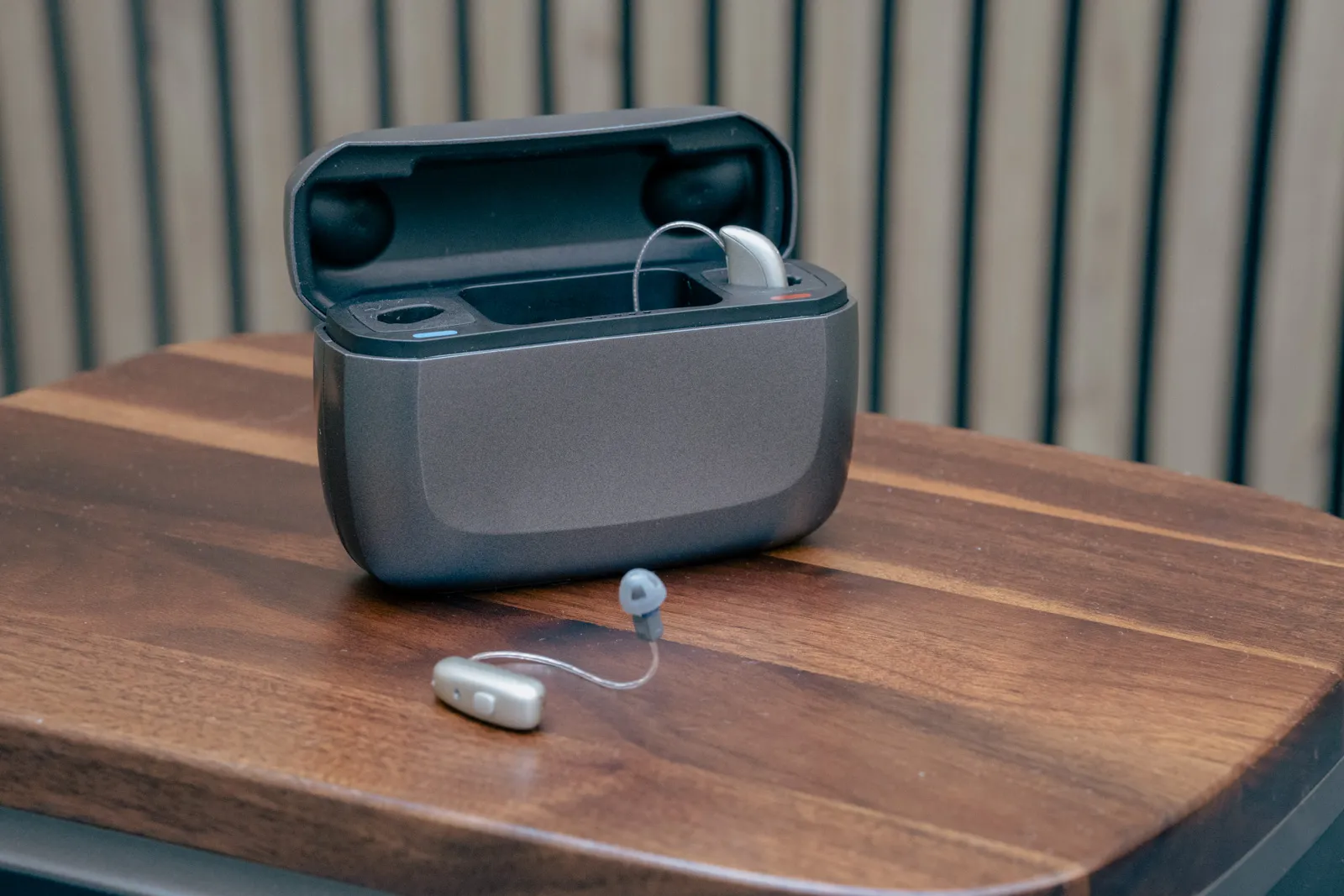
We need to distinguish a battery that runs down too quickly from an aid that is not charging properly. Bring the charger with your hearing aids so they can be checked together.
Tell us whether one aid or both are affected, when the low-battery warning starts and whether the change happened gradually or suddenly.
If an aid has gone silent, the battery may still have power. A blocked wax filter is the most common cause we find at Alto when someone brings in an aid that has stopped working. Our hearing-aid troubleshooting guide covers those checks.
The manufacturer carries out the replacement
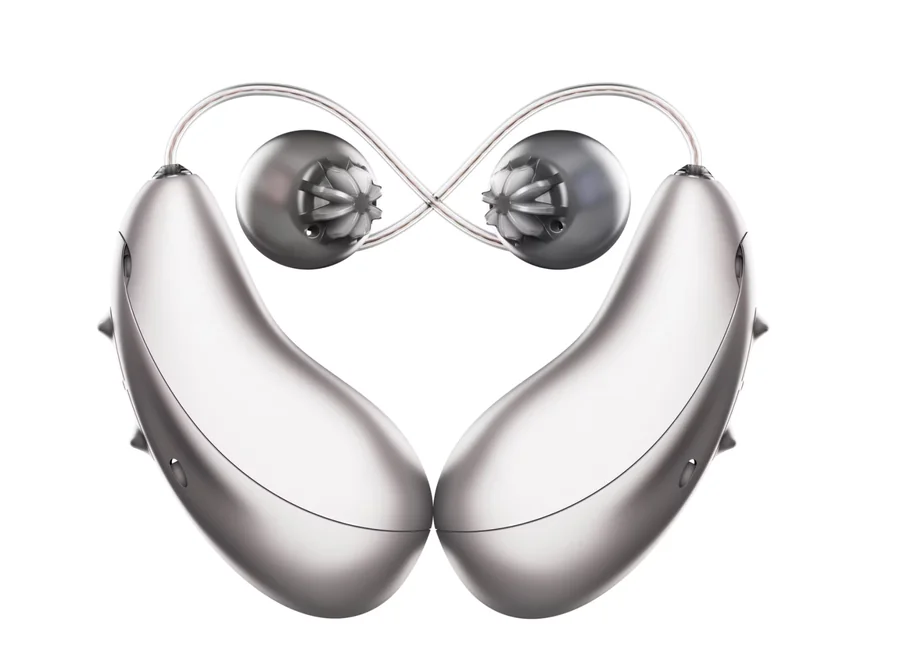
Your audiologist arranges the return and explains the fault to the manufacturer. The manufacturer handles the battery replacement. The work may include other components or an exchange hearing aid, depending on its repair arrangements.
“Non-removable” in a user guide means the battery is not for you to change at home. It does not mean the hearing aid has to be discarded when the battery wears out. Widex’s safety instructions reserve battery exchange for a service centre, and Unitron’s Moxi S-RX guide explicitly mentions replacement for shortened battery life.
Older rechargeable systems, including ZPower, had removable batteries. You may still find their instructions online. They do not apply to the built-in lithium-ion batteries in modern aids. Do not open the casing or attempt a battery change yourself.
Follow the safety instructions for your own model. Widex says to stop using and return an aid if its performance after charging falls considerably.
Cost and warranty cover
Battery replacement is handled as a hearing-aid repair, so the charge may cover more than the battery itself. Get a quote for the work on your aids, including whether it covers one aid or both.
Warranty and care-agreement cover need checking for the fault. Being within the warranty period does not confirm that every battery problem is covered. Agree whether you will be contacted before any extra work or charges are approved.
For older aids, check that the manufacturer still supports repairs before weighing up the cost against a new pair.
Loan hearing aids while yours are away
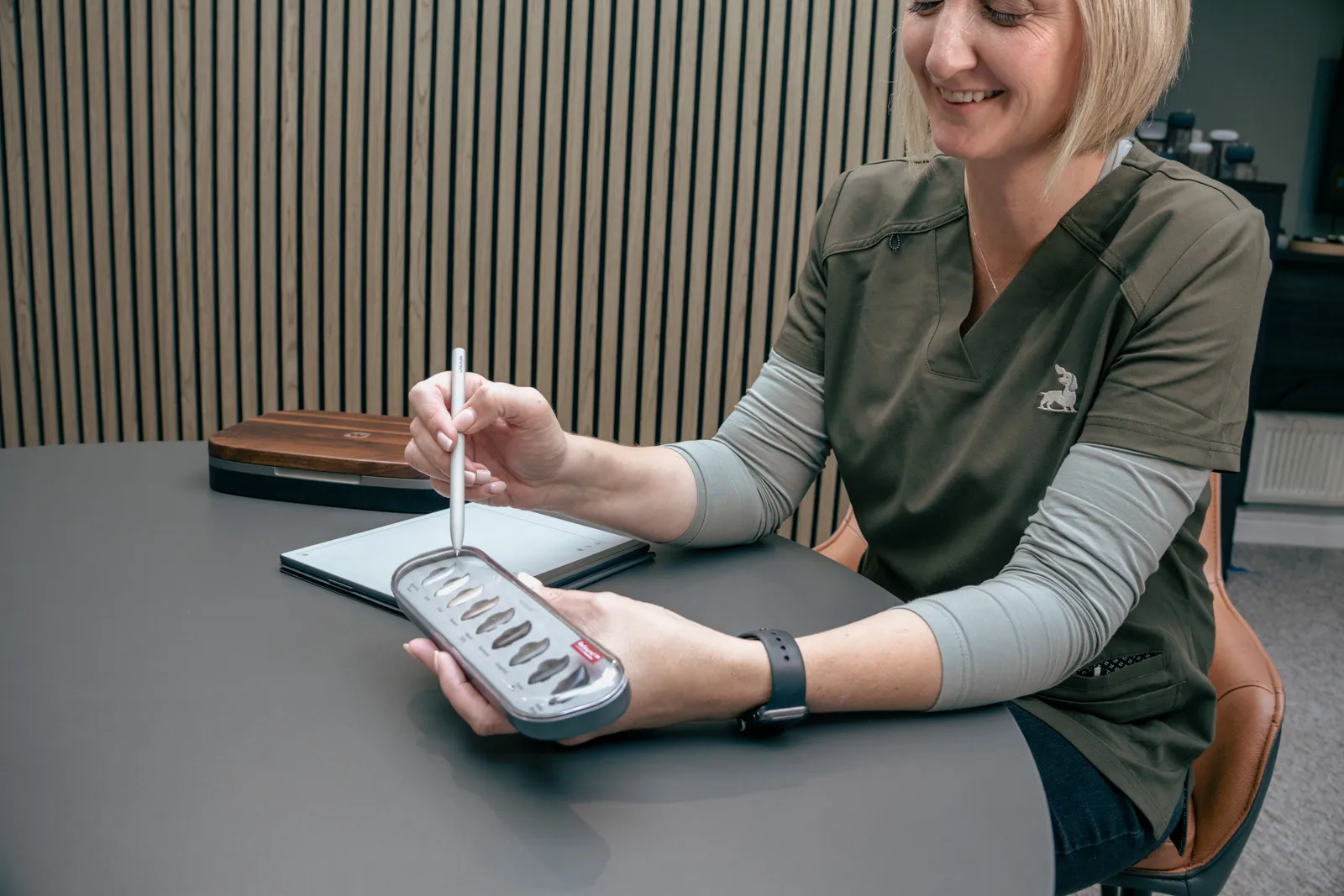
At Alto, we send hearing aids back to the manufacturer for in-warranty repairs. We have loan hearing aids for the time yours are away.
Agree the expected turnaround and loan arrangements before your aids go away. Mention phone or TV streaming when you arrange the loan, as well as the day-to-day hearing support you need.
Keeping your hearing aids or replacing them
When the aids otherwise work well for you, a battery repair can help you keep using them. Battery wear on its own is a reason to investigate repair before spending money on a new pair.
Repeated faults, unavailable parts or hearing needs that have changed can make replacement worth considering. Include any problems with comfort or following conversation in that discussion. Our guide to deciding whether to upgrade your hearing aids covers this in more detail.
Contact Alto about battery replacement
Tell us which hearing aids you wear and how their battery life has changed. We can discuss the next step and loan aids for an in-warranty manufacturer repair.
Contact AltoRepairs to NHS hearing aids should be arranged through the NHS service that supplied them. Alto cannot reprogramme NHS hearing aids.
Manufacturer information
- Unitron Moxi S-RX user guide and battery-life FAQ.
- Widex Allure safety instructions, including service-centre battery exchange.
- Signia Pure Charge&Go IX battery runtime information and professional guidance on checks before returning aids for repair.
- ReSound LiNX Quattro instructions and repair terms. These describe the arrangements for that model.
- ReSound’s 2018 LiNX 3D rechargeable instructions, an example of the older removable-battery system.