

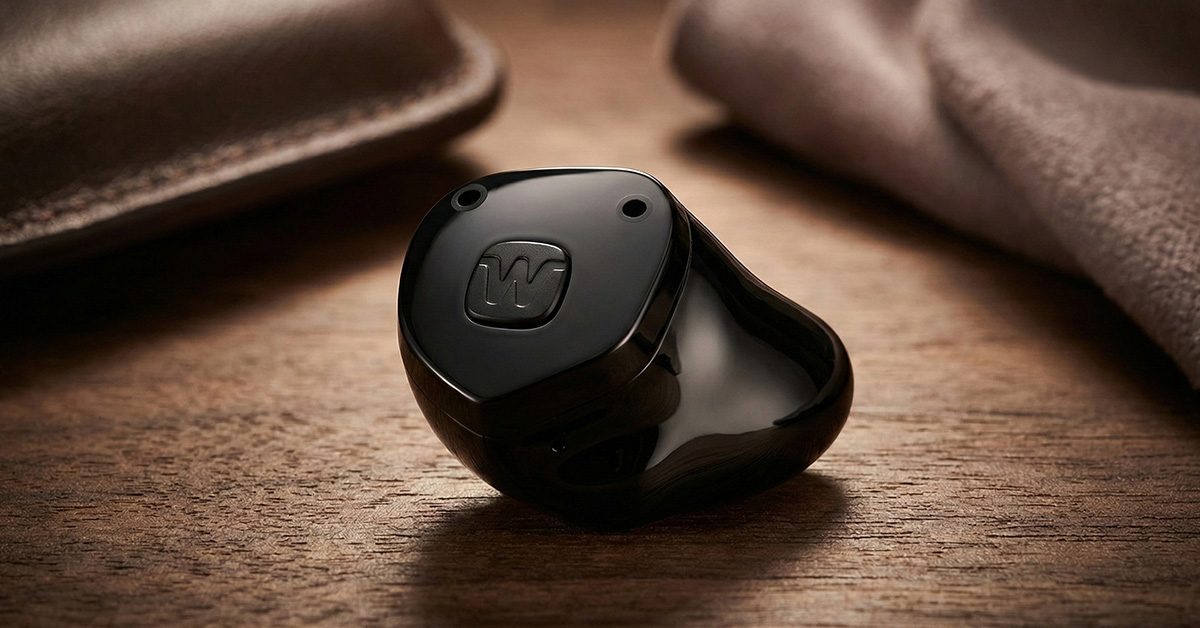
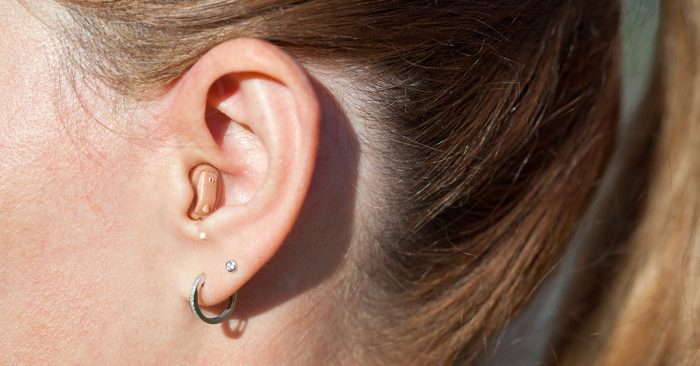
Custom in-the-ear hearing aids are made to fit the shape of your ear. For the right person, they can be discreet, settled and easy to live with.
They are not automatically better than hearing aids that sit behind the ear. They are not automatically worse either. The result depends on your hearing loss, ear shape, wax levels, handling, phone use, listening needs and how carefully the devices are fitted.
This guide explains the main custom styles, why people ask for them, where they work well, where they create problems, and what to check before choosing one.
The short version
- Custom in-the-ear hearing aids are made from an ear impression or scan.
- They can be useful if you dislike anything behind the ear, wear glasses, use masks or want a self-contained device.
- They are not suitable for every ear canal, hearing loss or lifestyle.
- Wax, moisture, ventilation, feedback, repair access and future hearing changes all matter.
- Rechargeable and Bluetooth custom hearing aids are now much more realistic than they used to be.
Table of Contents
What custom in-the-ear hearing aids are
Custom in-the-ear hearing aids are built for one ear only. The manufacturer uses an impression or scan of the ear to make a shell, then places the hearing aid components inside that shell.
There is no case sitting behind the ear and no thin wire running down into the canal. The whole device sits in the outer ear or ear canal, depending on the style.
That is the appeal. A custom hearing aid feels like one piece. You put it in, it sits in the ear, and nothing rests behind the ear.
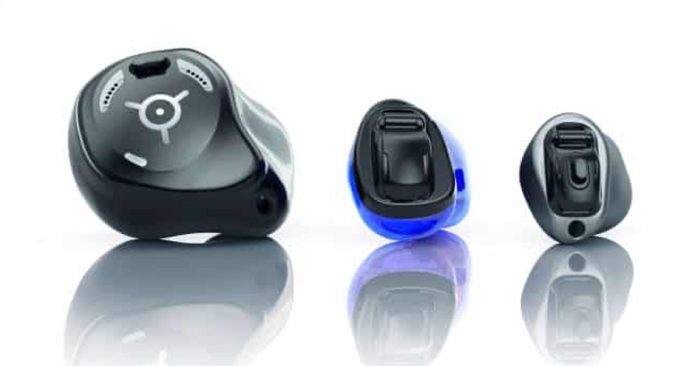
ITE, ITC, CIC and IIC: what the names mean
Searches for in-ear hearing aids often mix several styles together. The names describe how much of the device sits in the ear.
ITE
In-the-ear. Usually fills more of the outer ear. Easier to handle, often with more room for features.
ITC
In-the-canal. Smaller than a full ITE, with part of the device sitting in the ear canal.
CIC
Completely-in-canal. Smaller and more discreet, but usually more dependent on ear shape and handling.
IIC
Invisible-in-canal. Deep and very discreet, but the smallest style is not suitable for every ear or hearing loss.
A smaller hearing aid is not always the better fitting. The device still needs enough space, enough ventilation, enough power and enough room for the features you actually need.
Why people ask for in-ear hearing aids
The search demand is easy to understand. People look for invisible hearing aids, small hearing aids, CIC hearing aids, Bluetooth in-ear hearing aids and rechargeable invisible hearing aids because they want help without feeling as if they are wearing obvious hearing technology.
In clinic, the reasons are usually more practical than vanity.
Nothing behind the ear
Glasses, masks, hats, helmets and sensitive skin can make behind-the-ear fittings irritating.
A contained shape
Some people prefer one solid device they can insert and remove without managing a wire and dome.
Discretion
CIC and IIC fittings can be very discreet when the ear canal, power needs and handling allow it.
How custom hearing aids compare with RIC hearing aids
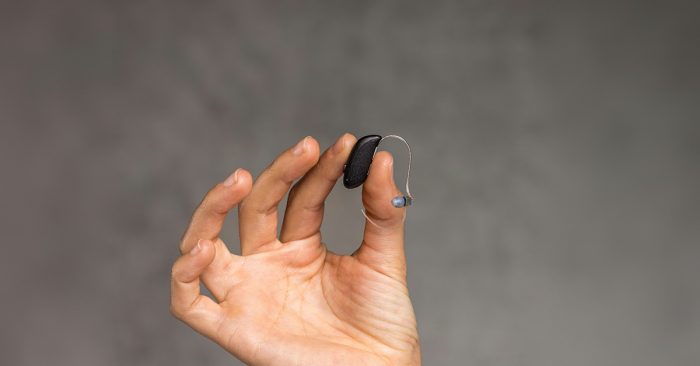
Receiver-in-canal hearing aids, often called RIC or RITE hearing aids, sit behind the ear with a thin wire leading to a small receiver in the ear canal. They became popular because they solve many practical fitting problems.
They can keep the ear more open. They are easier to modify if your hearing changes. Receivers, domes and wires can often be changed in clinic. Manufacturers also tend to launch their newest technology first in RIC styles.
Custom hearing aids win on different things: no behind-the-ear piece, a made-to-shape fit, and a more self-contained feel.
| Question | Custom in-the-ear | Receiver-in-canal |
|---|---|---|
| Most discreet? | Can be, especially CIC or IIC. | Often still very discreet behind the ear. |
| Best for glasses? | No behind-the-ear piece. | Usually fine, but adds another item behind the ear. |
| Most flexible if hearing changes? | Less flexible. | Usually more flexible. |
| Most open feeling? | Depends on shell and venting. | Often easier to fit open. |
| Easiest to service quickly? | Some faults need manufacturer repair. | Many receiver or dome issues can be fixed in clinic. |
| Best technology choice? | Improving quickly. | Still usually the widest choice. |
There is no universal winner. A good recommendation should explain why the style suits the person, not just why the style looks appealing.
Where custom in-the-ear hearing aids work well
Custom in-ear hearing aids can be a strong option when the ear and the hearing loss suit the design.
- You dislike the feeling of hearing aids behind the ear.
- You wear glasses, masks, hats or helmets and want less behind-the-ear clutter.
- Your ear canal can hold a stable, comfortable shell.
- Your hearing loss sits within the fitting range of the custom style.
- You can manage insertion, removal, cleaning and wax filter changes.
- You want a hearing aid that feels like one contained object.
The best custom fittings tend to be the ones where the choice is made for practical reasons, not just because the word “invisible” sounds attractive.
Where custom hearing aids can be the wrong choice
The same design that makes custom hearing aids appealing can also create the main drawbacks.
The main trade-offs
- Blocked feeling: a fuller shell can make your own voice sound boomy or trapped.
- Wax and moisture: the hearing aid sits where wax and moisture naturally collect.
- Repairs: some problems require the whole device to be sent away.
- Future changes: there is less room to change receivers or acoustics later.
- Space: very small ear canals may not have enough room for the smallest styles or the features requested.
If someone is very sensitive to occlusion, has heavy wax, needs a lot of power, wants maximum Bluetooth performance, or may need more flexibility later, a RIC hearing aid may still be the cleaner recommendation.
Rechargeable, Bluetooth and invisible options
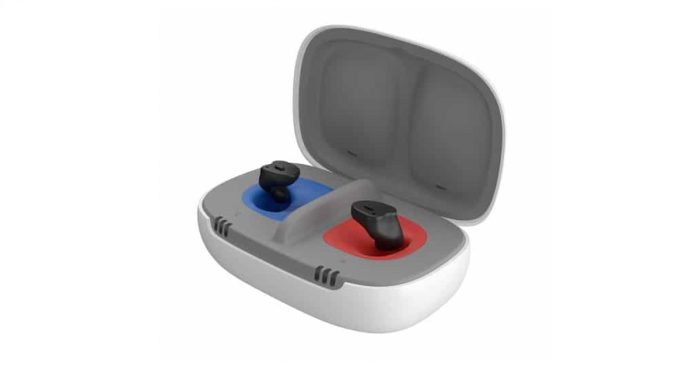
This is where custom hearing aids have improved. A few years ago, choosing an in-ear custom style often meant accepting older technology, disposable batteries or fewer phone features.
That is no longer always true. There are now rechargeable custom hearing aids, Bluetooth custom hearing aids, app-controlled customs and very small CIC or IIC options. The catch is that you cannot have every feature in every shell size.
The smallest invisible styles may be discreet but simpler. Larger ITE or ITC styles may give more room for rechargeability, wireless features, directional microphones or easier handling. This is why the smallest-looking option is not always the most useful one.
Custom hearing aids worth discussing now
These are not blanket recommendations. They are examples of the kind of custom technology now worth discussing if an in-ear fitting is suitable.
Widex Allure ITE R D
A custom rechargeable Widex option on the Allure platform. Relevant for people who like the Widex sound but want an in-ear shape.
Signia Insio IX
A custom Signia range with CIC, IIC and rechargeable CIC options depending on model. Relevant where conversation in noise and discretion both matter.
Phonak Virto Infinio
Phonak’s custom Infinio family includes rechargeable and very discreet options, with different feature levels depending on the exact model.
Starkey Signature Series and Omega AI customs
Starkey is strong in custom styles, including small CIC and IIC options, rechargeable custom designs and newer Omega AI custom formats.
Availability changes, and the right choice is not made from a product list. A model that looks ideal online may still be wrong if the ear canal is too small, the hearing loss needs more power, or the fitting would block the ear too much.
What an assessment needs to check
If you are interested in custom in-the-ear hearing aids, the assessment needs to go beyond “do you want something small?”
- Ear canal size, shape and skin health.
- Wax levels and whether wax is likely to block the microphones or receiver.
- The amount of ventilation needed to avoid a blocked feeling.
- Your hearing thresholds and whether the chosen style has enough power.
- Whether you need Bluetooth streaming, app control, rechargeability or accessories.
- Your dexterity, eyesight and ability to clean the device.
- Whether speech-in-noise difficulty means you need a more advanced directional or accessory plan.
At Alto, this belongs within a Complete Hearing Assessment, then a hearing aid recommendation if amplification is appropriate. Fitting and verification still matter, whatever style is chosen.
What to do next
If you are looking at invisible, CIC, ITE or rechargeable in-ear hearing aids, start with suitability rather than the smallest possible shell.
A good outcome depends on the match between your ears, hearing loss, daily listening needs and the care around the fitting.
Considering custom in-the-ear hearing aids?
Alto can check whether custom hearing aids are realistic for your ears, your hearing loss and the way you want to use them.
Frequently asked questions
Are custom in-the-ear hearing aids invisible?
Some are very discreet, especially CIC and IIC styles. They are not invisible for everyone. Ear canal shape, hearing loss, shell size and colour all affect how visible the hearing aid is.
Are in-ear hearing aids better than behind-the-ear hearing aids?
Not automatically. In-ear hearing aids can be a good choice if you want nothing behind the ear and your ear shape is suitable. Receiver-in-canal hearing aids are often more flexible, easier to service and easier to fit open.
Can custom in-the-ear hearing aids be rechargeable?
Yes. Rechargeable custom hearing aids are now available from several manufacturers. The exact size, battery life and features depend on the model and whether your ear can accommodate the shell.
Do custom hearing aids have Bluetooth?
Some do. Bluetooth and app features are more common in larger ITE or ITC styles than in the very smallest invisible styles. Compatibility should be checked before choosing.
Are CIC hearing aids good for small ear canals?
Sometimes, but not always. CIC and IIC hearing aids need enough space to fit comfortably and safely. Very small, narrow or sharply bending ear canals may limit what can be made.
Do custom hearing aids cost more?
Not always. Price usually depends more on technology level, manufacturer, style and care package than on custom shape alone. The full cost should include assessment, fitting, verification and aftercare, not just the device.
Can custom hearing aids help in background noise?
They can help when the technology, fitting and expectations are right. The smallest custom styles may have fewer directional microphone options than larger styles or RIC hearing aids, so speech-in-noise needs should be discussed before choosing.
Are custom hearing aids suitable for severe hearing loss?
Sometimes, but power needs can limit the style. More severe hearing losses may need more output, more vent control or a different fitting approach. A hearing assessment is needed before deciding.
Sources
Sources checked May 2026: Widex Allure ITE R D, Signia Insio IX, Signia Insio Charge&Go CIC IX, Phonak Virto Infinio, Starkey Signature Series, Starkey Omega AI ITE R.