

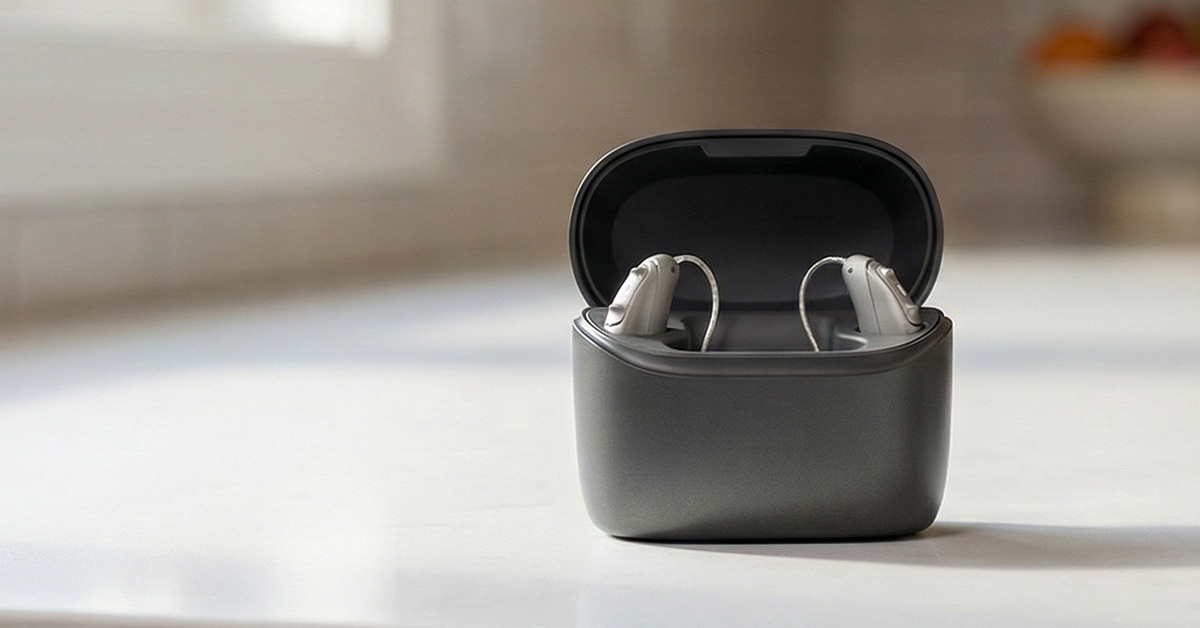
If you’ve bought hearing aids privately, insurance is usually worth considering. They’re valuable, worn every day, and they’re most likely to be lost or damaged in everyday moments: taking them out for a shower, changing clothes, travelling, or slipping them into a pocket “just for a second”.
Hearing aid insurance is all about reducing disruption. If you lost one hearing aid tomorrow, how quickly could you replace it, and would you be comfortable paying for that replacement immediately?
At a glance
- If replacing your hearing aids quickly would be financially uncomfortable, insurance is sensible.
- Most people insure hearing aids either through specialist hearing aid insurance or by adding them to home insurance (usually via “personal possessions” cover).
- The key detail is whether loss is covered outside the home and up to the full replacement value.
This article provides general information only and does not constitute financial or insurance advice. Always check the terms of your own policy or speak to your insurer.
Table of Contents
Do you need hearing aid insurance?

For many private hearing aid owners, the answer is yes.
Insurance is typically worthwhile if:
• Your hearing aids are a significant investment and you’d rather not self-fund a replacement at short notice
• You travel often or spend regular time out of the house
• You remove your hearing aids frequently (for sport, showering, naps, phone calls, masks, headphones)
• You rely on your hearing aids for work, driving confidence, caring responsibilities, or social life
You might decide against it if:
• You have confirmed, in writing, that your home insurance covers your hearing aids for loss, theft and accidental damage outside the home, up to the full replacement value
• You have savings set aside specifically for replacement
• Your hearing aids are older and you’re already planning an upgrade soon
Two ways to insure hearing aids in the UK
| Option | Best for | Pros | Watch-outs |
|---|---|---|---|
| Specialist hearing aid insurance | Frequent travellers, higher-value devices, those who want a dedicated claims process | Often designed around hearing aids, may include loss as standard, claim does not usually affect home insurance | Usually costs more than adding to home insurance, terms still vary by provider |
| Home insurance (contents + personal possessions) | People with strong existing cover who want a cost-effective option | Often cheaper, one policy to manage | Single-item limits can bite, outside-the-home cover may be optional, a claim can affect future premiums |
If you’re using home insurance, check these five points
Home insurance can be a very good solution, but only if the cover is set up properly. Don’t assume. Check the policy wording and, ideally, get confirmation from your insurer in writing.
You usually need personal possessions cover (or similar wording) for items away from home.
This is the most common gap. Some policies cover theft and damage, but not simple loss.
Many policies cap payouts for any one item unless it’s specified on the policy. Your hearing aids may need to be listed separately if the limit is lower than the replacement value.
Insure for what it would cost to replace like-for-like today, not what you paid years ago. Check whether the policy pays “new for old” or applies deductions.
Even if cover is technically in place, a high excess or a likely premium increase can make claiming less attractive.
Practical tip: If your insurer can’t clearly answer whether hearing aids are covered for loss outside the home (and for how much), treat that uncertainty as a risk.
Specialist hearing aid insurance
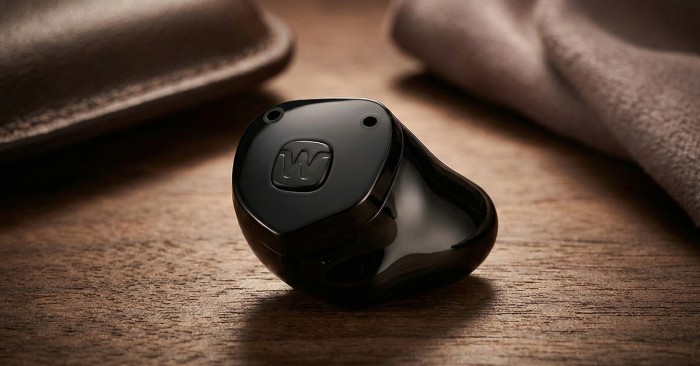
Specialist policies are built for small, wearable devices that are easy to lose or damage. For some people, that clarity is worth paying for.
One example is Assetsure, which offers specialist hearing aid insurance and describes cover that can include loss, accidental damage and theft, plus hearing aid accessories. You can review the details here: Assetsure hearing aid insurance.
If you’re considering specialist cover, still do the basics:
• Confirm loss is included (not just theft/damage)
• Confirm worldwide or travel cover if that matters to you
• Confirm excess, claims process, and whether replacements are like-for-like
What about NHS hearing aids?
Generally, you do not take out separate “hearing aid insurance” for NHS hearing aids.
NHS hearing aids are usually provided on a long-term loan basis, and many NHS audiology services reserve the right to apply an administrative charge if hearing aids are lost or damaged through negligence. The amount and the exemptions vary by trust, and some policies explicitly reference repeated loss or damage when considering charges.
If you wear NHS hearing aids, the right approach is simple:
• Check your local NHS audiology service’s “lost hearing aid” policy
• If you’re concerned about charges, ask what applies in your trust and what exemptions exist
• Focus on prevention (case, routine, storage), because replacements can still take time
Reduce the risk of losing your hearing aids

Insurance is a backstop. A few habits reduce the chance you’ll ever need it:
- Use a consistent removal routine (same place, same case, every time)
- Keep a dedicated case in the places you remove your hearing aids most (bedside, bathroom shelf, handbag)
- Avoid wrapping hearing aids in tissues or placing them on dark surfaces
- If you travel, add “hearing aid case” to your packing routine and keep it in one reliable location
Quick FAQs
Does home insurance cover hearing aids?
Sometimes. Hearing aids may be covered in the home under contents insurance, but outside-the-home cover often requires personal possessions cover. Always check single-item limits and whether you need to specify your hearing aids.
Does hearing aid insurance cover losing one hearing aid, not the pair?
Many policies will handle a single device claim, but terms vary. It’s worth checking how the insurer treats replacement for one hearing aid if you bought a pair.
Will claiming on home insurance affect my premium?
It can. That’s one reason some people prefer specialist hearing aid insurance, so the claim doesn’t sit on the home policy.
What should I keep on file for insurance?
Your invoice, make/model, serial numbers, and the full replacement value. If you’re unsure, your audiology clinic can usually provide the details quickly.
Summary
Hearing aid insurance is usually sensible if your hearing aids are privately purchased and a sudden replacement would be disruptive. The best policy is the one that clearly covers what you’re actually worried about, especially loss outside the home, up to the full replacement value.
If you’d like help sense-checking your current cover, we can talk you through the exact questions to ask your insurer and provide the paperwork insurers typically request.
The Latest
Why Background Noise Makes Hearing So Much HarderHearing Loss and Hearing Aids: How to Choose the Right HelpThe Hearing Event: Education Before DecisionDamped ear hook: why there’s a mesh inside your hearing aidDiabetes and hearing loss: the overlooked link, early signs and when to get tested