

AI hearing aids at Alto
Meet the new generation of hearing care
The latest hearing aids use deep neural networks, directional microphone systems and environmental classification to improve access to speech when several sounds compete.
At Alto, we compare ReSound Sensia, Widex Allure AI RIC and Unitron Moxi S-RX around your hearing and the places where conversation is difficult. Fitting, verification and follow-up are included in the treatment plan.
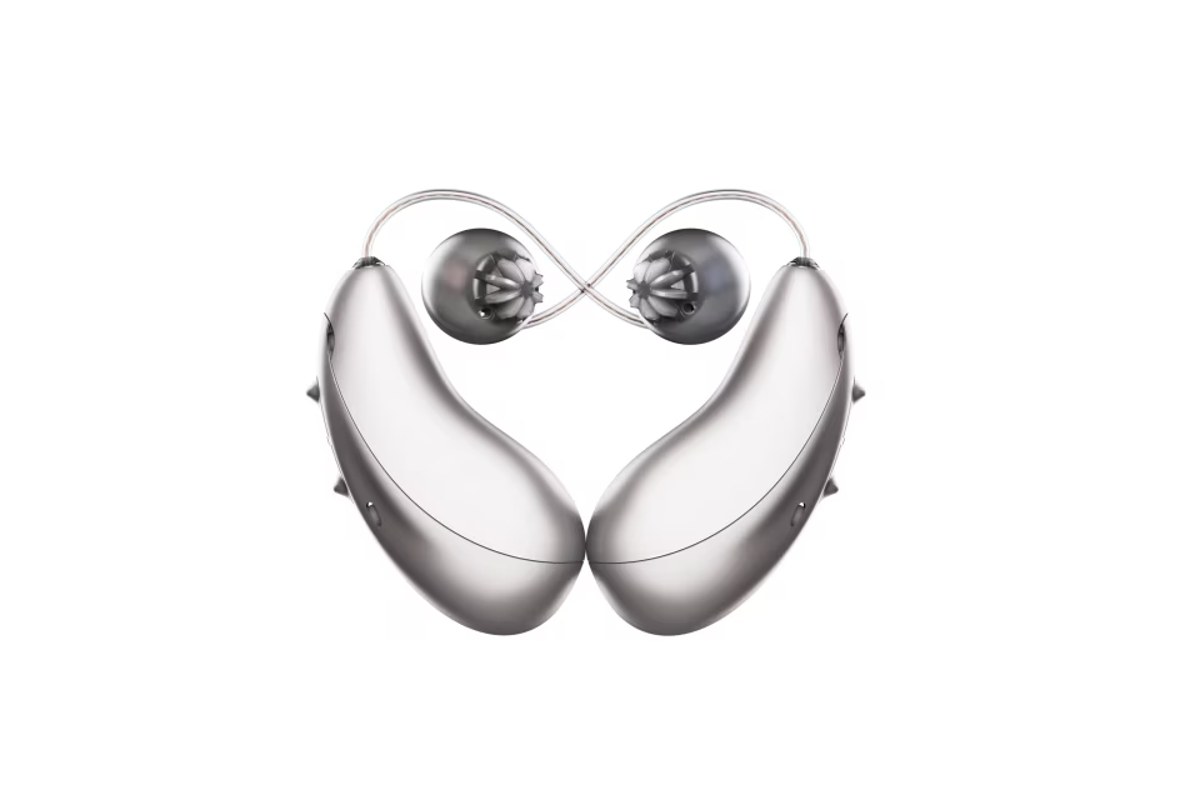
Current AI technology, assessed and fitted by Alto
Deep neural networks
Trained to recognise acoustic patterns associated with speech and noise.
Directional processing
Changes which parts of a room are prioritised as speech and noise move.
Measured fitting
Real Ear Measurements check the sound delivered by the hearing aids in your ears.
A plain answer
What is an AI hearing aid?
An AI hearing aid uses machine-learning models alongside conventional digital processing. Depending on the model, it may classify the sound around you, separate speech from background noise, steer its microphones towards a talker or provide an extra speech-in-noise programme.
It does not diagnose hearing loss, know which voice you personally want to hear or choose the correct acoustic fitting. Those decisions still come from the assessment, the conversation with your audiologist and careful verification after the hearing aids are fitted.
For a broader, editorial comparison, read our guide to the best AI hearing aids in 2026. This page focuses on the systems Alto can assess, compare and support through treatment.
What the processor is listening for
The words sound technical because the job is technical. These are the four main parts worth understanding.
Classification
The hearing aids analyse level, frequency pattern and modulation to estimate whether they are in quiet, speech, traffic, music or speech in noise.
DNN separation
A deep neural network has been trained on examples of speech and noise. It looks for those patterns in the incoming sound and treats them differently.
Beamforming
The microphones work together to favour sound from a chosen direction. Some systems narrow towards the front; others keep a wider listening area.
User control
Automatic processing can run in the background. Selected models also let the wearer call up a stronger mode or alter the balance through an app.
Three different strategies
AI hearing aids do not all listen in the same way
ReSound prioritises the person in front. Widex provides an on-demand clarity programme. Unitron is designed to keep speech available from several directions.
Front focus
ReSound Sensia
Clarity on demand
Widex Allure AI RIC
Wider speech access
Unitron Moxi S-RX
Those differences affect what you hear at a group meal, across a meeting table or when several people are speaking in a car.

ReSound Sensia
Follow the person you face
Sensia’s Intelligent All-Around combines AcoustIQ environmental classification, four-microphone beamforming and deep neural network noise reduction. Its distinguishing decision is to favour the talker directly in front of the wearer, even when a different voice elsewhere in the room is louder.
That could be useful at a group meal, where you naturally turn towards the person you want to follow. It is also more selective than a system designed to keep speech available from every direction.
Check the exact model: ReSound says Intelligent All-Around is limited to the top Technology Level 9 microRIE. Other Sensia technology levels and styles do not all provide the same flagship processing. UK range and availability also need confirming before recommendation.
Widex Allure AI RIC
Natural everyday sound, with Clarity Boost on demand
The W1 chip handles Allure’s everyday sound processing. Clarity Boost adds a separate AI-powered mode for noisier situations and can be started with a tap on the hearing aid or through the Widex Allure app.
This gives the wearer a deliberate choice. The usual programme can preserve the Widex sound character through most of the day, while Clarity Boost can be called up for a restaurant, meeting or family gathering.
What we would listen for: whether the extra focus improves speech without making the sound feel over-processed, and whether the wearer is comfortable activating it. Widex currently describes Auracast support as a future software and app update, so compatibility should be confirmed rather than assumed.
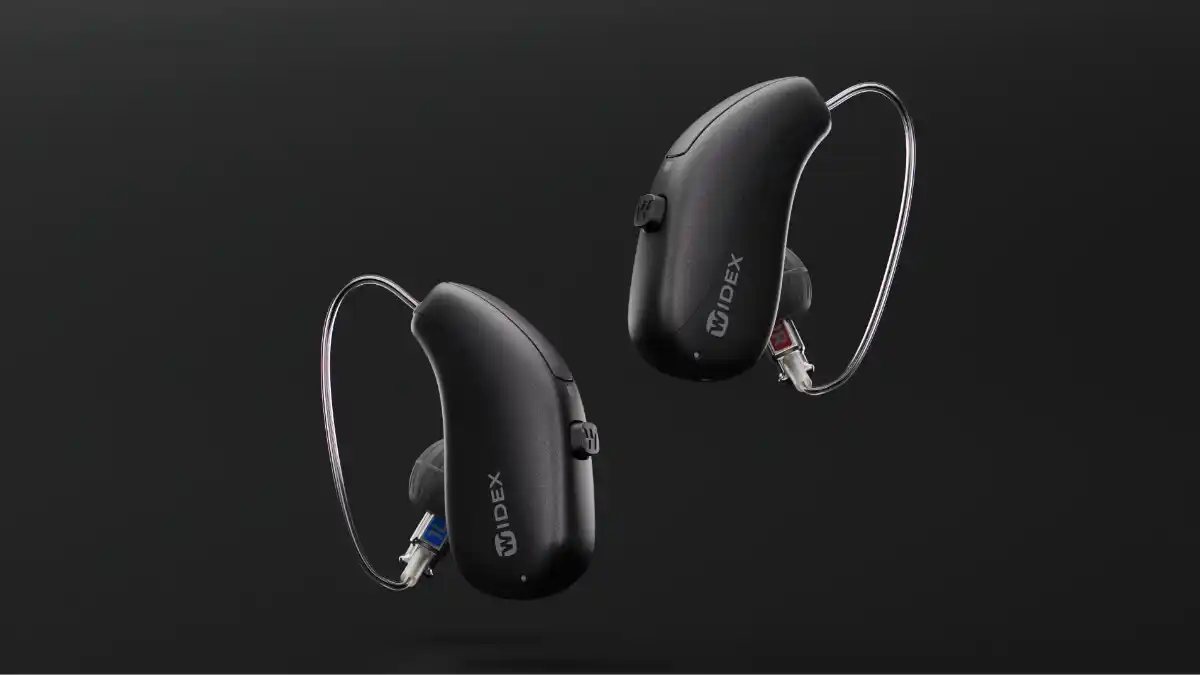

Unitron Moxi S-RX
Keep speech available from around you
SoundSonic360 uses Unitron’s dedicated DEEPSONIC DNN chip, guided by Integra OS. It detects speech patterns from multiple directions, preserves speech and reduces competing background sound. That is a different listening choice from narrowing heavily towards the front.
The Remote Plus app adds two AI-enabled programmes, SpeechSonic and NoiseSonic, plus an AI Noise Filter slider. Unitron’s Ratings feature also lets the wearer record feedback from the situation in which a problem happened.
Who may value it: someone who wants to follow several people around a table, uses different phone types or wants more control in difficult places. The app is useful only if it remains simple enough to use; the automatic fitting still has to work when the phone stays in a pocket.
Technology comparison
How the three systems differ
No scorecard can tell us which one you should wear. It can show what each system is trying to do.
| System | Main listening strategy | Control | Detail to check |
|---|---|---|---|
| ReSound Sensia | Favour the person directly in front | Automatic Intelligent All-Around processing | Flagship mode is restricted to Level 9 microRIE |
| Widex Allure AI RIC | Natural everyday processing with extra clarity when requested | Clarity Boost by device button or app | Sound preference and comfort with manual activation |
| Unitron Moxi S-RX | Preserve speech from several directions while reducing noise | Automatic processing plus app programmes and AI Noise Filter | Phone setup, app preference and acoustic fit |
What AI cannot decide
The processor is only one part of the fitting
The most advanced processor can still sound thin, boomy or sharp if the dome, vent, receiver or gain is wrong.
- Speech-in-noise ability: two people with similar audiograms can have very different QuickSIN results and need different technology.
- Dome, vent and receiver: an open dome may feel comfortable but leak useful low-frequency sound; a closed fitting can make the wearer’s own voice feel blocked or boomy.
- Ear health and wax: a blocked receiver, sore canal or poorly seated dome can undo careful programming.
- Phone compatibility: streaming, hands-free calls, apps and Auracast support vary by model, operating system and software version.
- Verification: Real Ear Measurements show whether the prescribed amplification is actually reaching the eardrum.
Read how Alto handles hearing-aid fitting and verification.

How Alto compares them
Start with your hearing, then choose the processor
- Measure hearing and speech clarity. A Complete Hearing Assessment gives us the audiogram, ear-health findings and speech information needed to recommend responsibly.
- Match the strategy to the difficult situation. Following one person across a table is not the same job as keeping several voices available around you.
- Choose the physical fitting. Receiver power, dome, custom tip, vent and retention all affect comfort and sound.
- Verify and review. We use objective measurements, listen to your feedback and make further adjustments through the treatment plan.
You leave with hearing aids fitted to measured targets, a clear explanation of the controls and follow-up already built into the plan.
Compare AI hearing aids with an Alto audiologist
Tell us where listening is difficult, which phones and devices you use, and what you want to improve. We will help you arrange the right assessment and decide which systems are worth comparing.
AI hearing aids: common questions
AI hearing aids are digital hearing aids that use machine-learning models alongside conventional processing. Depending on the model, the AI may classify the acoustic environment, separate speech from noise, steer microphone focus or provide an extra programme for difficult listening situations.
They can provide more precise speech and noise processing than basic hearing aids, but results depend on the person’s hearing, speech-in-noise ability, acoustic fitting and the strategy used by that model. We would want to measure hearing and understand the difficult situations before recommending one.
There is no useful winner without a hearing assessment. ReSound Sensia is designed to favour the person you face. Widex Allure AI RIC provides an on-demand Clarity Boost mode. Unitron Moxi S-RX is designed to preserve speech from several directions. The best match depends on how and where you listen.
No. The hearing aids can run their automatic processing without a smartphone. A compatible phone may be needed for streaming, app controls, remote support or model-specific features. We can check compatibility before you choose.
Some systems use app feedback or user choices to help personalise settings, but not every AI hearing aid learns in the same way. Unitron Ratings can capture feedback from a listening situation, while Widex and Unitron provide different forms of user control through their apps.
Yes. AI cannot choose the correct receiver, dome, custom tip, vent or prescription for your ears. At Alto, fitting includes verification with Real Ear Measurements and follow-up adjustments through the treatment plan.
Request a call back and tell us where listening is hardest for you. We will help you arrange a Complete Hearing Assessment and discuss which current or upcoming systems are sensible to compare. ReSound Sensia availability is subject to confirmation of the UK range.
Manufacturer information
Technical descriptions on this page have been checked against the official information for ReSound AI hearing aids, Widex Allure AI RIC and Unitron Moxi S-RX. Manufacturer claims still need clinical interpretation, and availability or compatibility can change.