


Did your hearing care include these checks?
You should know how your hearing aids were fitted, what they’re expected to help with and who to contact if you’re struggling.
They understood what you wanted to hear better.Your conversations, your daily life and what you wanted to improve.
Following your grandchildren at dinner is a different challenge from hearing a colleague across a desk. Your audiologist should ask about the situations you find difficult and use that information to guide your care. Agreeing a few specific goals gives you something to review later.
Ask your audiologist
Can we agree what we want to improve, then check it at my follow-up?
They explained your results and your options.You knew why those hearing aids were recommended for you.
Your assessment should include your ear health and an explanation of the findings. Further tests or a medical referral may be needed. If conversation in noise is your main concern, ask how that has been assessed. You should understand the benefits, limits and costs of your options before deciding.
Alto’s Complete Hearing Assessment includes speech-in-noise testing. We explain our recommendations in relation to your hearing and the situations you want help with.
Ask your audiologist
Why would you recommend this option for my hearing and daily life?
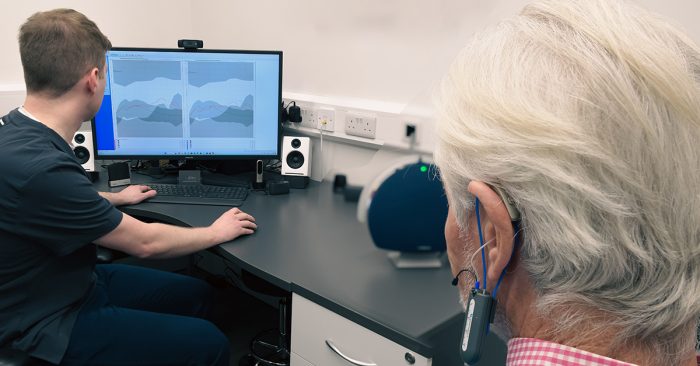
They measured the sound in your ears.Real-ear measurements checked the fitting, or an appointment was agreed.
The software calculates starting settings. Real-ear measurements (REMs) check the sound your hearing aids deliver in your own ears, using a thin probe tube alongside each aid. The results help your audiologist adjust the fitting against a recognised prescription. Asking whether the volume feels comfortable doesn’t give the same information.
REMs are included in every Alto treatment plan, normally at fitting or the first follow-up. The timing can vary; they aren’t reserved for more expensive plans.
Ask your audiologist
Have my hearing aids been checked with real-ear measurements? If not yet, when?
They checked comfort and helped you use the aids.You practised putting them in and knew how to look after them.
You should have time to put your hearing aids in, take them out and try the controls yourself. Ask for help with charging, cleaning and phone calls where relevant. Tell your audiologist if an aid hurts, feels loose or catches on your glasses. These things can make the difference between wearing the aids and leaving them in a drawer.
Ask your audiologist
Can I try that myself before I go?
They explained what to expect.You knew what might take time and when to ask for an adjustment.
Hearing aids can help you hear speech and take part in conversations, but they don’t restore normal hearing. Busy places can still be difficult. Your audiologist should explain what’s realistic for you, discuss other help where needed, and give you a plan for getting used to the aids. Pain or sound you can’t tolerate deserves attention.
Ask your audiologist
What should I expect over the next few weeks, and when should I contact you?
They reviewed how much the aids helped.Your follow-up returned to the difficulties you raised at the start.
A follow-up should cover more than cleaning the aids. Has dinner with the family become easier? Are you managing better at work? Your audiologist should review progress, ask about problems and agree what to do next. Some people need further adjustments or extra support.
Alto normally arranges two initial follow-ups, with more where needed. Our ongoing aftercare includes six-monthly reviews.
Ask your audiologist
When will we review whether the treatment has helped with the things I struggle with?
Not sure about one of these? Ask your audiologist what’s been done and what’s planned. Some checks happen behind the scenes, and your care may be spread over several appointments. A missing tick doesn’t tell the whole story.
Know someone who wears hearing aids?
What you can expect at Alto
Our hearing aid treatment plans include fitting and follow-up care. We’ll explain what happens at each stage.
- A detailed assessmentOur Complete Hearing Assessment includes speech-in-noise testing.
- REMs in every treatment planNormally at fitting or your first follow-up.
- Time to get the fitting rightNormally two initial follow-ups, with more where needed.
- Ongoing aftercareSix-monthly reviews as part of your treatment plan.
Still struggling with your hearing aids?
If your hearing aids have stopped working or sound muffled, our hearing-aid troubleshooting guide explains what you can safely check and when to get help.
Tell us what’s happening. We’ll help you arrange the right appointment and explain the costs before you book.
Request a call backAbout this checklist
Hearing aid best practice covers assessment, fitting, support and checking the benefit of treatment. These six checks focus on what patients can ask about. They aren’t a complete technical standard or a test of an individual clinician.
UK guidance: British Society of Audiology guidance on fitting verification. Measurements should inform the fitting alongside patient feedback and clinical judgement.