

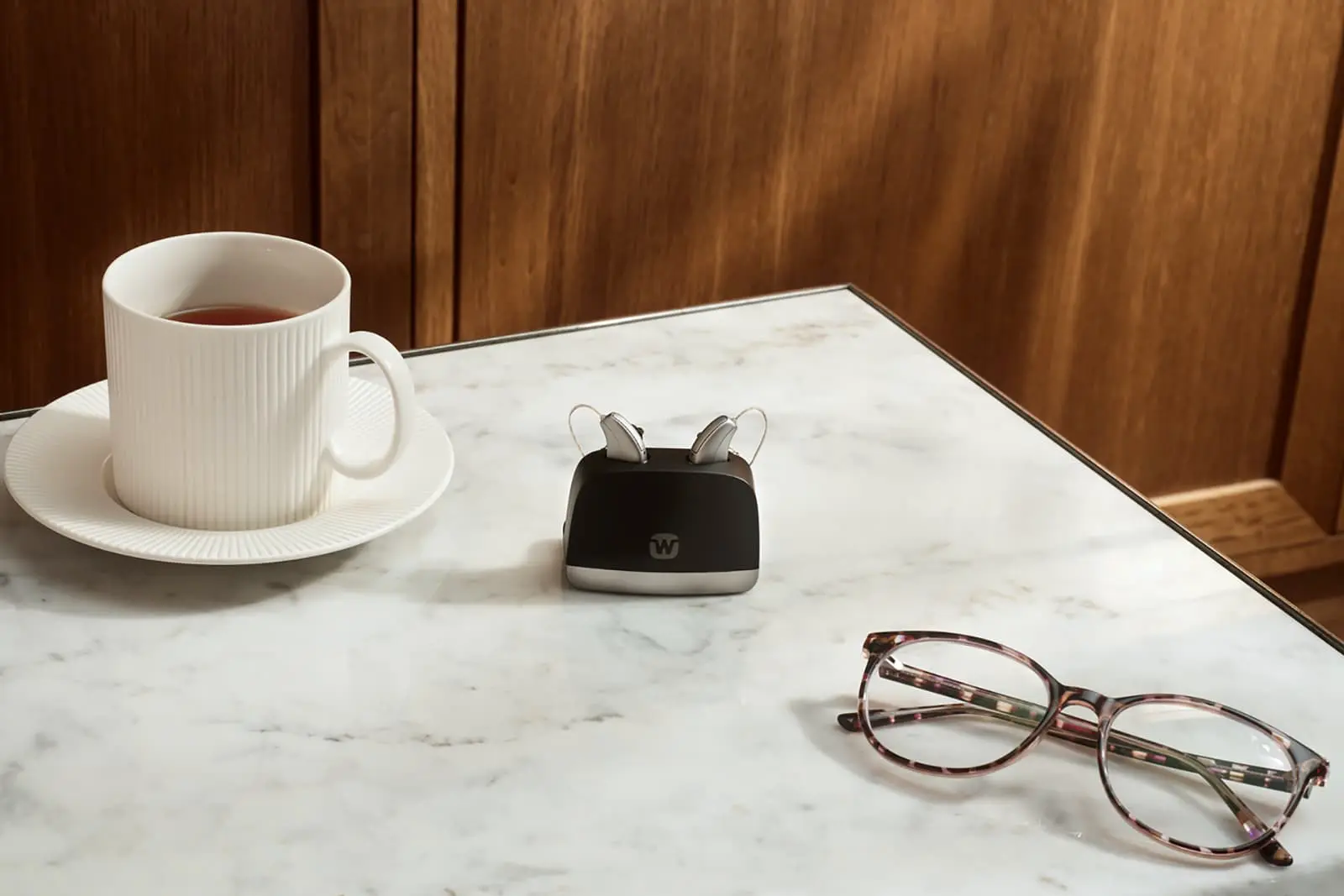
New hearing aids can be a bit of a shock.
You expect speech to be clearer. Then the kettle sounds loud, paper rustles too much, your footsteps seem obvious, and your own voice does not feel quite like yours. Some people describe the sound as tinny. Some say hollow. Some say sharp. Others just say, “I can hear more, but it does not sound normal yet.”
That complaint is worth taking seriously. Sometimes it settles as the brain gets used to hearing more detail again. Sometimes the hearing aids need adjusting. Sometimes the dome, vent, receiver or earmould is the problem. And sometimes, especially with open-fit hearing aids, the issue is timing.
Widex PureSound earns a mention here for one reason: it tackles timing. In some open-fit hearing aids, natural sound and amplified sound arrive slightly out of step, and that can leave an artificial edge.
What we would tell someone in clinic
A new hearing aid fitting is not like putting on new glasses. The sound often needs time, but “give it time” should never be used to dismiss a poor fitting.
If the sound is unfamiliar but wearable, that may be part of the hearing aid adjustment period. If it is harsh, hollow, uncomfortable, unclear or so irritating that you avoid wearing the aids, it needs looking at.
Jump to:
The sounds people notice first
In clinic, the comments are often very specific.
- “My voice sounds too big.”
- “Everything is a bit sharp.”
- “I can hear the fridge now, and I hate it.”
- “The hearing aids help, but they do not sound like my ears.”
- “Restaurants are still hard, but now everything else is louder too.”
Those comments tell us more than simply saying the aids sound strange. They point us towards what needs checking.
Your own voice sounds boomy or blocked
This can point to occlusion, dome choice, venting or low-frequency settings. We would check the physical fit, dome or mould, vent size and own-voice comfort.
Speech sounds sharp or scratchy
This can be too much high-frequency gain, normal reintroduction of sound, or both. We would check Real Ear Measurements, comfort settings and the adaptation plan.
Sound feels hollow or metallic
This can point to open-fit delay effects, dome acoustics or programme choice. We would check the venting, receiver, programme setup and whether low-delay processing belongs in the fitting.
Background noise is tiring
This may be a noise programme issue, a directionality issue, unrealistic expectations or a genuine speech-in-noise difficulty. We would check the fitting accuracy and listening goals.
You keep turning them down
The fitting may be too much, too soon, or not comfortable enough. We would check acclimatisation settings, gain, compression and the follow-up plan.
This is why a hearing aid review should not be vague. “They sound funny” needs translating into a practical fitting problem.
Why the brain reacts like this
Most adult hearing loss creeps in. You do not wake up one morning missing half the consonants. You adapt. Family members repeat themselves. The television goes up a little. Restaurants become harder. Soft sounds fade into the background.
Then hearing aids put detail back into the room.
The brain notices. Cutlery, footsteps, running water, paper, traffic and your own voice may all seem more obvious than they should. That does not always mean the hearing aids are set badly. It may mean the brain is paying attention to sounds it has been ignoring for years.
There is still a limit. Adaptation should feel manageable. If the sound makes you avoid the hearing aids, the plan needs changing. Wearing aids for ten minutes a day because they are unbearable is not an adjustment period. It is a failed start.
When the fitting needs work
Some advice online makes this too simple: wear them more and your brain will catch up. Sometimes that is true. Sometimes it is not.
Often settles
- Soft sounds feel more noticeable
- Your own voice feels different but tolerable
- Listening feels tiring after long periods
- You are aware of the hearing aids, but can still wear them
Needs checking
- Sound is painful, harsh or constantly irritating
- Your voice is so uncomfortable that you stop talking
- Speech is still unclear, even though everything is louder
- The aids whistle, move, rub or make the ear feel blocked
At Alto, we would want to know whether the hearing aids have been verified with Real Ear Measurements. Without that, you are partly guessing. The software prediction may be close. It may not be. The ear canal decides what actually reaches the eardrum.
The open-fit timing problem
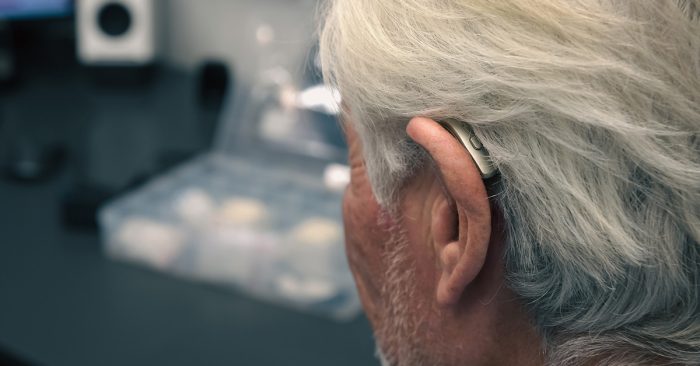
Open-fit hearing aids are common for mild to moderate high-frequency hearing loss. They let natural sound into the ear canal while the hearing aid adds the missing detail.
That is usually a good thing. It keeps the ear from feeling blocked and often makes your own voice easier to tolerate.
But open fittings also create a timing problem.
Some sound reaches the eardrum directly through the open dome or vent. The same sound is also picked up by the hearing aid microphones, processed by the chip, and played back into the ear canal a fraction later.
Those two versions of the sound can clash. Audiologists call this a comb-filter effect. Patients call it tinny, hollow, metallic or not quite right.
The more natural low-frequency hearing you still have, the more this can matter. That is one reason two people can wear similar hearing aids and describe the sound very differently.
What Widex PureSound changes
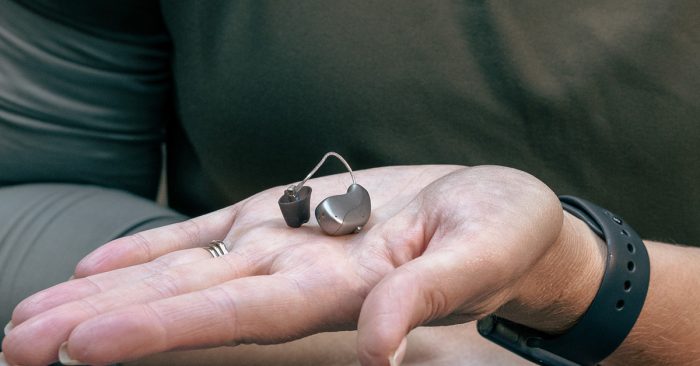
Widex PureSound tackles the timing issue.
Widex Pro says ZeroDelay technology delivers sound in under 0.5 milliseconds. The current Widex Allure material describes Allure PureSound as tailored to new wearers and others with mild hearing loss. Widex’s UK Allure app page describes PureSound as tailored to people with mild and moderate hearing loss.
Less delay means the natural and amplified sounds arrive closer together. In an open fitting, that can make the sound feel cleaner and less artificial.
The research behind this is not a blanket claim that everyone should wear Widex. It is narrower. Studies on hearing aid delay in open-fit devices found that very short delays are more relevant for listeners with milder hearing loss and better low-frequency hearing. That is exactly the group where open domes are common and direct sound is still reaching the ear.
Our take: we would consider PureSound when someone with an open or vented fitting says the sound feels artificial, hollow or slightly out of sync. If the main problem is speech in noise, poor audibility, feedback, wax, discomfort or a rushed first fitting, the fitting needs reviewing before PureSound becomes the focus.
Who tends to notice PureSound most
PureSound is most likely to be noticed by people who still hear a fair amount naturally and dislike the artificial edge that amplification can add.
New wearer with mild to moderate loss
Sound quality in the first few weeks can make or break acceptance. We would still check whether an open fit gives enough speech detail.
Open or vented RIC user
Direct and amplified sound mix in the canal, so delay can be heard as colouration. Dome, venting, receiver and measured output still need checking.
Music lover or sound-sensitive listener
Small changes in tone and timing are often more noticeable. Separate music or everyday programmes may still be needed.
Our guide to music and hearing aids covers listening through speakers, playing instruments and streamed music.
Someone who disliked previous aids
If the complaint was “too digital” or “not natural”, low delay may help. We would still want to know whether the old fitting was properly verified.
Mild hearing loss with tinnitus
Comfortable sound can make amplification easier to wear for longer. Tinnitus needs, sound therapy, counselling and wearing pattern still need proper discussion.
These checks are not small print. PureSound does not remove the need for clinical fitting. It only makes sense if the rest of the fitting is sound.
When PureSound is not the answer
We would not start with PureSound in several situations.
- The hearing loss needs a more closed fitting.
- Low-frequency hearing is poorer, so open domes are not doing enough.
- The main problem is speech in busy places.
- The hearing aids are uncomfortable or unstable in the ear.
- There is wax, irritation or another ear-health issue affecting the sound.
- The aids have never been measured in the ear.
In those cases, changing programme may miss the real issue. The answer might be a different dome, a custom tip, a different receiver, a more structured adjustment period, speech-in-noise testing, or a more suitable hearing aid altogether.
What Alto would check

If someone came to Alto and said, “I tried hearing aids and they sounded awful,” we would not start with a brand recommendation.
We would want to know:
- What did “awful” mean: sharp, boomy, hollow, loud, unclear or uncomfortable?
- What does the hearing test actually look like?
- Were the ears clear of wax?
- Was the fitting open, vented, closed or custom?
- Were Real Ear Measurements used?
- Was there a follow-up plan, or were the hearing aids simply handed over?
- Was the problem sound quality, or was it mainly speech in noise?
Those answers usually decide the next step. Sometimes they lead towards Widex and PureSound. Sometimes they point to a different adjustment. Sometimes they show the hearing aids were never fitted properly in the first place.
A good result is not just a more natural sound on day one. It is hearing aids that are comfortable enough to wear, clear enough to help, and supported properly when the first fit is not quite right.
What to do if they still sound wrong
If you are only a day or two into wearing hearing aids, keep notes rather than judging everything at once. Write down what sounds wrong, where it happens, and whether it improves as the day goes on.
If you have worn them consistently and still dislike the sound, ask for a review. Be specific. “Tinny”, “boomy”, “hollow”, “too sharp”, “blocked” and “clearer but uncomfortable” all point in different directions.
If you are comparing new hearing aids and natural sound is a major priority, Widex is a sensible brand to ask about. PureSound is one reason for that. The fitting still matters more than the name on the case.
Related Alto guides
If hearing aids have put you off before, it is worth finding out why.
At Alto Hearing, we can look at your hearing, your ears, your previous fitting experience and whether another fitting plan, including Widex PureSound in the right case, would make sense.
Frequently Asked Questions
Why do new hearing aids sound strange?
New hearing aids can sound strange because your brain is hearing sounds it has been missing, your own voice feels different, the physical fitting may need refining, or the hearing aid processing may be interacting with natural sound in an open fitting.
Is it normal for hearing aids to sound tinny at first?
A brighter or sharper sound can be normal at first, especially if high-frequency sounds have been missing for a long time. But a persistent tinny, hollow or uncomfortable sound should be reviewed rather than ignored.
How long does it take for hearing aids to sound normal?
Some people adapt within days. Others need several weeks of consistent use and follow-up adjustments. If the hearing aids are so uncomfortable that you cannot wear them, waiting alone is not the answer.
What is Widex PureSound?
Widex PureSound is a low-delay listening programme using Widex ZeroDelay technology. It aims to reduce the timing mismatch between natural sound and amplified sound, especially in open or vented fittings.
Who is Widex PureSound best for?
PureSound usually has most value for people with mild to moderate hearing loss who can use open or vented fittings and care strongly about natural sound quality. It often suits new wearers or people who disliked an artificial hearing aid sound in the past.
Will Widex PureSound help severe hearing loss?
PureSound is less likely to be the main answer for more severe hearing loss, especially if a closed fitting, more gain or stronger noise management is needed. Widex may still be suitable, but the fitting plan matters more than PureSound alone.
Does PureSound replace Real Ear Measurements?
No. PureSound is a programme. Real Ear Measurements are a fitting check. REMs show what sound is reaching your eardrum and help the audiologist adjust the hearing aids accurately.
What should I tell my audiologist if my hearing aids sound wrong?
Use plain descriptions. Say whether the sound is tinny, boomy, hollow, sharp, blocked, too loud, unclear or uncomfortable. Also say where it happens and whether it changes during the day. That information helps the audiologist adjust the fitting more precisely.