

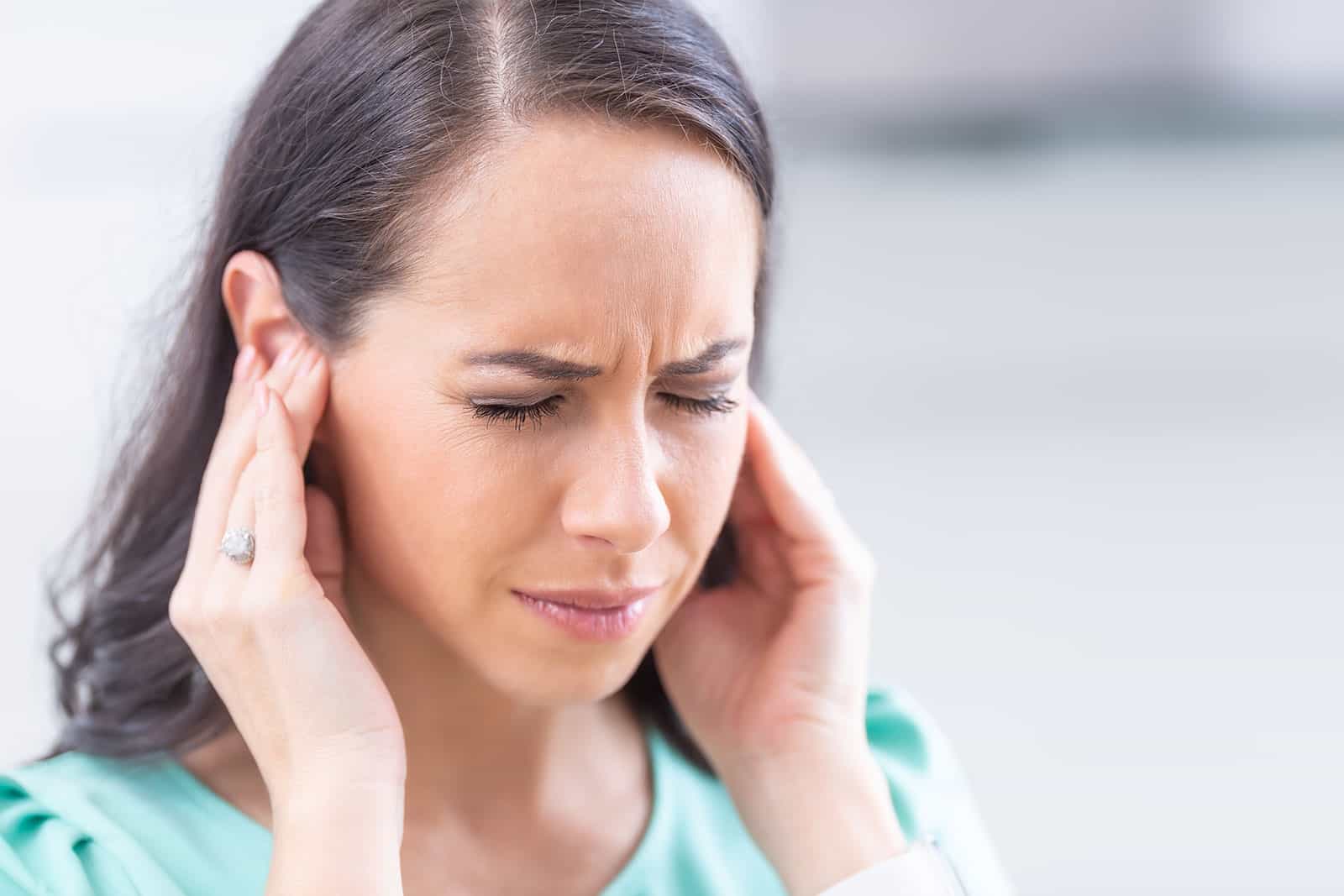
Tinnitus is hearing a sound that is not coming from the room around you. It may be a ring, buzz, hiss, whistle, hum, pulse or high-pitched tone.
For some people it sits quietly in the background. For others it affects sleep, concentration and confidence. The first step is to check the usual contributors: hearing changes, ear health, noise exposure, stress, sleep, medication and symptoms that need medical advice.
At Alto, tinnitus support starts with the ears and hearing. We check your ear health, measure your hearing, and explain whether hearing loss may be involved. If the main problem is severe distress, sleep disruption, anxiety or something outside audiology, we will say so clearly.
Clinically reviewed by Adam Bostock, Audiologist. Last reviewed 13 May 2026.

When tinnitus needs urgent help
Most tinnitus is not an emergency, but some symptoms should not wait for a routine hearing appointment.
Seek medical advice quickly if tinnitus starts with sudden hearing loss, rapidly worsening hearing, dizziness, ear pain, discharge, facial weakness, one-sided symptoms, or a pulsing sound in time with your heartbeat.
If tinnitus is making you feel unsafe, unable to cope, or at risk of harming yourself, seek urgent help through NHS 111, your GP, emergency services or a crisis support service.
Table of Contents
The short version
- Tinnitus is common and commonly linked with changes in hearing.
- It can also be linked with wax, infection, middle-ear pressure, noise exposure, medication, stress or poor sleep.
- A hearing check helps separate ear-health problems from hearing loss and other factors.
- When hearing loss is present, well-fitted hearing aids can be one of the most useful ways to reduce how intrusive tinnitus feels.
- When tinnitus is causing severe distress, tinnitus-focused CBT or psychological support may be more important than hearing technology.
What does tinnitus sound like?
Tinnitus does not sound the same for everyone. It may be steady, pulsing, intermittent, soft, sharp, low, high, simple or layered. Some people only hear it in quiet rooms. Others notice it most when they are tired, stressed or trying to sleep.
Common descriptions
- ringing
- buzzing
- hissing
- whistling
- humming
- pulsing
Patterns to notice
- one ear or both ears
- sudden or gradual onset
- pulsing or non-pulsing
- linked with hearing changes
- worse in silence or after noise
- affecting sleep or mood
Loudness is only one part of it. Sleep, stress, silence, attention and listening difficulty all change how intrusive tinnitus feels.
What causes tinnitus?
Tinnitus is not usually a disease by itself. It is more often a sign that something has changed in the ear, the hearing system, or the way the brain is responding to sound.
The common links are practical ones: hearing loss, earwax, middle-ear pressure, infection, loud noise exposure, some medicines, stress, poor sleep, jaw tension or neck tension. Sometimes more than one factor is involved.
That does not mean tinnitus is imaginary. The sound feels real because the hearing system and brain are producing a real perception of sound. Assessment helps identify whether there is an ear or hearing issue that can be treated or supported.
If your ears feel blocked, our ear wax removal page explains how we check for wax and what happens if wax is not the full explanation. If you have noticed wider hearing changes, our guide to hearing loss explains the signs and common causes.
Why hearing is often involved
Tinnitus can become more noticeable when the brain is receiving less useful outside sound than it expects. That can happen with gradual hearing loss, wax blockage, middle-ear problems or long-term noise exposure.
In quiet rooms, tinnitus has less outside sound to compete with. In busy places, the effort of following speech may leave tinnitus feeling more intrusive.
Tinnitus and hearing loss are worth checking together. If you can hear sound but speech has become less clear, the issue may be more about lost detail than volume. Our hearing loss simulator shows why speech can become harder even when voices are still audible.
What can help tinnitus?
There is no single tinnitus treatment that suits everyone. What helps depends on ear health, hearing results, medical history, sleep, stress, sound sensitivity and how much tinnitus is affecting daily life.
1. Check the ears and hearing
If tinnitus is new, persistent or bothersome, checking ear health and hearing is the best starting point. Wax, infection, middle-ear pressure and hearing loss can all change how much tinnitus is noticed.
If you are unsure where to start, SoundCheck can give you a simple first look at your hearing. If tinnitus is persistent, one-sided, complicated or affecting daily life, book a Complete Hearing Assessment.
2. Use hearing aids where hearing loss is present
Hearing aids do not cure tinnitus. That is the wrong promise. But when hearing loss is present, well-fitted hearing aids can be very helpful.
They give the brain more access to everyday sound, improve speech clarity and reduce listening strain. For some people that makes tinnitus less intrusive. The fitting matters, especially if sound sensitivity or listening fatigue are involved. Read more about hearing aid fitting and verification.
3. Add gentle sound where silence makes tinnitus louder
Some people notice tinnitus most in quiet rooms or at night. Gentle background sound can reduce the contrast between tinnitus and silence. That might be a sound app, quiet radio, natural sounds, a fan, or sound features in hearing aids.
The aim is not always to drown tinnitus out. Gentle background sound gives the tinnitus less empty space, especially at night.
4. Get psychological support when tinnitus is distressing
When tinnitus is causing significant distress, anxiety, low mood or sleep disruption, hearing care alone may not be enough. Tinnitus-focused cognitive behavioural therapy can help some people change their response to tinnitus, even if the sound itself does not disappear.
This should be delivered by an appropriately trained professional. If tinnitus is affecting your mental health, that is a valid reason to ask for proper support.
How Alto can help
Alto Hearing is not a psychological tinnitus therapy service, and we do not position ourselves as a cure clinic for tinnitus. We approach tinnitus through ear health, hearing assessment and practical hearing support.
We can check your ear health, measure your hearing and explain whether hearing changes may be contributing. If hearing loss is present, that may include carefully fitted hearing aids and ongoing hearing aid aftercare.
If tinnitus is mainly linked with distress, trauma, anxiety, sleep disruption or a medical concern outside our scope, we will explain that and recommend you speak to your GP or a suitably qualified professional.
Start with your hearing
If tinnitus has appeared alongside hearing difficulty, start by finding out what your hearing is doing. That is more useful than buying devices online or trying treatments that may not fit your situation.
When another route may be better
Some tinnitus enquiries should go through a GP, ENT, mental health professional or specialist tinnitus service. This is especially true if tinnitus is pulsatile, one-sided, linked with sudden hearing changes, or causing severe distress.
Audiology can still help when hearing loss is involved. If hearing is normal and tinnitus is mainly distress-led, psychological support may matter more than hearing aids.
Frequently asked questions
What is tinnitus?
Tinnitus is hearing a sound that is not coming from an external source. It may sound like ringing, buzzing, hissing, whistling, humming or pulsing. It can affect one ear, both ears, or feel as though it is in the head.
Is tinnitus linked to hearing loss?
Yes, it can be. Tinnitus is commonly associated with hearing loss or changes in the hearing system. It can also be linked with wax, infection, middle-ear problems, noise exposure, stress, medication or other medical factors.
Can hearing aids help tinnitus?
Hearing aids can be useful for tinnitus when hearing loss is present. They improve access to everyday sound and reduce listening strain. They are not a guaranteed cure, and they are not normally used for tinnitus where there is no hearing loss.
Can tinnitus be cured?
Tinnitus does not have one treatment that works for everyone. Management usually means identifying contributors and reducing how intrusive the sound feels. Hearing aids, sound enrichment, ear health treatment and tinnitus-focused CBT all have a role in selected cases.
When should I seek medical advice for tinnitus?
Seek medical advice if tinnitus is sudden, one-sided, pulsing in time with your heartbeat, linked with sudden hearing loss, dizziness, ear pain, discharge, facial weakness or severe distress. Sudden hearing loss should be treated as urgent.
Can Alto Hearing help with tinnitus?
Alto Hearing can assess your ear health and hearing, explain whether hearing changes may be contributing, and discuss options such as hearing aids when hearing loss is present. We are not a psychological tinnitus therapy service, and we will signpost if another route is more suitable.
Useful related pages
Sources
Sources checked May 2026: NHS tinnitus guidance, NICE tinnitus assessment and management guidance, Tinnitus UK guidance on hearing aids, and Tinnitus UK guidance on CBT for tinnitus.