

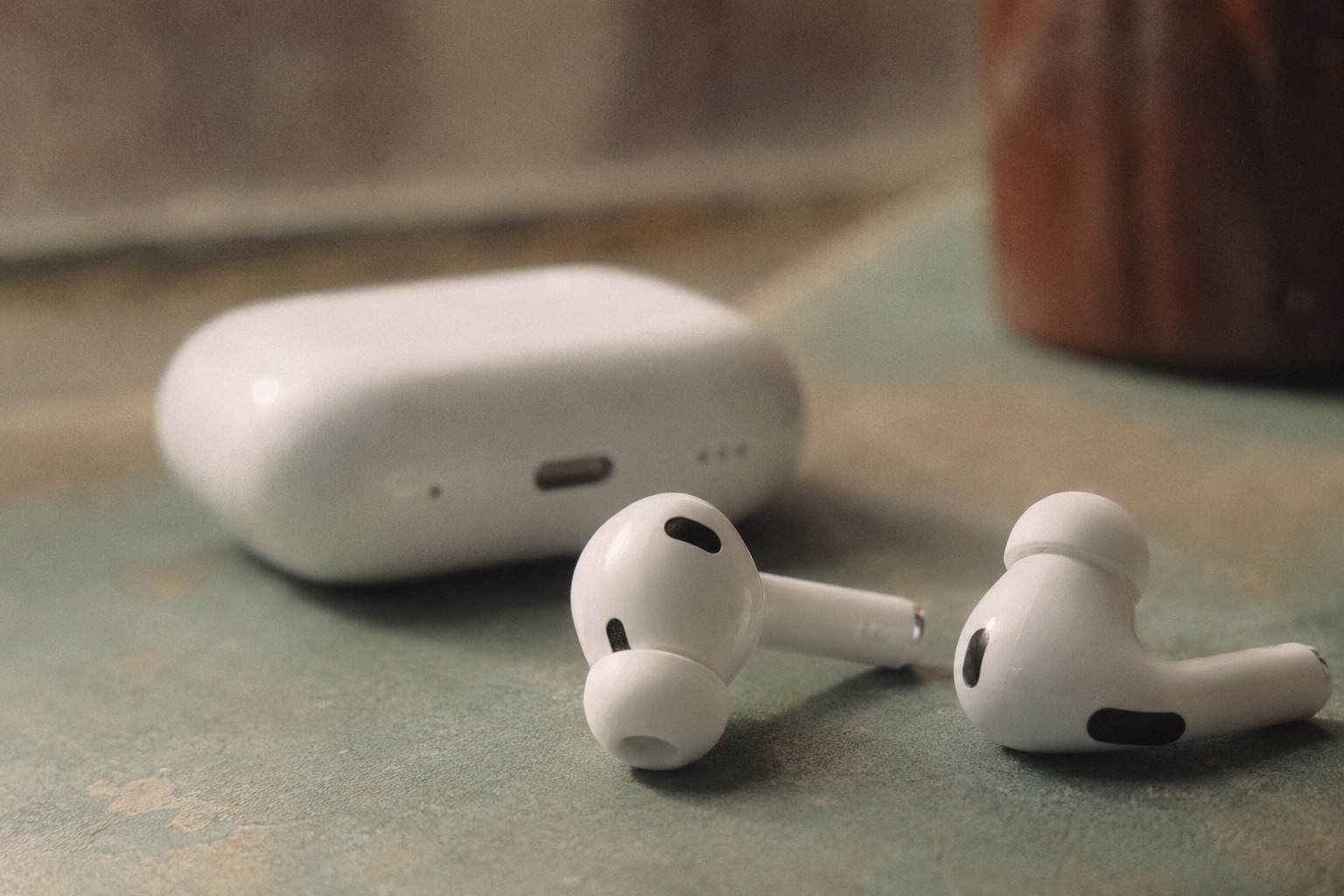
Apple has changed the hearing-aid conversation. A few years ago, the idea of an Apple hearing aid was mostly speculation. Now, compatible AirPods Pro models include a regulated Hearing Aid feature designed for adults with perceived mild to moderate hearing loss.
That is a big shift. It puts hearing support inside a device millions of people already understand, already own, and are happy to wear in public.
But it also creates a practical question: if AirPods Pro can work as hearing aids, do you still need a hearing test, an audiologist or professionally fitted hearing aids?
The answer depends on what is happening with your ears.
Quick answer: AirPods Pro can be useful for some adults with mild to moderate hearing loss, especially if they want to try hearing support in a familiar device. They are not a replacement for proper ear health checks, diagnostic hearing testing, professional fitting, verification or ongoing audiology care. If your hearing has changed suddenly, one ear is worse, or you have pain, discharge, dizziness or sudden tinnitus, do not rely on AirPods. Get medical or clinical advice.
Clinically reviewed by Adam Bostock, Audiologist. Last reviewed 12 May 2026.
Is there an Apple hearing aid?
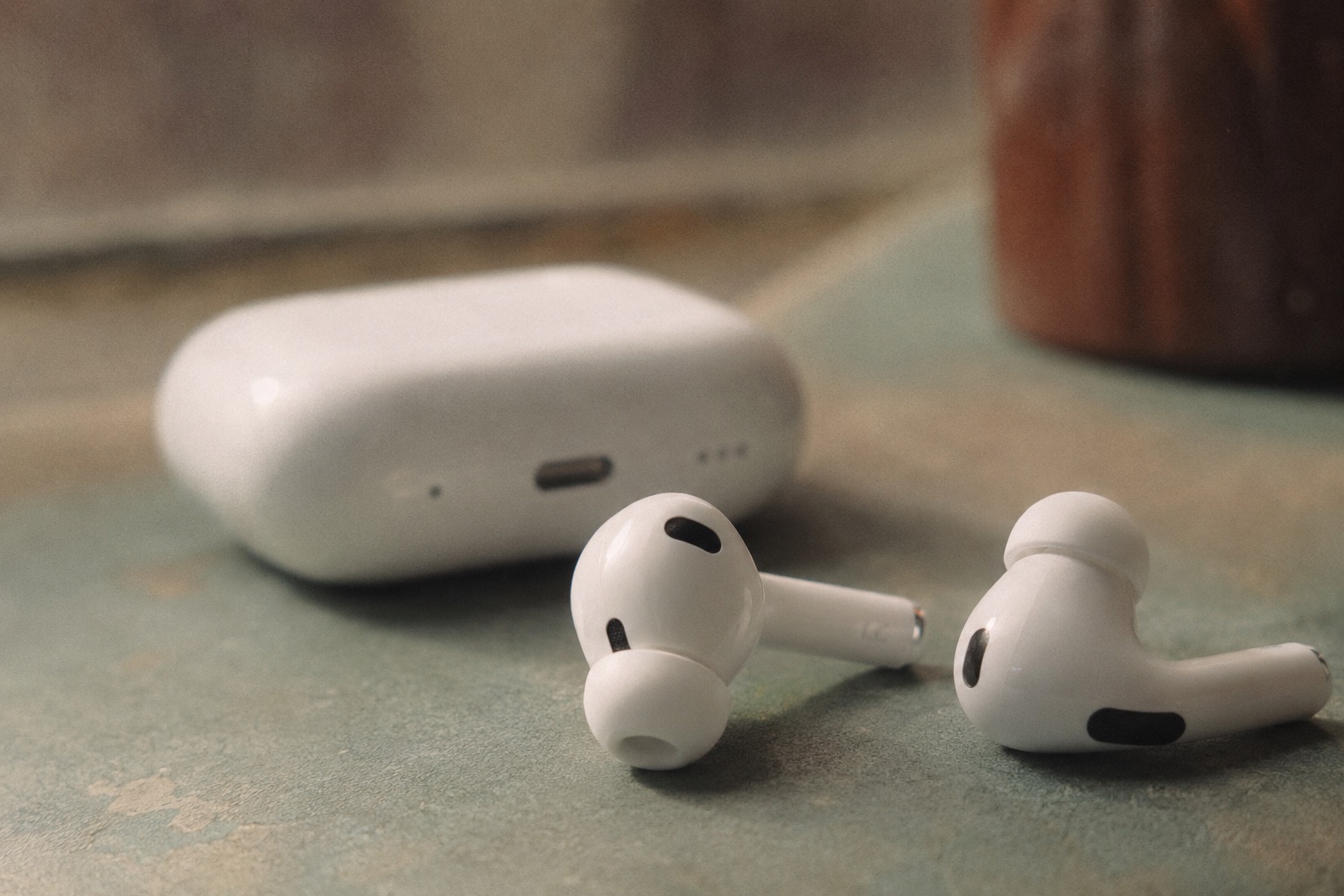
There is not a separate Apple hearing aid in the traditional sense. Apple has not launched a behind-the-ear or custom in-the-ear hearing aid like the devices you would usually see in an audiology clinic.
What Apple has done is different. AirPods Pro 2 and AirPods Pro 3 support hearing health features that include a Hearing Test and a Hearing Aid feature, depending on software, region and device compatibility.
Apple describes the Hearing Aid feature as clinical-grade support for adults with perceived mild to moderate hearing loss. Apple also explains that the feature can use either Apple’s own Hearing Test or an existing audiogram from a hearing healthcare professional.
In the United States, the FDA authorised Apple’s Hearing Aid Feature as the first over-the-counter hearing aid software device in 2024. In the UK, Apple announced that the Hearing Aid feature for AirPods Pro 2 became available in February 2025.
If you want the wider picture on self-fit and direct-to-consumer hearing devices, read our guide to OTC hearing aids in the UK.
So yes, AirPods Pro can now act as hearing support for some people. That does not mean they are the right answer for every hearing problem.
How the AirPods hearing aid feature works
The process starts with hearing data. You can take Apple’s Hearing Test using compatible AirPods Pro and an iPhone or iPad, or you can use hearing test results from a clinician.
Apple’s Hearing Test plays tones at different frequencies and volumes. At the end, you see a result for each ear and a hearing profile. If the results suggest mild to moderate hearing loss, the Hearing Aid feature can use that profile to adjust sound through the AirPods.
Apple says the test should be done somewhere quiet, with a good ear tip seal and clean AirPods. It also notes that results may be affected by things such as a recent cold, sinus infection, ear infection, allergies or recent loud noise exposure.
Who AirPods hearing aids may help
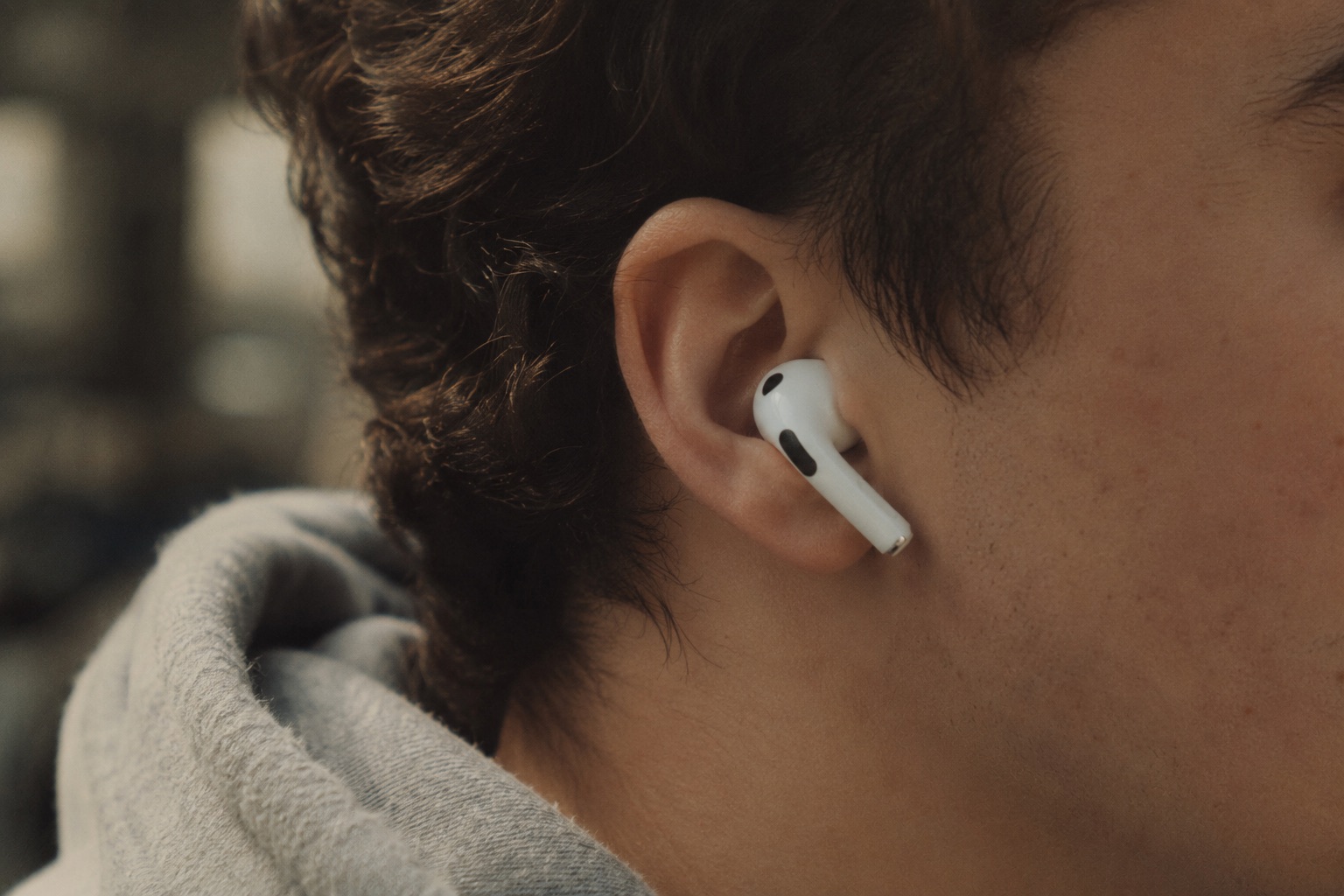
AirPods Pro may be useful if your hearing difficulty is mild, gradual and fairly even between the ears.
They may suit someone who:
- is over 18
- has noticed gradual difficulty with conversation, TV or softer speech
- does not have pain, discharge, dizziness or sudden tinnitus
- is comfortable using an iPhone or iPad
- already wears AirPods Pro comfortably for reasonable periods
- wants to try hearing support before committing to a full hearing-aid route
For these people, AirPods may lower the barrier to doing something about hearing. That is a good thing. Many people wait years before asking for help, and anything that makes hearing support feel less loaded deserves attention.
Where AirPods can be useful
The strongest case for AirPods is familiarity. They are already used for calls, music, podcasts, video and everyday listening. Turning hearing support on in a familiar device feels less like becoming a “hearing-aid wearer” and more like using a feature you already have.
They may be useful for:
- hearing speech more clearly at home
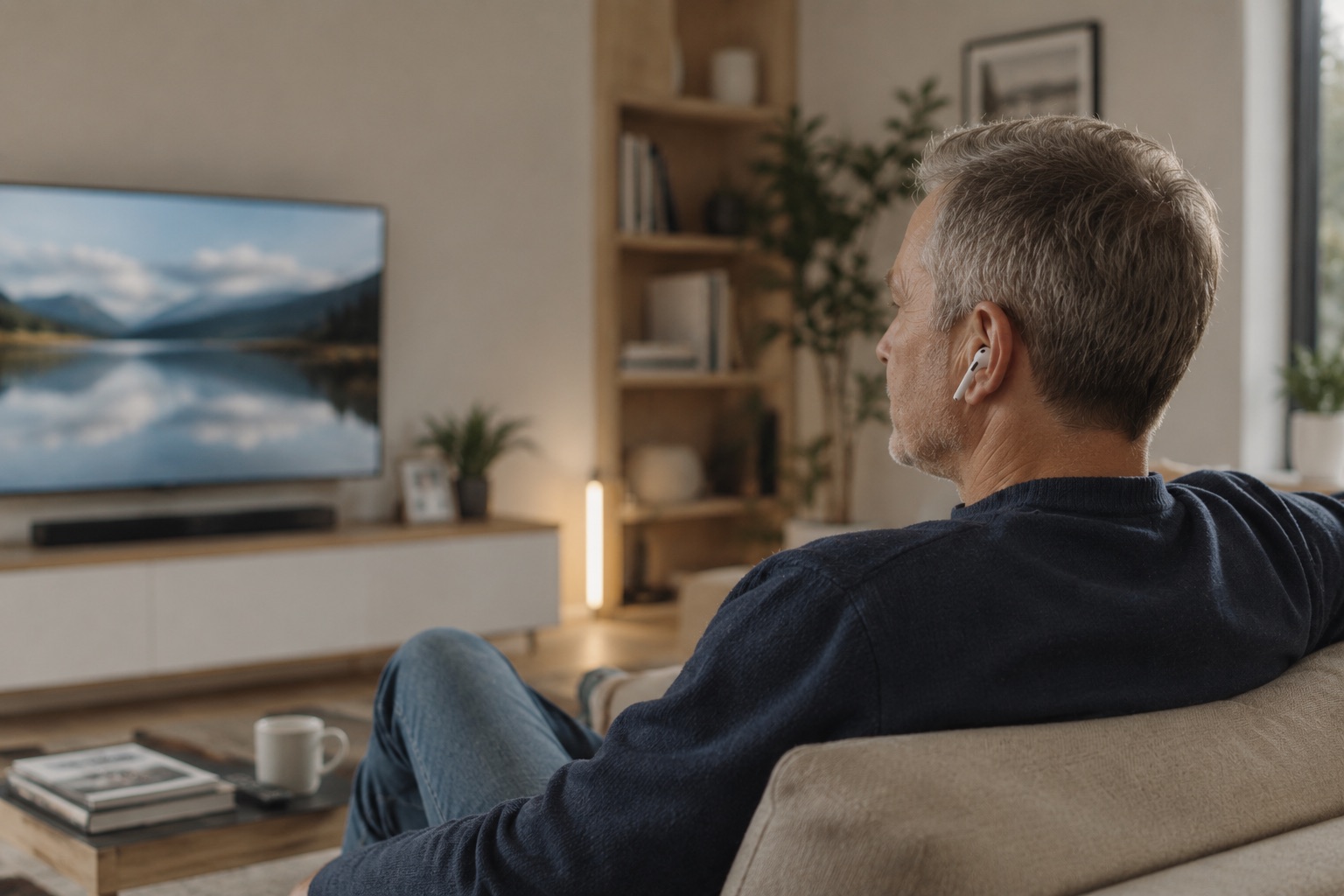
- watching TV at a more comfortable volume
- trying personalised sound based on a hearing profile
- making phone calls, video calls and media clearer
- taking a first step before booking a clinical appointment
Where AirPods are not enough
Most people do not come to an audiology clinic because quiet rooms are difficult. They come because normal life is difficult: restaurants, family meals, meetings, background noise, distance, several people talking at once.
That is where hearing care becomes more demanding.
AirPods Pro may fall short if:
- your hearing loss is more than mild or moderate
- one ear is much worse than the other
- speech in background noise is your main problem
- you need all-day wear rather than short listening sessions
- earbuds feel uncomfortable, loose or blocked
- you need custom fitting, domes, moulds, receiver changes or fine-tuning
- you need follow-up care once you have tried the devices in daily life
There is also a clinical point. AirPods can test and amplify sound, but they do not examine your ear. They cannot tell you whether wax, infection, eardrum problems or a medical issue is involved.
The NHS hearing loss guidance is clear that sudden hearing loss, one-sided changes, ear pain, discharge, dizziness or rapidly worsening hearing should be checked rather than self-managed.

AirPods vs professionally fitted hearing aids
The difference is not just the size or shape of the device. It is the process around it.
| Area | AirPods Pro Hearing Aid feature | Professional hearing care at Alto |
|---|---|---|
| Starting point | You use an Apple Hearing Test or existing audiogram. | We examine your ears and measure your hearing properly. |
| Ear health | Cannot check for wax, infection or eardrum problems. | Ear health is checked before recommendations are made. |
| Suitability | Designed for adults with perceived mild to moderate hearing loss. | Advice is based on your hearing results, ear health, listening goals and lifestyle. |
| Fit | Depends on AirPods ear tips and whether they seal comfortably. | Fit can be adjusted with different hearing aid styles, domes, moulds and receiver choices. |
| All-day use | May suit shorter listening periods; battery life depends on model and use. | Hearing aids are designed for consistent daily wear. |
| Fine tuning | Mostly user-led within Apple’s settings. | Fine tuning is done with you, based on measured results and lived experience. |
| Follow-up | Product and software support. | Ongoing audiology care, review appointments and long-term support. |
Should you try AirPods before hearing aids?
If your hearing difficulty is mild, gradual and you already own compatible AirPods Pro, trying the Hearing Aid feature may be reasonable. It can tell you whether amplification feels helpful.
But do not let it become a long delay if daily life is already affected. If you are avoiding restaurants, missing family conversation, struggling at work, turning the TV up or feeling tired from listening, you need a clearer answer than “maybe this app setting will do”.
A proper hearing assessment tells you what type of hearing loss you have, whether both ears are behaving similarly, how clearly you hear speech, and whether hearing aids are likely to help.
If you already have Apple Hearing Test results, bring them. We can look at them with you. We would still usually want to examine your ears and test your hearing clinically before making recommendations.
Not sure whether AirPods are enough?
If you want a quick first step, start with SoundCheck. If hearing is already affecting normal life, book a Complete Hearing Assessment.
Alto’s view on Apple hearing aids
We think Apple’s hearing features are important. They make hearing support more visible, more normal and easier to try. That alone could help many people act earlier.
We also think the label “hearing aid” can make the feature sound more complete than it is for some people.
A good hearing-aid outcome is not only about amplification. It is about diagnosis, ear health, comfort, the right device style, fitting and verification, gradual adjustment, follow-up and support when real life exposes what still is not working.
AirPods Pro may be a useful first step. They may also be a poor fit, the wrong level of help, or a distraction from a hearing issue that deserves proper attention. The job is to know which is true for you.
Where to go next
- OTC hearing aids in the UK
- Hearing loss: signs, types and what to do next
- Complete Hearing Assessment
- Hearing aids at Alto Hearing
- Hearing Aid Plans
Apple hearing aid FAQs
Are AirPods hearing aids?
Compatible AirPods Pro models include a Hearing Aid feature intended for adults with perceived mild to moderate hearing loss. They are not traditional hearing aids fitted by an audiologist, and they are not suitable for every hearing problem.
Which AirPods have the Hearing Aid feature?
Apple states that AirPods Pro 2 and AirPods Pro 3 support hearing health features, including the Hearing Aid feature, when used with compatible software and devices. Feature availability can vary by country or region.
Is the AirPods Hearing Aid feature available in the UK?
Yes. Apple announced that the Hearing Aid feature for AirPods Pro 2 became available in the UK in February 2025. Current Apple UK information also describes hearing health features for AirPods Pro 2 and AirPods Pro 3, subject to compatibility and availability.
Can AirPods replace hearing aids?
For some adults with mild to moderate hearing loss, AirPods Pro may provide useful hearing support. They do not replace ear examination, diagnostic hearing testing, professional fitting, verification or ongoing audiology care when those are needed.
Do I need a hearing test before using AirPods as hearing aids?
Apple can run a Hearing Test through compatible AirPods Pro and an iPhone or iPad. A clinical hearing assessment is still sensible if hearing difficulty is affecting daily life, one ear is worse, symptoms are sudden, or you want a proper diagnosis and treatment plan.
Are AirPods good for mild hearing loss?
They may help some people with mild hearing loss, particularly in quieter or controlled listening situations. Benefit depends on ear fit, hearing pattern, listening needs, comfort, battery life and whether the hearing difficulty is actually suitable for this type of support.
When should I not rely on AirPods for hearing loss?
Do not rely on AirPods if your hearing changed suddenly, one ear is noticeably worse, or you have ear pain, discharge, dizziness, sudden tinnitus or a blocked ear that does not clear. Those symptoms need medical or clinical advice.
Can Alto Hearing help if I already use AirPods for hearing support?
Yes. We can examine your ears, test your hearing and explain whether AirPods seem appropriate for your hearing needs. If they are not enough, we can discuss professionally fitted options and the reasons behind the recommendation.
Sources
Sources checked May 2026: Apple Support: hearing health features with AirPods Pro 2 or AirPods Pro 3, Apple Support: take a Hearing Test with AirPods Pro 2, Apple UK Newsroom: Hearing Aid feature available in the UK, Apple UK: AirPods Pro hearing health features, FDA: OTC hearing aid software authorisation, and NHS hearing loss guidance.