

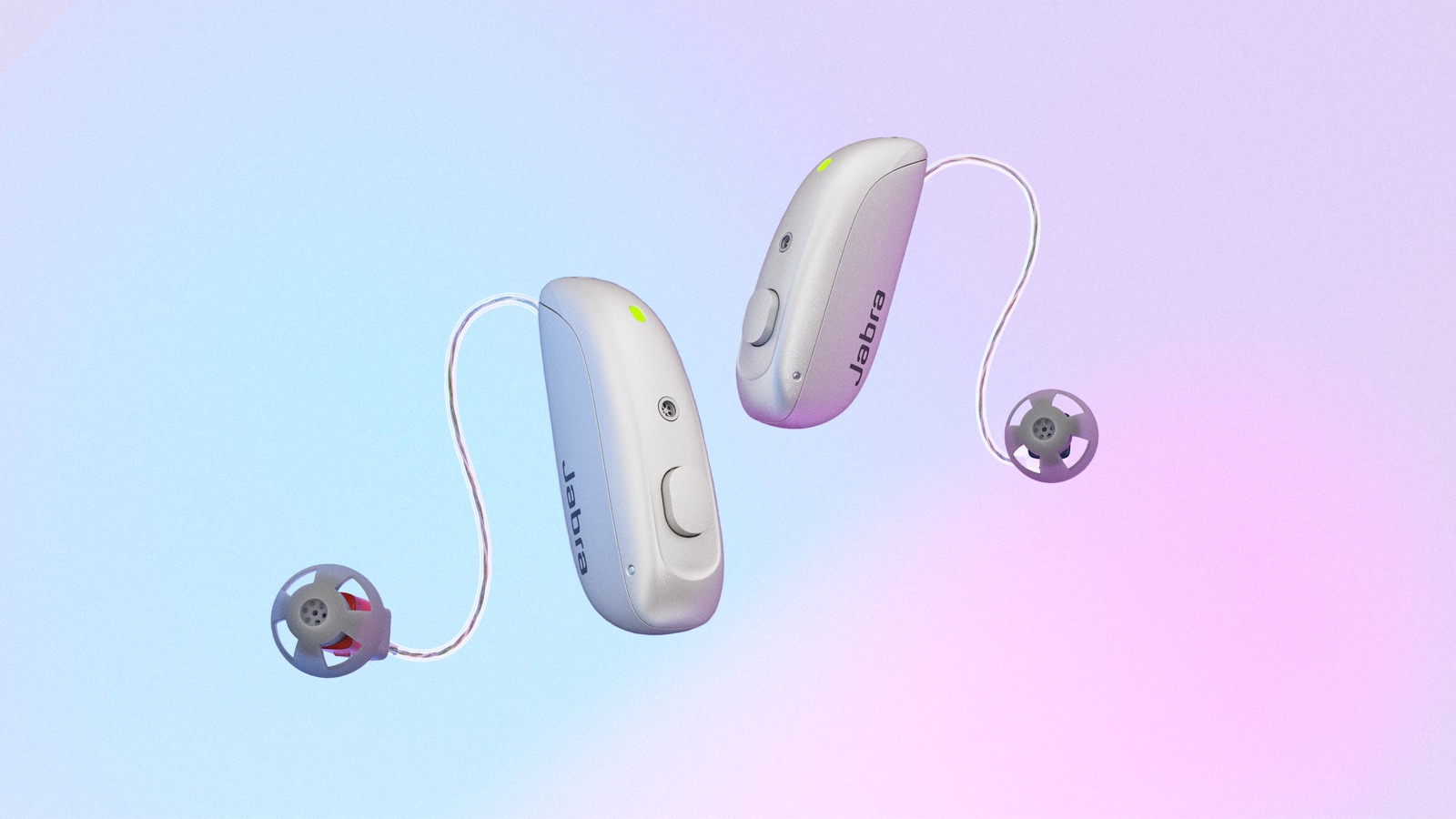
Over the Counter or OTC hearing aids are starting to change how people think about hearing care. Broadly, they are hearing devices designed to be bought and set up without the usual route of a full hearing assessment, prescription, fitting and follow-up.
That can be useful. It can also be misunderstood. The important question is not whether OTC hearing aids are good or bad. The better question is whether they are right for your ears, your hearing loss and the situations you are trying to hear in.
At Alto Hearing, we are not against easier access to hearing technology. We are against people guessing their way through a problem that may need clinical advice.
Clinically reviewed by Adam Bostock, Audiologist. Last reviewed 12 May 2026.
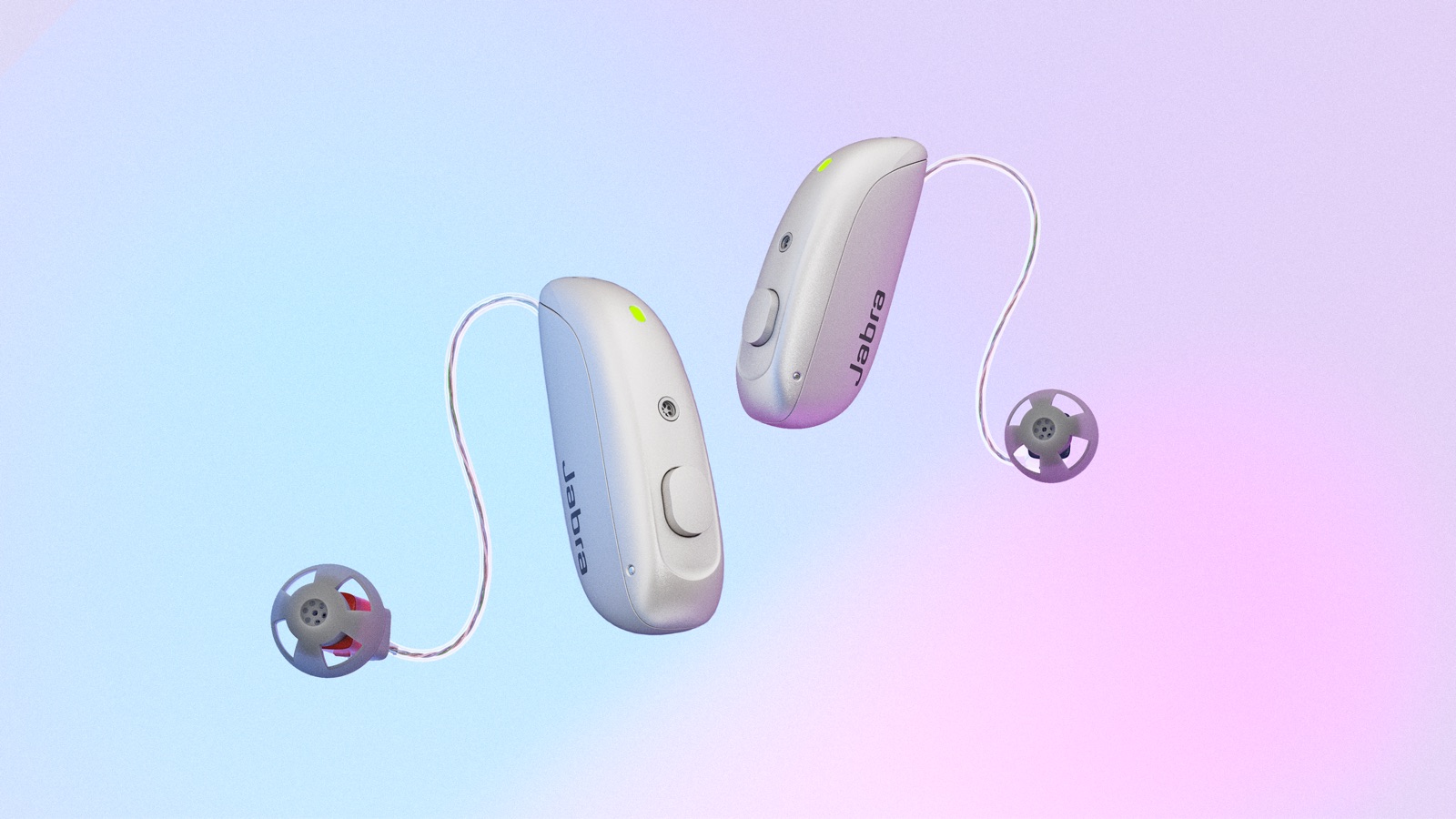
Are OTC hearing aids available in the UK?
Yes, but the UK position is not quite the same as the United States.
In the US, “over-the-counter hearing aids” is a specific category for adults with perceived mild to moderate hearing loss. The FDA explains that these devices can be bought without a medical exam, prescription or professional fitting.
The UK has different rules. The UK Government policy statement on hearing aids explains how hearing aids sit within UK regulation, including the role of assessment, testing and device safety. It also confirms that the market is changing, particularly as software-based hearing features become more common.
The clearest example is Apple. In February 2025, Apple announced that the Hearing Aid feature for AirPods Pro 2 was available in the UK. Apple now describes its Hearing Aid feature for AirPods Pro 2 and AirPods Pro 3 as being intended for people aged 18 or older with perceived mild to moderate hearing loss.
The practical question is no longer whether OTC-style hearing technology will arrive. It is already here. The question is whether it is enough for your hearing, or whether you need audiology care. We have written separately about Apple hearing aids and AirPods hearing features.
The short version
- OTC-style hearing technology is now part of the UK conversation.
- It is mainly aimed at adults with perceived mild to moderate hearing loss.
- It is not the same as a full clinical hearing assessment.
- If your hearing has changed suddenly, one ear is worse, or you have pain, discharge, dizziness or sudden tinnitus, seek medical advice first.
What are OTC hearing aids?
OTC hearing aids are designed so the user can buy them directly and adjust them without a traditional hearing-aid fitting appointment. Depending on the device, setup may involve an app-based hearing check, self-fitting controls, preset listening modes or simple volume adjustment.
Some devices look like hearing aids. Some look more like earbuds. Some are better described as “hearables”, because they sit somewhere between consumer audio, health software and hearing support.
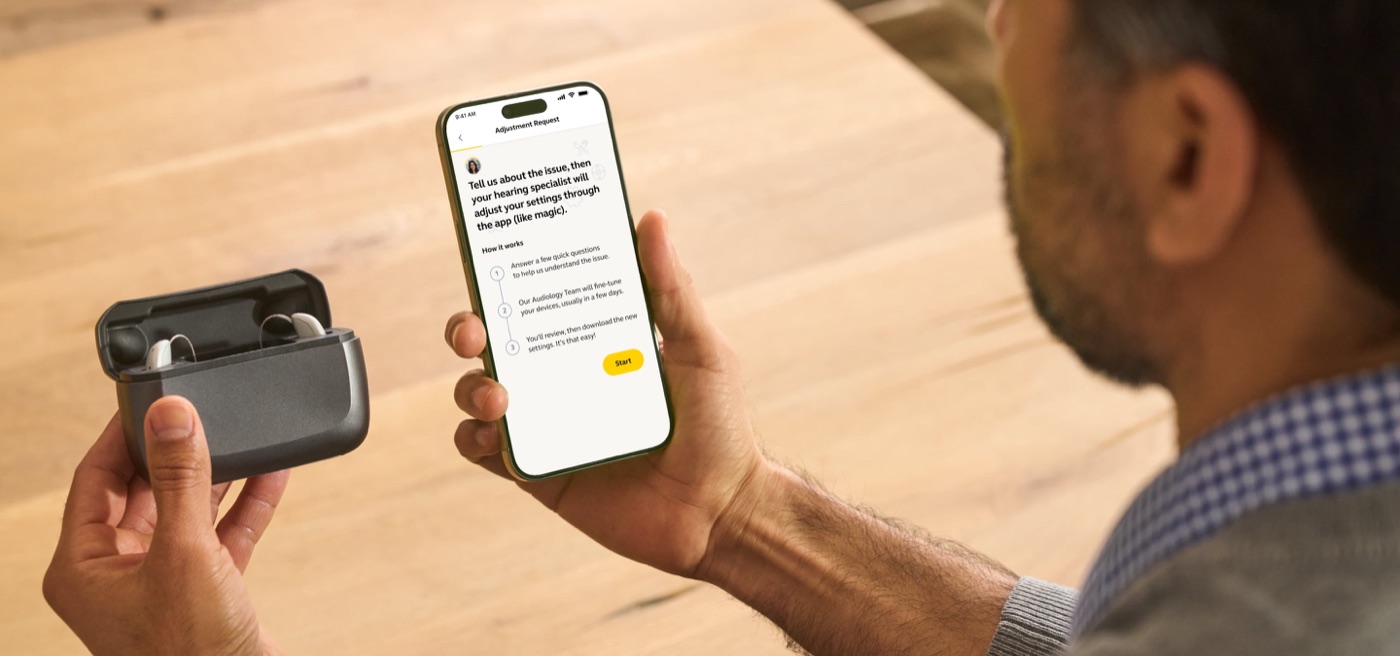
The appeal is obvious: make hearing help more accessible, less intimidating and often less expensive. For the right person, that can be a good thing.
The risk is that hearing loss is not always a simple volume problem. Ear wax, infection, middle-ear problems, one-sided loss, tinnitus, noise damage and more complex hearing patterns can all change what the right advice should be.
Who might OTC hearing aids suit?
They are most likely to suit an adult who has noticed a gradual, mild hearing difficulty and wants a lower-commitment way to try amplification.
They may be worth considering if:
- you are over 18
- the change has been gradual, not sudden
- both ears feel broadly similar
- you mostly struggle with softer speech, television volume or small-group conversation
- you are comfortable using smartphone apps and adjusting settings yourself
- you do not have ear pain, discharge, dizziness or sudden tinnitus
That last point is important. An OTC device may make sound louder, but it cannot tell you why your hearing has changed.
When not to buy OTC hearing aids first
Do not start with an OTC device if your hearing has suddenly changed, one ear is noticeably worse than the other, or you have ear pain, discharge, dizziness, sudden tinnitus, facial weakness or a blocked ear that does not clear.
Those situations need medical or clinical advice. The NHS hearing loss guidance gives clear advice on when to seek help urgently.
You should also be cautious if you have had ear surgery, recurring ear infections, severe tinnitus, very poor hearing in one ear, or if you already know your hearing loss is more than mild or moderate.
What OTC hearing aids can do well
The best OTC devices can make hearing care feel less daunting. They may help someone take a first step, especially if they are not ready to book a full appointment.
They can be useful for:
- trying basic amplification without a full fitting process
- hearing the television or one-to-one speech more comfortably
- reducing the stigma around hearing help
- giving people a sense of whether amplification helps
- encouraging earlier action rather than years of avoidance
Used well, they can move people from ignoring the problem to doing something about it.
Where OTC hearing aids can fall short
Most people do not come to us because they cannot hear a beep in a quiet room. They come because conversation has become harder in real life.
Restaurants, meetings, family meals, traffic, music, distance and competing voices are where hearing technology is properly tested. This is where a basic self-fit device may struggle.
The common problems are:
- too much loudness but not enough clarity
- poor fit or discomfort
- difficulty tuning the device accurately
- background noise still overpowering speech
- wax or ear-health issues being missed
- no real-world fine tuning after you have used the devices for a few weeks
A poor first attempt can also put people off hearing care entirely. The problem may not be “hearing aids do not work”. It may simply be that the device was not right, not fitted well, or not matched to the hearing loss.

OTC hearing aids vs professionally fitted hearing aids
The difference is not just the device. It is the process around the device.
| Area | OTC hearing aids | Professional hearing care at Alto |
|---|---|---|
| Starting point | You decide whether the device seems suitable. | We test your hearing and check what type of hearing loss is present. |
| Ear health | May not identify wax, infection or medical red flags. | We look at the ear and advise if medical or wax removal care is needed. |
| Fitting | Usually self-fit through an app or preset controls. | Devices are selected, fitted and adjusted around your hearing results and listening needs. |
| Verification | Often limited or not included. | We can measure and verify the fitting rather than relying on guesswork. |
| Aftercare | Usually product support rather than ongoing clinical care. | Follow-up, fine tuning and long-term support are part of the service. |
| Complex hearing loss | Usually not suitable. | We can advise on more complex hearing patterns, tinnitus, asymmetry and speech-in-noise problems. |
If you want to understand what a full appointment should include, read about our Complete Hearing Assessment.
What about Apple AirPods as hearing aids?
Apple has changed the conversation because people already know and trust AirPods. The Hearing Aid feature on AirPods Pro 2 and AirPods Pro 3 is designed for adults with perceived mild to moderate hearing loss, and it gives some people a familiar way to try hearing support.
That does not make AirPods the same as professionally fitted hearing aids. Battery life, comfort for all-day wear, background noise, ear fit, clinical measurement and aftercare all matter.
For some people, AirPods may be a useful first step. For others, they will be the wrong tool. We explain the detail in our guide to Apple hearing aids and AirPods hearing features.
How Alto looks at OTC hearing aids
Our view is straightforward: more access is good, but better access should not mean poorer advice.
When someone comes to Alto, we are not trying to force everyone down the same route. We want to know what is happening with the ears, what the hearing results show, and what the person actually needs day to day.
Because we are independent, we are not tied to one manufacturer or one style of technology. If a simple option is sensible, we can say so. If it is not enough, we can explain why and show what would work better.
That is where audiology earns its keep. The value is not just in the hearing aid. It is in the assessment, the explanation, the fitting, the measurements and the follow-up when real life starts testing the devices.
Not sure whether OTC is enough?
If you want a simple starting point, our SoundCheck gives you an initial hearing health check. If you already know hearing is affecting everyday life, the Complete Hearing Assessment gives a much fuller picture.
What to check before buying OTC hearing aids
Before buying, check the practical details carefully. A cheap device can become expensive if it sits in a drawer after two weeks.
- Is it intended for mild to moderate hearing loss?
- Is it a regulated hearing device or just a sound amplifier?
- Is there a proper return period?
- Can you get UK support if something goes wrong?
- Does it work with your phone?
- Can the fit be changed if it is uncomfortable?
- What happens if one ear is different from the other?
- Will you have any follow-up help once you have tried it in real life?
For a shorter buying checklist, read our guide to 5 things to know before buying OTC hearing aids.
The bottom line
OTC hearing aids are a welcome development. They make hearing support feel more normal, more accessible and less intimidating.
But hearing loss is still health care. If your hearing has changed, especially if the change is sudden, one-sided or linked with other symptoms, do not guess. Get the ears checked and make the decision from evidence.
If an OTC device is enough, that is useful to know. If it is not enough, it is better to find out before you lose months trying to make the wrong product work.
Where to go next
OTC hearing aids: common questions
Are OTC hearing aids available in the UK?
OTC-style hearing technology is available in the UK, but the UK does not work in exactly the same way as the US OTC hearing-aid category. The safest approach is to check what the product is intended for, whether it is suitable for mild to moderate hearing loss, and whether you have any symptoms that need clinical advice first.
Are AirPods hearing aids?
Apple describes the Hearing Aid feature on compatible AirPods Pro models as being intended for adults with perceived mild to moderate hearing loss. They may help some people, but they are not the same as a full hearing assessment, professionally fitted hearing aids and ongoing audiology care.
Do I need a hearing test before buying OTC hearing aids?
You may not need one to buy some products, but it is still sensible. A hearing test tells you the type and level of hearing loss, whether both ears are similar, and whether something else such as wax or a middle-ear problem needs attention.
Are OTC hearing aids safe?
They can be safe for the right person when used as intended. The concern is not only the device itself. The main risk is missing a medical issue, choosing a device that is not suitable, or delaying proper care when the hearing problem is more complex.
Can Alto help if I have already bought OTC hearing aids?
We can assess your hearing and ear health, and we can explain whether the device type seems appropriate for your hearing needs. We may not be able to programme or service every OTC product, but we can help you understand whether you are on the right track.