

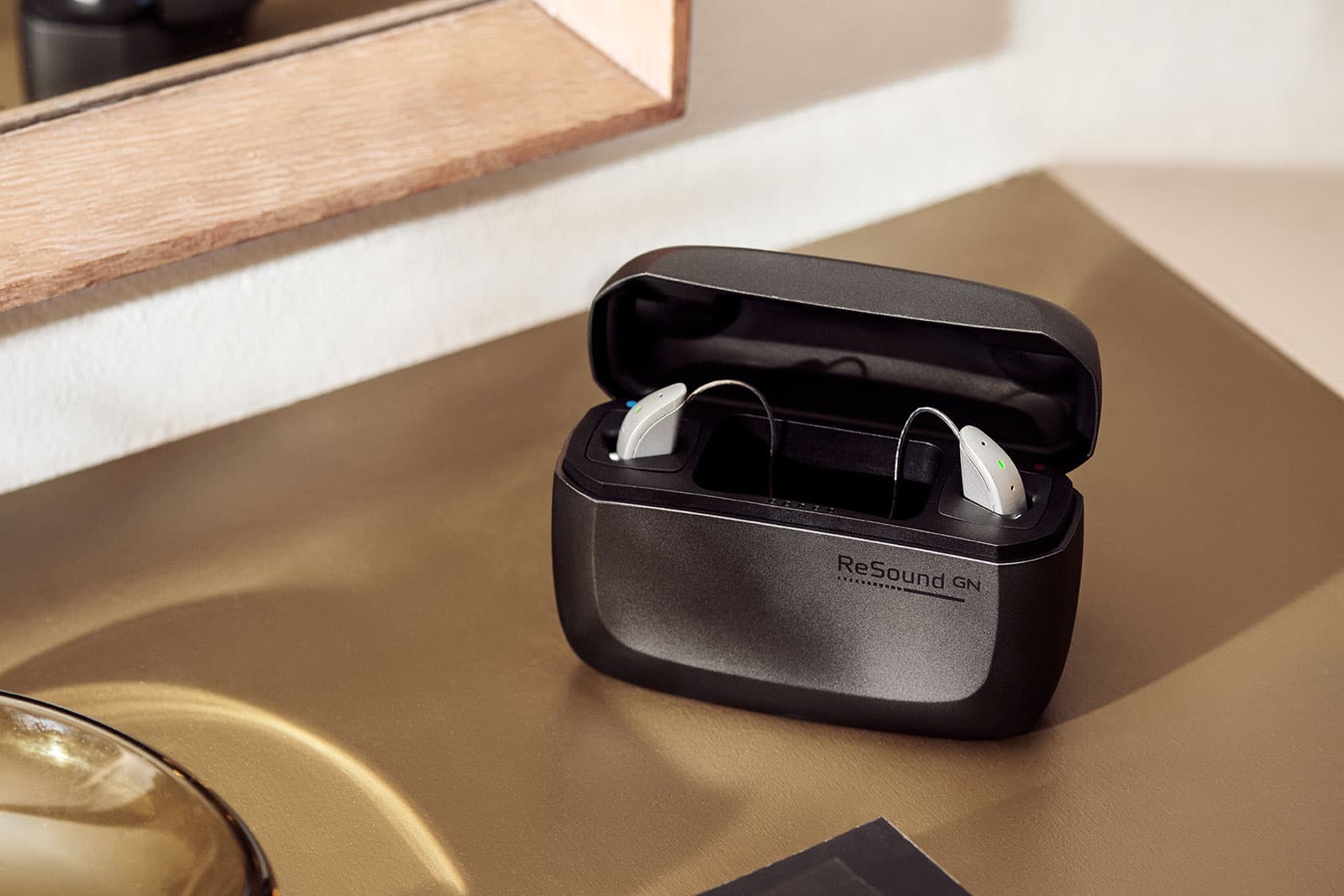
Two hearing aids are usually recommended when there is hearing loss in both ears and both can benefit. A single aid may be suitable when only one ear needs it.
A large difference between your ears needs closer assessment before deciding which ear to aid, or whether both would benefit.
The Benefits of Wearing Two Hearing Aids
NICE recommends offering two hearing aids to adults whose hearing loss can be helped in both ears. Wearing a pair can help with:
- Localisation. Hearing from both sides can make it easier to judge where voices and other sounds are coming from.
- Sound quality. With both ears aided, sound can feel more balanced.
- Speech in background noise. Two hearing aids can make conversation easier to follow in places such as restaurants or group gatherings.
- Listening effort. Wearing two aids can reduce the effort needed to follow speech in some listening conditions.
Busy restaurants and group conversations may still be difficult. Ask what difference to expect in the situations you struggle with most.
When One Hearing Aid May Be Suitable
Hearing loss in one ear
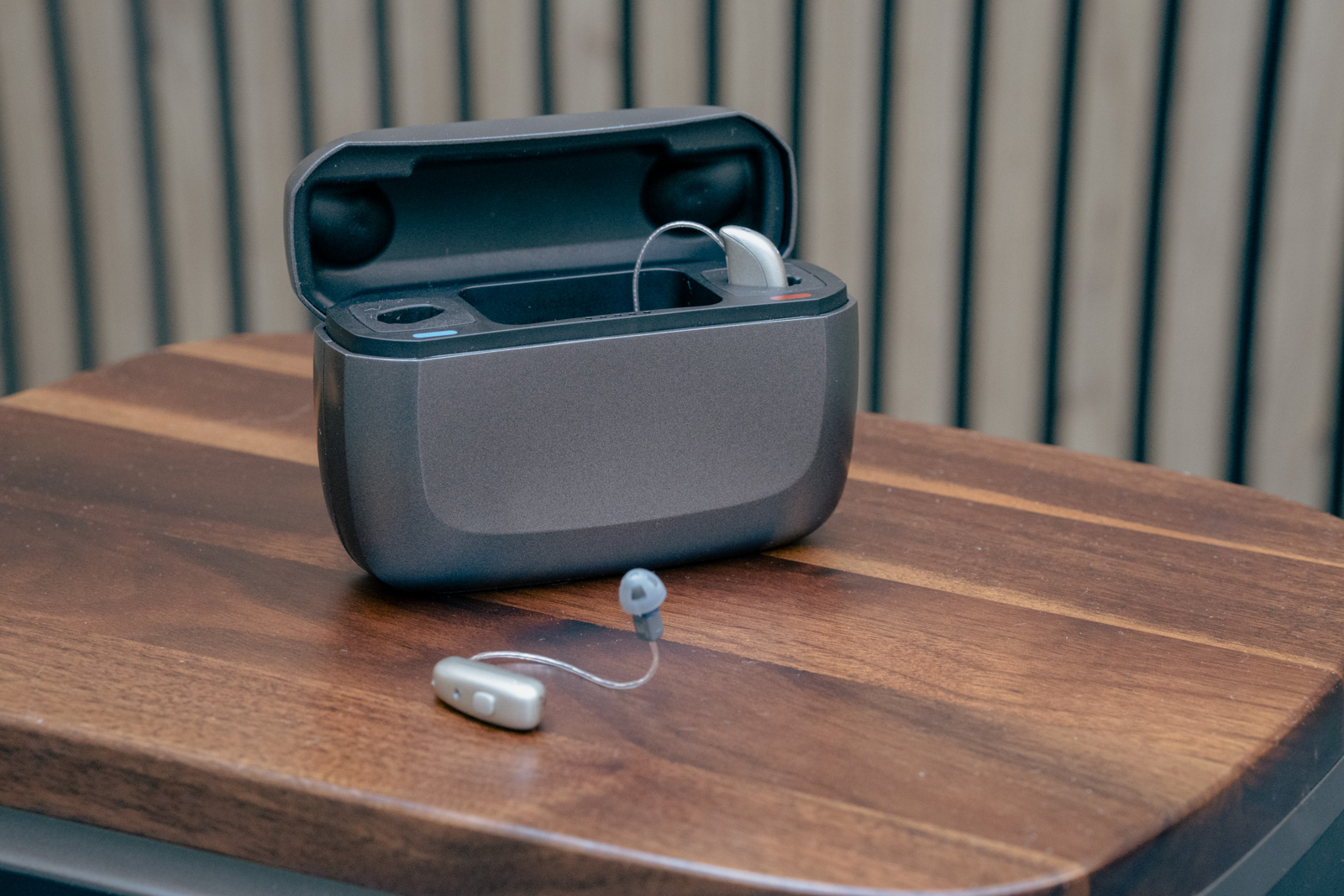
A single conventional hearing aid may suit someone whose poorer ear can benefit from an aid and whose other ear hears well enough without one.
A significant difference between the ears
One ear can hear better than the other and both can still benefit from hearing aids. If one aid is recommended, ask why that ear was chosen.
The decision should take account of each ear’s hearing levels and speech understanding. An ear may hear sound made louder by an aid without gaining enough clarity to follow speech. A large difference between the ears may also need medical investigation.
CROS and BiCROS fittings
When one ear cannot benefit from a conventional hearing aid, CROS sends sound from that side to the better-hearing ear. BiCROS also provides amplification when the better ear needs it.
Both systems usually involve wearing a device on each side. They do not restore hearing in the poorer ear or normal two-ear hearing.
Our CROS and BiCROS guide explains their suitability and limitations.
What if I want to start with one?
Tell your audiologist if cost or managing two devices is making you consider one. Ask which ear would be fitted and what benefit you might miss by leaving the other ear unaided.
If you choose one despite hearing loss in both ears, agree when to review how you are getting on. NICE recommends considering a second aid at follow-up.
Would one hearing aid cost less?
Ask for a quote for the recommended fitting, including fitting appointments and aftercare. A single aid should not be assumed to cost half as much as a pair.
Our hearing aid prices guide explains how to compare the technology and care included.
How Alto helps you decide
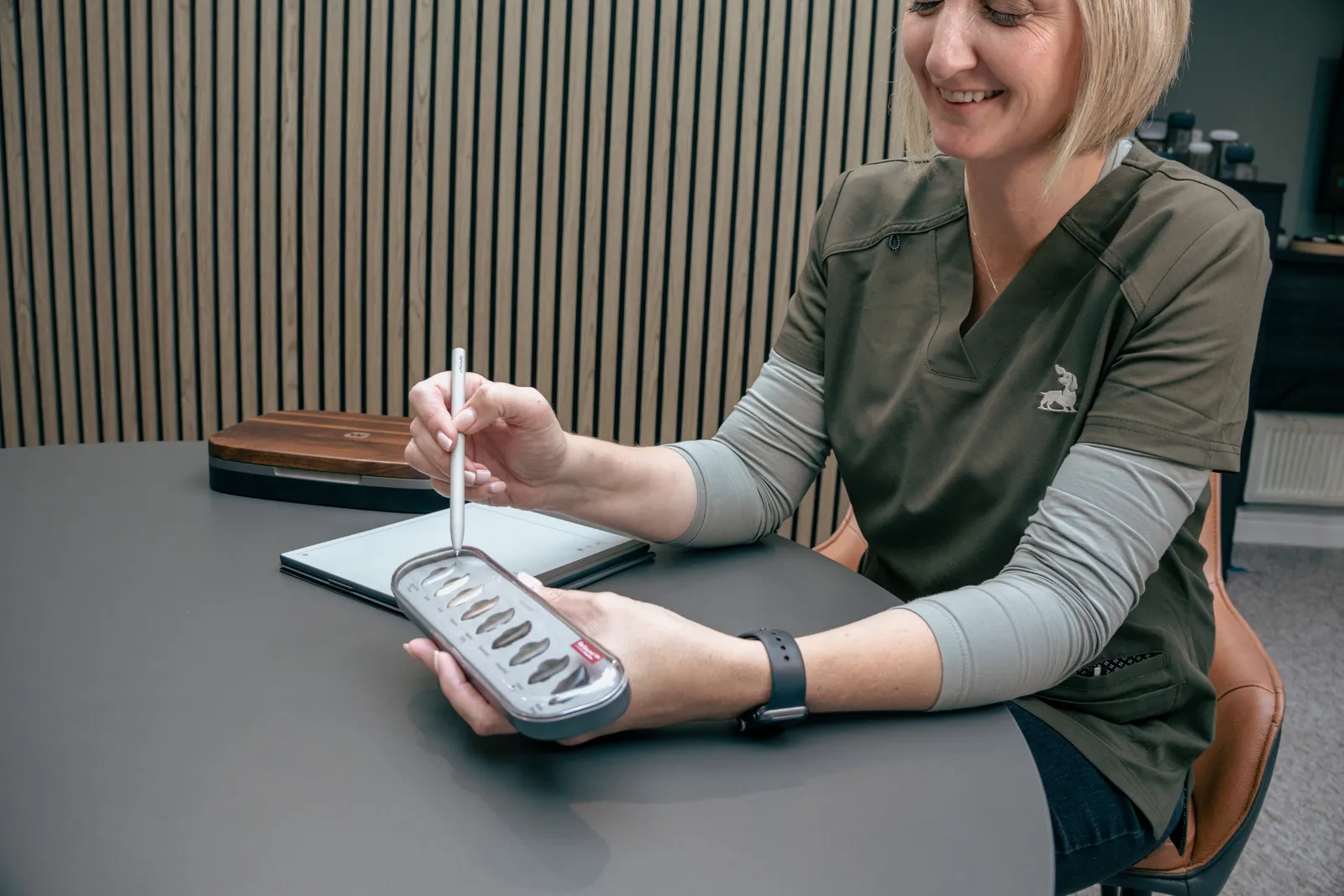
During a Complete Hearing Assessment, we check your ear health and hearing levels, discuss the conversations you find difficult and assess how you follow speech in background noise.
We use those findings to explain the recommendation for one hearing aid, a pair or another option.
Request a call back and we’ll help you arrange a Complete Hearing Assessment.
If hearing drops suddenly in one or both ears, or worsens over days or weeks, ask for an urgent GP appointment or contact NHS 111. Do not wait for a hearing-aid appointment.