

Quick answer
A clearer look at microsuction
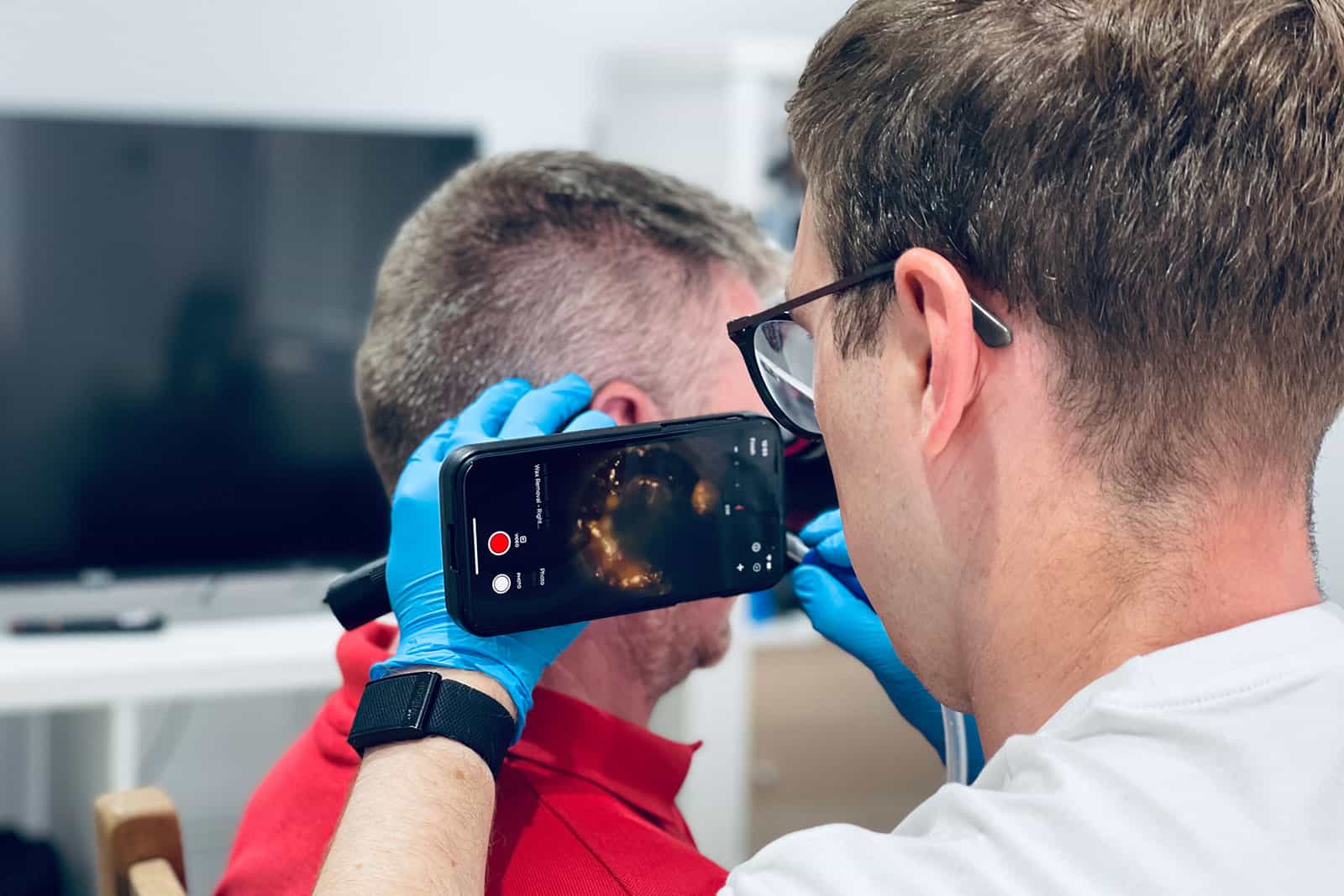
Microsuction ear wax removal uses a small suction tube while the clinician views your ear canal with specialist magnification. It is often quick, controlled and precise, but it is still a clinical procedure. The ear should be checked first, and the method should be chosen based on what is safest for you on the day.
At Alto Hearing, microsuction is one of the methods we use. We may also use irrigation or manual removal where appropriate, depending on your ear health and the type of wax found.
If your ear feels blocked, your hearing sounds muffled, or your hearing aids are not working as clearly as usual, ear wax may be part of the problem. This guide explains what microsuction is, how it compares with other forms of ear wax removal, what to expect, and when to get medical advice before booking.
What microsuction involves
Microsuction is a method of removing ear wax using a fine suction tube. The clinician does not work by guesswork. They look into your ear canal with a clear, magnified view, then use suction to remove the wax in a controlled way.
The word can sound more dramatic than the appointment usually feels. It does not mean using a household vacuum or trying to pull wax out at home. It is a professional ear-care procedure carried out with equipment designed for the ear canal.
Microsuction is commonly used when wax is blocking the ear, affecting hearing, causing a full feeling, or getting in the way of a Complete Hearing Assessment or hearing-aid fitting.
How does microsuction work?
Your clinician will usually begin by asking about your symptoms, ear history and any previous ear problems. They then examine the ear canal to check whether wax is present and whether removal is suitable.
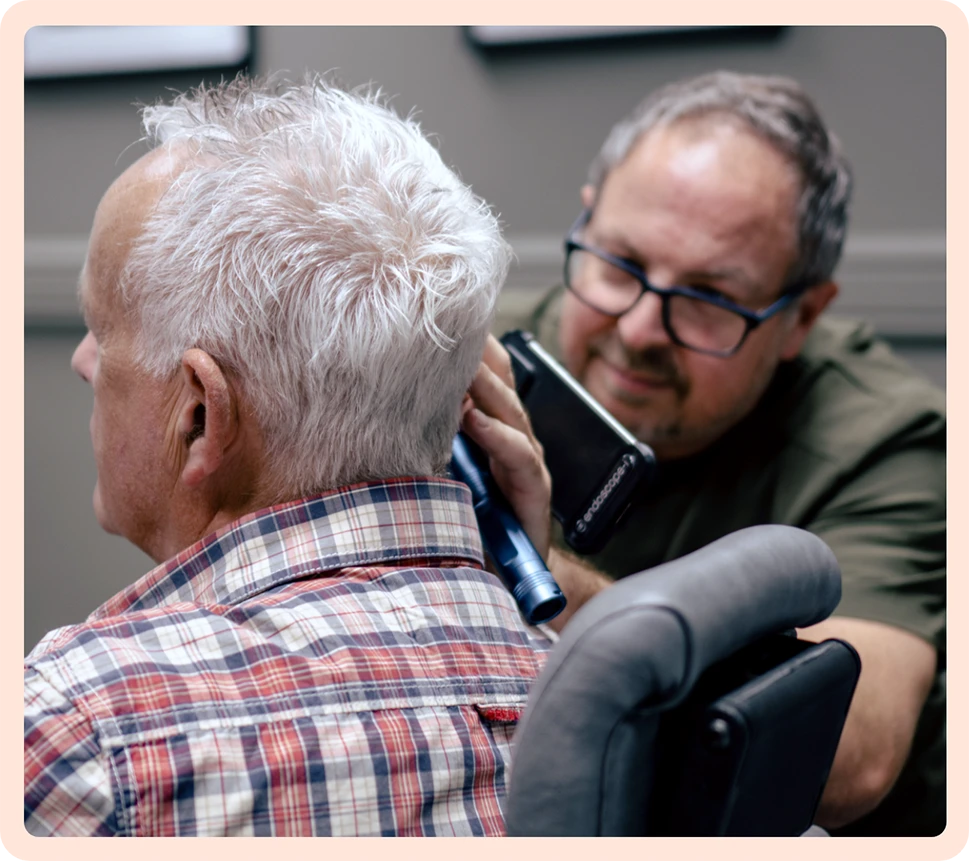
During treatment
- The ear canal is viewed clearly before treatment begins.
- A fine suction tube is used to lift wax away from the ear canal.
- Your clinician may pause, change position or use another method if that is safer.
- Your ears are checked again afterwards, so you know what has been removed.
Microsuction is often quick, but the appointment should never feel rushed. The aim is not simply to remove wax, but to do it in a way that suits your ears.
Microsuction, irrigation and manual removal: what is the difference?
There is no single best method for every ear. A good appointment starts with looking properly, then choosing the right technique for what is found.
Microsuction
Uses a small suction tube while the clinician has a clear view of the ear canal. Often helpful for removing wax precisely.
Irrigation
Uses a controlled flow of warm water to flush softer wax from the ear. It is not suitable for every ear history.
Manual removal
Uses small specialist tools. It can be useful when wax is near the entrance of the ear canal or needs careful lifting.
At Alto, your clinician can choose from more than one method. That matters, because wax can be soft, hard, dry, deep, close to the entrance of the ear canal, or not present at all.
Is microsuction safe?
Microsuction is generally considered safe when it is carried out by a trained clinician and the ear has been checked first. As with any ear wax removal method, it should only be used when it is suitable for your ear canal, eardrum and symptoms.
Some people notice the sound of the suction, a feeling of pressure, mild discomfort, temporary dizziness or a cough reflex. Small scratches or bleeding can happen, particularly if the ear canal is sensitive or the wax is difficult to remove.
When to get medical advice first
Speak to your GP surgery, NHS 111 or an appropriate medical professional before booking wax removal if you have ear pain, discharge, bleeding, sudden hearing loss, severe dizziness, a known or suspected perforated eardrum, previous ear surgery, or symptoms that feel unusual for you.
If you are unsure whether wax is the problem, a professional ear check is a sensible first step.
Does microsuction hurt?
Microsuction should not be painful, but it can feel strange. The suction can sound loud because it is happening close to the ear, and you may feel light pressure or movement as the wax is removed.
If anything feels sore, tell your clinician. They can pause, look again, soften the wax further, change approach, or stop if treatment is not suitable.
Do I need olive oil before microsuction?
Using olive oil spray for a couple of days before your appointment can help soften wax and make removal easier. It is not always essential, but it can be useful if your wax tends to be dry or hard.
Do not use drops or oil if you have a known or suspected perforated eardrum, active discharge, current ear infection, or you have been told not to put anything in your ear. If you are unsure, ask a pharmacist or medical professional first.
The NHS advises against using fingers, cotton buds, ear candles or ear vacuums to remove ear wax. These can push wax deeper or irritate the ear.
What happens at an Alto ear wax appointment?
Your Alto appointment starts with an ear health check. If wax is present and removal is suitable, your clinician will explain what they can see and choose the most appropriate method for your ears.
If wax is removed, your ears are checked again afterwards. Your appointment also includes a complimentary SoundCheck, so if your hearing still needs attention after the blockage has gone, you leave with a clear next step.
Price and appointment length
A 30 minute ear wax removal appointment at Alto is £65. This covers one ear or both. If no wax is found, the appointment is £35.
Your SoundCheck and any required follow-up appointment are included.
Where can I book microsuction ear wax removal?
Alto Hearing offers ear wax removal at clinics in Lutterworth, Market Bosworth, Kenilworth and Clitheroe. Each local page gives you the practical details for that clinic, including directions, parking or access notes, and who you are likely to see.
Swan House Business Park. With audiologist Megan Walton, by appointment only.
You can also book online or call Alto on 0800 246 1901
Frequently asked questions
Is microsuction better than ear syringing?
Microsuction is not automatically better for every ear. It is often precise because the clinician works with a clear view of the ear canal, but irrigation or manual removal may be more suitable in some cases. The right method depends on your ear health and the type of wax found.
Is microsuction safe?
Microsuction is generally considered safe when carried out by a trained clinician after the ear has been checked. It may not be suitable for everyone, especially if you have certain ear symptoms, a known or suspected perforated eardrum, previous ear surgery, active discharge or significant ear pain.
Does microsuction hurt?
Microsuction should not be painful, although it can feel strange and the suction can sound loud because it is close to the ear. Tell your clinician if anything feels sore so they can pause, check again or change approach.
How long does microsuction take?
A typical Alto ear wax removal appointment is booked for 30 minutes. The removal itself may be quicker, but the appointment also allows time to check your ears, explain what has been found and complete your included SoundCheck.
Do I need olive oil before microsuction?
Olive oil spray for a couple of days before the appointment can help soften wax, especially if it is dry or hard. Do not use drops or oil if you have a known or suspected perforated eardrum, discharge, infection, previous ear surgery, or you have been advised not to put anything in your ear.
How much does microsuction cost at Alto?
At Alto, a 30 minute ear wax removal appointment is £65 whether wax is removed from one ear or both. If no wax is found, the appointment is £35. Your SoundCheck and any required follow-up appointment are included.
Where can I book microsuction ear wax removal?
Alto offers ear wax removal in Lutterworth, Market Bosworth, Kenilworth and Clitheroe. You can also book online.
Source checked May 2026: NHS earwax build-up advice. NHS page last reviewed 5 January 2024, next review due 5 January 2027.