

Advice first
Is ear wax removal still available on the NHS?
Sometimes, but not always. Ear wax removal is still available through some NHS services, but it is no longer something every GP surgery routinely provides.
The NHS usually advises trying self-care first, then speaking to a pharmacist. If your ears remain blocked, your GP surgery may be able to help, refer you elsewhere, or advise you to arrange private ear wax removal.
Checked against NHS guidance in May 2026. NHS page last reviewed 5 January 2024.
That can be frustrating when your ear feels full, your hearing suddenly seems muffled, or your hearing aids are not working as well as usual. This article explains what the NHS currently advises, why wax removal is not always available, and what your options are if you need your ears checked professionally.
On this page:
What the NHS says about earwax build-up
The current NHS advice on earwax build-up says that earwax normally falls out on its own. If it builds up and blocks the ear, the first step is usually to soften it at home or ask a pharmacist for advice.
The NHS also says that not all GP surgeries remove earwax. Some surgeries can remove wax using irrigation, microsuction or manual removal. Others may refer you to another local service, or tell you that you need to pay privately.
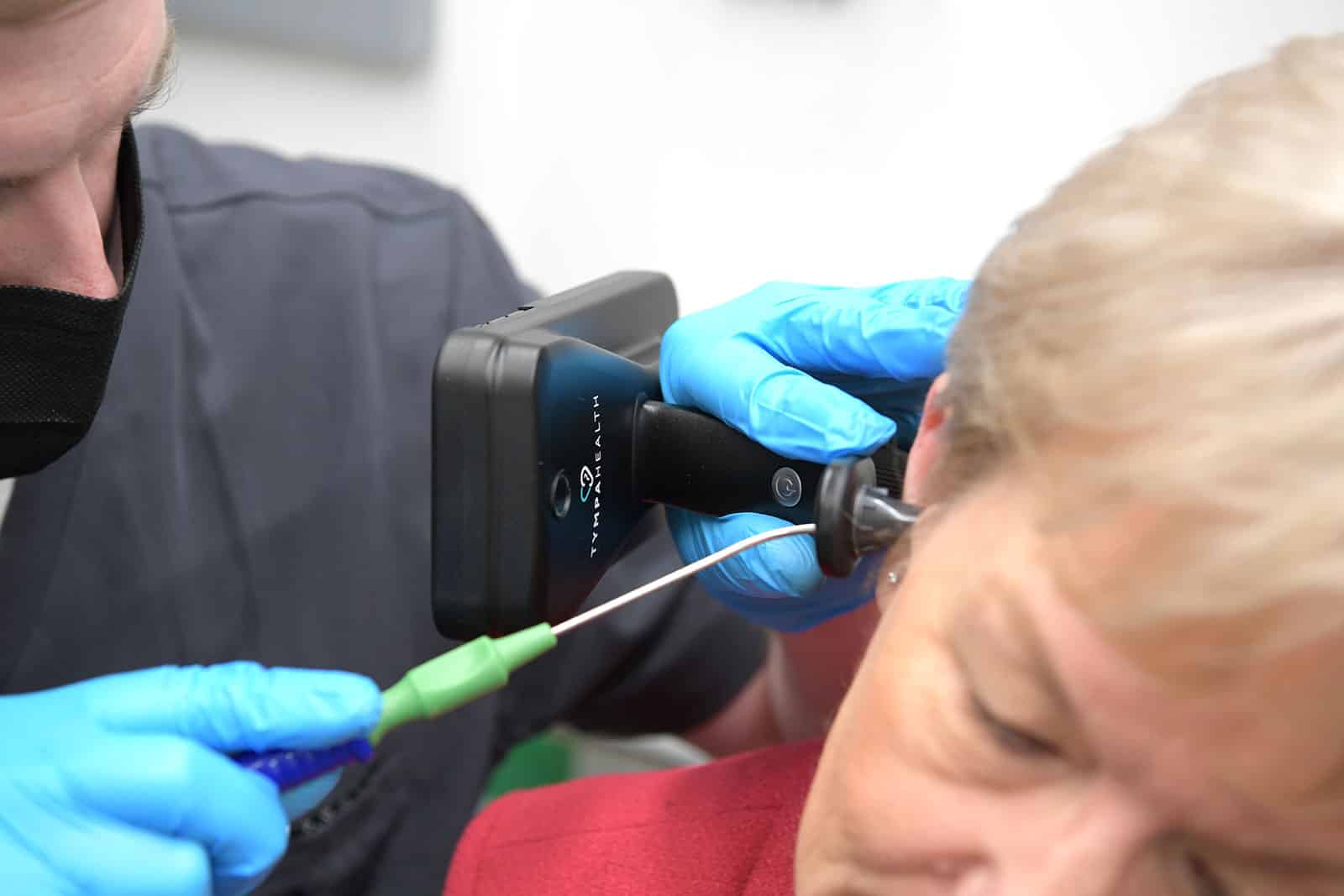
Adam Bostock explains why ear wax removal is not always available through every NHS GP surgery.
NHS or pharmacy route
Best starting point if symptoms are mild, you are unsure what to use, or you have warning signs that need medical advice.
Private ear wax removal
Useful when wax is still blocking the ear, NHS treatment is not available locally, or you need a professional ear check sooner.
What should you try before booking ear wax removal?
If your symptoms are mild and you do not have any warning signs, the usual first step is to soften the wax. Olive oil or almond oil drops are often suggested, although almond oil should not be used if you have a nut allergy. A pharmacist may also recommend drops designed to soften or dissolve wax.
- Do not put cotton buds, fingers, hair clips or other objects into your ear canal.
- Do not use ear candles or ear vacuums. The NHS says there is no evidence that these remove earwax.
- Do not use drops if you know or suspect you have a perforated eardrum.
- Speak to a pharmacist if you are unsure which product is suitable for you.
If your ear remains blocked after using drops, the NHS advises contacting your GP surgery. Depending on local services, they may be able to remove the wax, refer you to another NHS service, or suggest a private provider.
When should you get medical advice?
Not every blocked ear is simply wax. You should contact your GP surgery or NHS 111 if symptoms are painful, sudden, unusual or accompanied by signs of infection.
- Ear pain, discharge, bleeding or a bad smell from the ear
- Sudden hearing loss, dizziness or severe tinnitus
- A known or suspected perforated eardrum
- Previous ear surgery or a history of ear problems
- Symptoms that persist after suitable self-care
In these situations, it is better to have the ear checked rather than trying to clear it yourself.
Why is ear wax removal not always available on the NHS?
Ear wax build-up is common, but NHS services have to prioritise appointments, equipment, training and clinical time. Because many wax problems can be managed first with pharmacy advice or drops, routine wax removal is not available from every GP practice.
There is also a safety reason. Ear wax removal should only be carried out when the ear has been checked and the method is suitable. Irrigation, microsuction and manual removal are generally straightforward when performed properly, but the wrong approach can irritate the ear canal, cause pain, worsen symptoms or risk damage.
That is why some NHS services will ask you to try drops first, some will only offer removal in certain circumstances, and some will advise private treatment if routine wax removal is not available locally.
When private ear wax removal can be useful
Private ear wax removal may be worth considering if your ear is still blocked after suitable drops, you cannot access NHS treatment locally, you need help before a hearing test or hearing-aid appointment, or the blockage is affecting day-to-day listening.
At Alto Hearing, ear wax removal is carried out after your ears have been checked. We use endoscopic microsuction, irrigation or manual removal where appropriate, choosing the safest method for what we find on the day.
How much does private ear wax removal cost at Alto?
A 30 minute ear wax removal appointment at Alto is £65. This covers one ear or both. If no wax is found, the appointment is £35. Your SoundCheck and any required follow-up appointment are included.
What should you look for in a private provider?
Private wax removal is not all delivered in the same way. Before booking, it is worth checking who will be treating you, what methods they can use, and what happens if wax is not the reason for your symptoms.
- Will your ears be checked before treatment starts?
- Is the clinician trained in ear care and able to identify when treatment is not suitable?
- Can they use more than one method, such as microsuction, irrigation or manual removal?
- Is the price clear before you book?
- Will you be advised what to do if your hearing does not improve after wax has been removed?
You may also find our guide to microsuction ear wax removal useful if you want to understand one of the most common methods before booking.
What if wax removal does not fix the problem?
Sometimes wax is only part of the story. If your hearing still feels reduced once your ears are clear, the next step may be a SoundCheck hearing screen or a more detailed Complete Hearing Assessment.
If hearing aids are already part of your life, removing wax can also help them work more reliably. If you are starting to wonder whether you need hearing support, our hearing aids guide explains what modern options can do.
Frequently asked questions
Is ear wax removal still available on the NHS?
Sometimes. Some NHS services still provide ear wax removal, but not every GP surgery offers it routinely. The NHS advises trying self-care first, speaking to a pharmacist, and then contacting your GP surgery if symptoms continue.
Why has ear wax removal been harder to get on the NHS?
Availability varies because routine wax removal depends on local equipment, training, referral pathways and appointment capacity. Some surgeries can remove wax, some refer to another service, and some advise private treatment if it is not available locally.
What should I try before booking private ear wax removal?
If there are no warning signs, ear drops or olive oil spray may help soften the wax. Do not use cotton buds, ear candles or ear vacuums. Ask a pharmacist if you are unsure what is suitable.
How much does private ear wax removal cost at Alto?
At Alto, a 30 minute ear wax removal appointment is £65 whether wax is removed from one ear or both. If no wax is found, the appointment is £35. Your SoundCheck and any required follow-up appointment are included.
When should I get medical advice instead?
Seek medical advice if you have ear pain, discharge, bleeding, sudden hearing loss, dizziness, severe tinnitus, a known or suspected perforated eardrum, previous ear surgery or symptoms that feel unusual for you.
Where can I book Alto ear wax removal?
Alto offers ear wax removal in Lutterworth, Market Bosworth, Kenilworth and Clitheroe. You can also book online.
Ear wax removal at Alto clinics
Appointments are available at our Alto Hearing clinics in Lutterworth, Market Bosworth, Kenilworth and Clitheroe. Each local page includes directions, access notes, clinician details and opening hours.
Source checked May 2026: NHS earwax build-up advice. NHS page last reviewed 5 January 2024, next review due 5 January 2027.