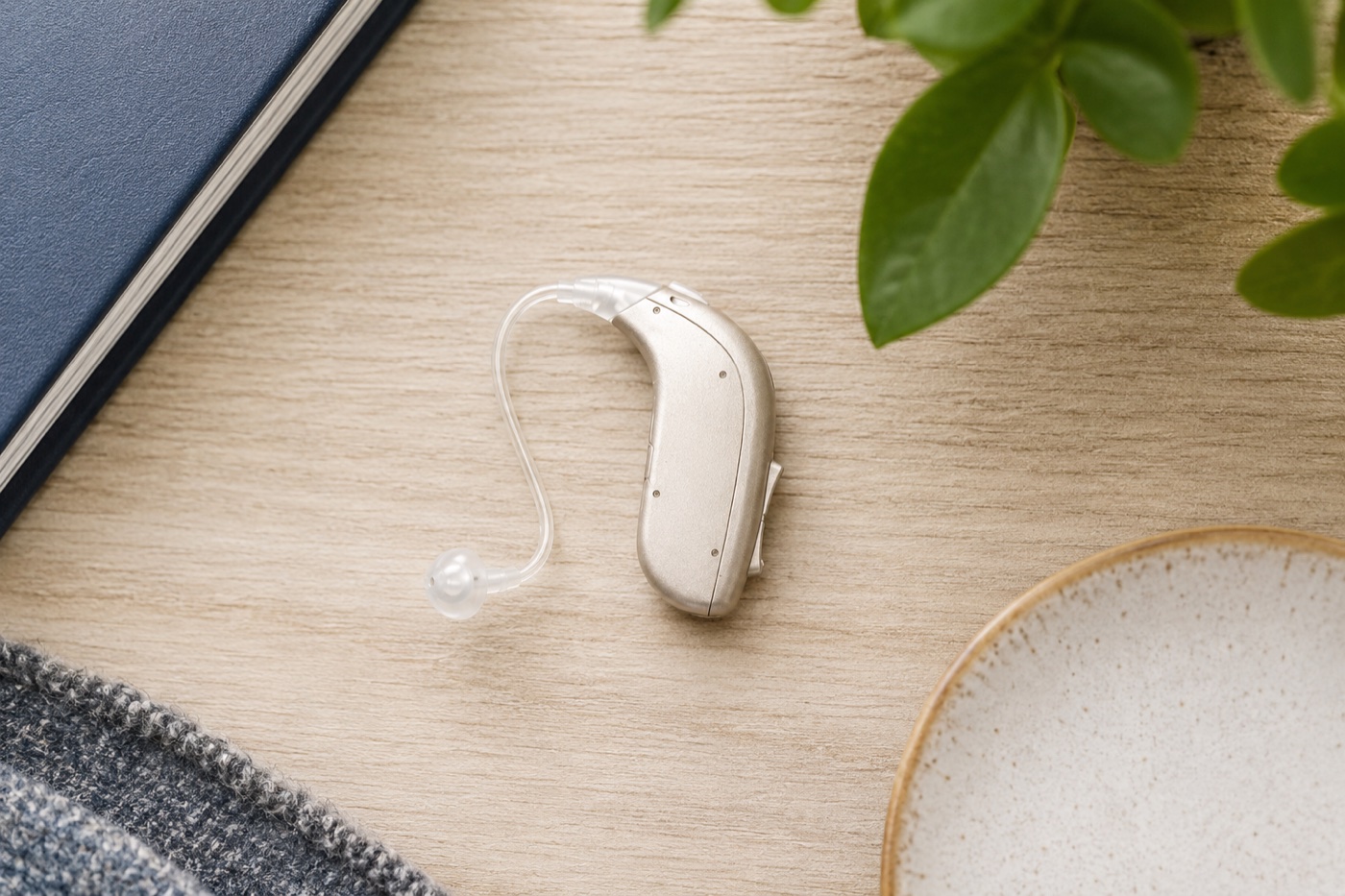
NHS hearing aids can work well and are free. Private care may offer a wider choice of styles and features, alongside different arrangements for appointments and ongoing support.
Compare what each provider offers for your hearing, daily life and budget. More expensive technology is only worth considering if it addresses something you need.
Cost, care and choice
NHS hearing care
Hearing aids are provided free on long-term loan, with follow-up care included. Ask your local service which devices, features and appointments are available.
Private care at Alto
Plans include hearing aids, fitting and ongoing care. Compare the full cost, support period and included extras alongside the technology.
Prefer to watch? In this video, Adam talks through when NHS hearing aids may be enough, when private hearing care may be worth considering, and why the fitting matters as much as the hearing aid itself.
- NHS hearing aids can work well and are free.
- Private care can offer a wider choice of devices and styles. Ask about the care included.
- The best route depends on hearing loss, lifestyle, budget and how much support you want.
Table of Contents
- Cost, care and choice
- Are NHS hearing aids good?
- How do you get hearing aids on the NHS?
- What type of hearing aids does the NHS provide?
- Why does the NHS usually fit behind-the-ear hearing aids?
- Can you choose your NHS hearing aid brand?
- Do NHS hearing aids have rechargeable batteries or Bluetooth?
- NHS hearing aids vs private hearing aids
- Are private hearing aids more advanced?
- What about invisible or in-the-ear hearing aids?
- Why the fitting matters
- When NHS hearing aids may be the right choice
- When private hearing care may be worth considering
- Can you start with NHS hearing aids and go private later?
- Questions to ask before deciding
- Alto’s view
- So, should you choose NHS or private hearing aids?
- Considering private hearing care?
- Frequently Asked Questions
Are NHS hearing aids good?
Yes. NHS hearing aids are proper digital hearing aids. They are not pretend hearing aids, and they are not simply old-fashioned devices handed out because they are cheap.
They are chosen because the NHS needs hearing aids that are reliable, adaptable, repairable and suitable for large numbers of people with different levels of hearing loss. The devices are usually provided on long-term loan, and batteries, repairs and follow-up support are generally included through the NHS service.
For many people, NHS hearing aids are enough to make conversation easier, reduce listening strain, and help with television, family life and day-to-day communication.
The limitation is usually not that NHS hearing aids are poor. The limitation is choice. You are likely to have less choice over the manufacturer, style, technology level, appearance, accessories, appointment times and fitting pathway than you would in private care.
Compare the care offered by each service, including fitting, follow-up and options suitable for your hearing.
How do you get hearing aids on the NHS?
If you are worried about your hearing, you can usually speak to your GP and ask about referral to an NHS audiology service. The exact route depends on where you live. Some areas use hospital audiology departments; others also use community providers through local NHS arrangements.
The NHS hearing aids and implants guidance explains that hearing aids are available on the NHS and that assessment is normally arranged through an NHS hearing service.
After referral, you would normally have a hearing assessment. If hearing aids are appropriate, the NHS service will explain what they can provide, fit the devices, and arrange follow-up support.
Waiting times and local arrangements vary. If timing matters, or if you want a more detailed discussion of different styles and technology, that is often one reason people look at private options alongside the NHS route.
What NHS hearing aids often look like
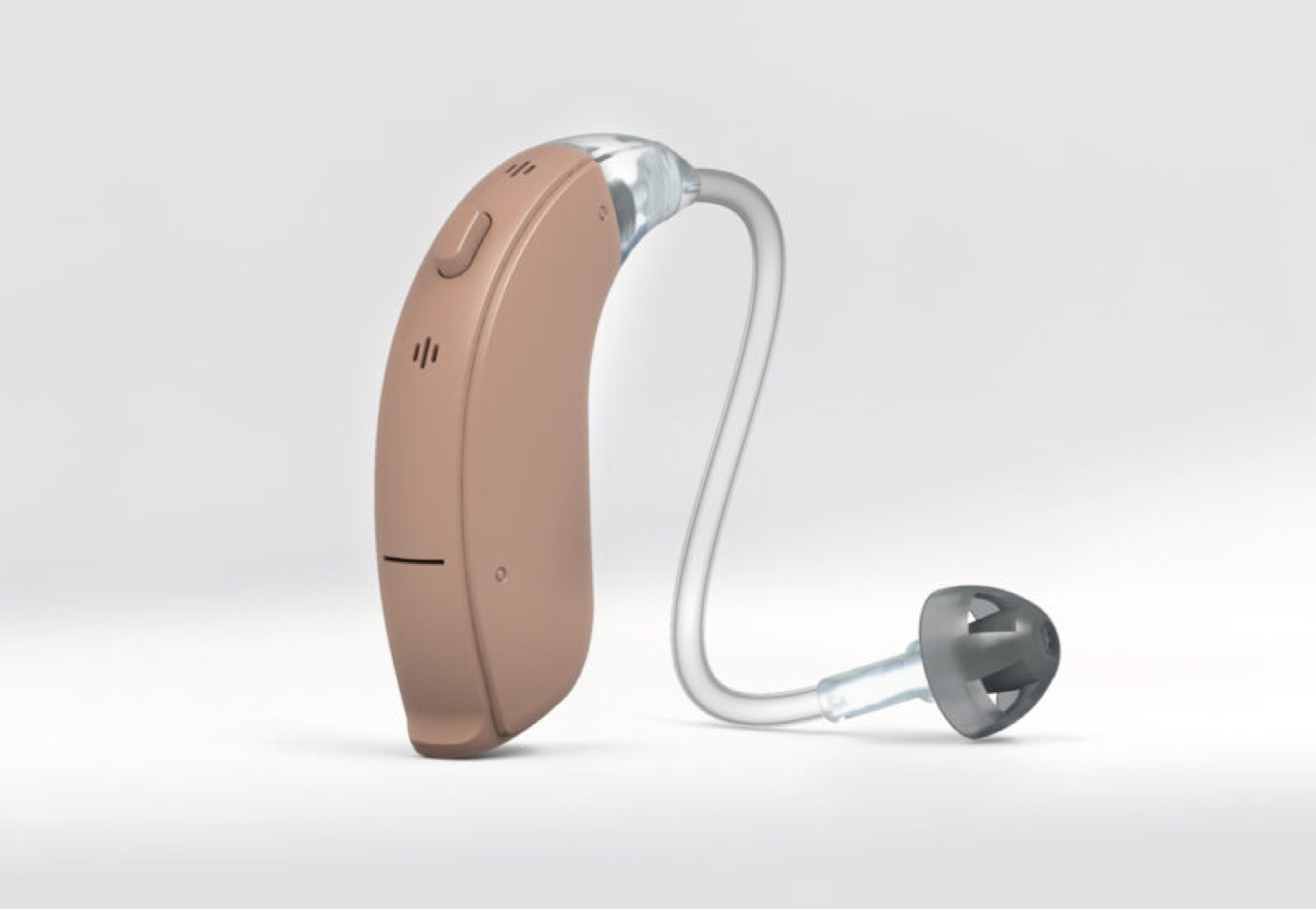
Many NHS fittings use a behind-the-ear hearing aid with either a thin tube and dome, or a tube and earmould. Danalogic, which is part of GN Hearing, is one of the brands commonly associated with NHS hearing aid supply.
The shape is practical: easy to handle, easy to repair, flexible across different hearing losses, and familiar to audiology services.
What type of hearing aids does the NHS provide?
Most NHS hearing aids are behind-the-ear devices. The hearing aid sits behind the ear and sound travels into the ear through either a thin tube, a dome, or a custom earmould.
For mild to moderate hearing loss, a thin tube or open-style fitting may be used. For more significant hearing loss, a mould may be needed to hold the sound in the ear and reduce feedback.
Some NHS services may provide different options in specific clinical situations, including more powerful behind-the-ear hearing aids, CROS or BiCROS systems, bone conduction devices or referral for cochlear implant assessment where clinically appropriate. These are specialist decisions, not menu choices.
If you want a broad overview of different styles, our guide to hearing aids explains the main options you may come across privately.
Common NHS fitting
Behind-the-ear hearing aid with a thin tube, dome or earmould. Reliable, adaptable and easy for services to maintain.
Sometimes available
Specialist fittings such as power aids, CROS or BiCROS, bone conduction or implant referral pathways, depending on clinical need.
Less likely as standard
Very small custom in-the-ear styles, premium private ranges, broad colour choice, and the newest consumer-facing app and accessory options.
Why does the NHS usually fit behind-the-ear hearing aids?
Behind-the-ear hearing aids are not chosen by accident. They make sense for a national service.
They can be fitted to a wide range of hearing losses. They can be adapted with different tubes, domes and earmoulds. They are usually easier to clean, service and repair than very small custom hearing aids. They also avoid some of the problems that can come with tiny in-ear devices, such as wax blockage, limited controls, shorter battery life or restricted wireless features.
Private clinics often use receiver-in-canal hearing aids because they can be small, flexible, cosmetically neat and acoustically useful. But receiver-in-canal devices have an electronic receiver in the ear canal, which can be more expensive to maintain if damaged by wax or moisture.
For the NHS, a behind-the-ear device with a tube is a practical workhorse. For many people, it does the job well. For others, the look, feel, features or level of personalisation may be the reason they explore private hearing care.
Can you choose your NHS hearing aid brand?
Usually, no. You will normally be offered the hearing aid range used by that NHS service or local provider.
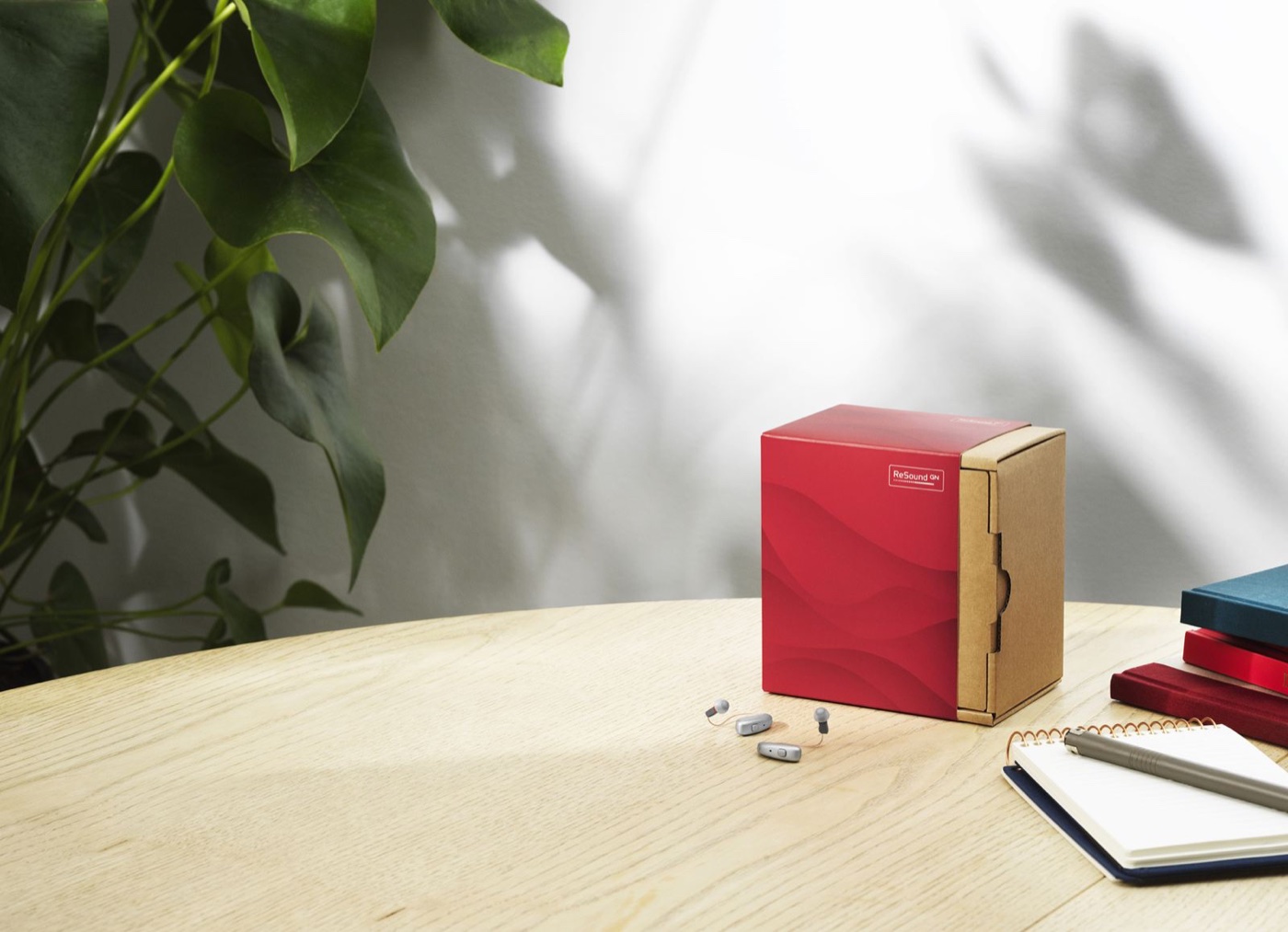
That may include devices from respected manufacturers. NHS-supplied hearing aids are often linked to the same wider manufacturing groups that make private hearing aids. For example, Danalogic is part of GN Hearing, the same wider group as ReSound.
The difference is that you are not usually choosing between ReSound, Widex, Phonak, Oticon, Unitron, Signia and Starkey in the same way you might in private care.
In private care, the audiologist can usually compare several manufacturers and choose the most suitable device for your hearing loss, ear shape, speech-in-noise ability, sound preference, phone use and handling needs.
Do NHS hearing aids have rechargeable batteries or Bluetooth?
Some NHS hearing aids may include modern features, and the available technology can vary between areas and contracts.
However, it is safer not to assume you will be offered rechargeable hearing aids, direct Bluetooth streaming, app control, hands-free calls or TV streaming as standard. NHS provision is driven by clinical need, local supply arrangements and service priorities.
Private hearing aids are more likely to offer a wider choice of rechargeable options, iPhone and Android streaming, app control, TV accessories, remote microphones, telecoil options, and newer Bluetooth features such as LE Audio or Auracast where supported.
App control, music streaming, hearing a caller through your aids and making hands-free calls are different functions. The functions available depend on the exact phone, hearing-aid model and software versions. Use your own phone for a demonstration of the functions you need, including which microphone picks up your voice during calls.
NHS hearing aids vs private hearing aids
The main difference is not whether one route gives you a real hearing aid and the other does not. Both routes can provide genuine hearing aids. The difference is the level of choice and the way the fitting is delivered.
| Area | NHS hearing aids | Private hearing aids |
|---|---|---|
| Cost | Free through the NHS. | Paid privately, with prices depending on technology, style and care package. |
| Choice of brand | Usually limited to what the local NHS service provides. | Wider choice across manufacturers and models. |
| Style | Most commonly behind-the-ear with thin tube, dome or earmould. | Behind-the-ear, receiver-in-canal, rechargeable, custom in-the-ear, CIC and other styles where suitable. |
| Technology level | Modern digital hearing aids, selected for broad clinical use. | Choice of technology levels, including premium features for complex listening needs. |
| Cosmetic choice | Usually practical and limited. | More options around size, colour, custom style and discreet fittings. |
| Appointments | Good care, but timing and follow-up may depend on local service capacity. | Usually more flexible access and more time for discussion, adjustment and review. |
| Accessories | May be available in some circumstances, depending on local provision. | Wider access to TV streamers, remote microphones and app-based support where appropriate. |
| Ownership | Usually provided on long-term loan. | Usually purchased as part of a private care plan. |
If you want to understand private pricing in more detail, our guide to hearing aid prices in the UK explains what affects the cost and why quotes can vary.
Are private hearing aids more advanced?
Private hearing aids often give access to the newest platforms, premium technology levels and a broader range of features. That can include more advanced speech-in-noise processing, rechargeable designs, better phone integration, smaller custom fittings, remote support, TV streaming and remote microphone options.
But advanced does not always mean appropriate.
Premium features can be worth paying for when background noise makes conversations you value difficult. That might be a weekly family meal, even if most of your listening is one-to-one at home.
This is why a good private clinic should not just sell the most expensive option. The recommendation should match the person. Our article on whether premium hearing aids are worth it goes into that decision in more detail.
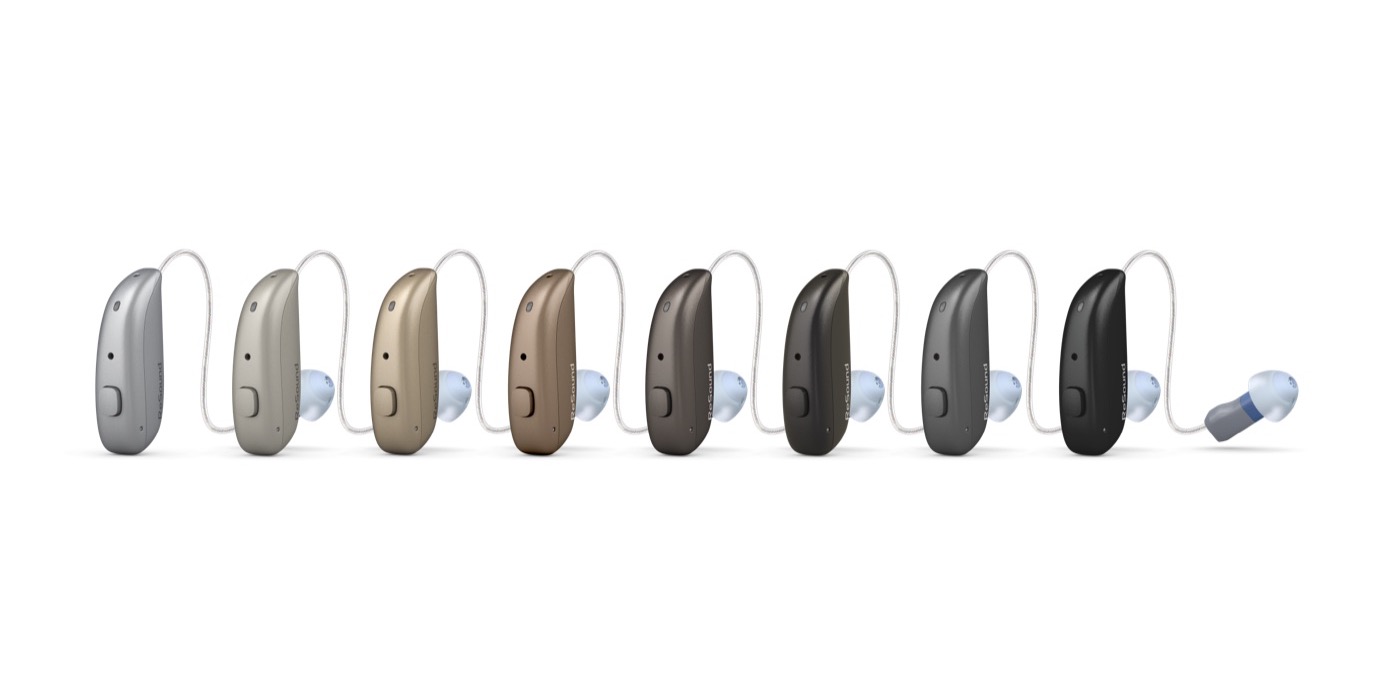
What about invisible or in-the-ear hearing aids?
Smaller hearing aids are one of the reasons people compare NHS and private care.
In private care, you may be able to consider custom in-the-ear hearing aids, including ITC, CIC or IIC-style devices depending on your ear shape, hearing loss and handling needs. For example, Starkey offers completely-in-canal hearing aids privately.

Smaller is not always better
A tiny hearing aid may look appealing, but it still has to suit the ear and the hearing loss. Wax, ventilation, feedback, dexterity, battery life and wireless features all matter.
Sometimes a small receiver-in-canal hearing aid behind the ear is actually neater, easier to manage and better acoustically than the smallest in-ear option.
Check that you can put the aids in and take them out, use the charger or batteries, and manage cleaning. Our guide to choosing hearing aids with arthritis or poor eyesight covers these practical tasks.
Why the fitting matters
A hearing aid does not work well just because the box says it is digital, premium or AI-powered.
It needs to be selected correctly, physically fitted well, programmed appropriately and adjusted around the person wearing it. That applies to NHS and private hearing aids.
The shape and size of your ear canal affects how much sound reaches your eardrum. Software predictions are only a starting point. Real Ear Measurements measure what the hearing aid is actually doing in your ear, so the fitting can be adjusted more accurately.
The British Society of Audiology’s guidance on fitting verification recommends checking the sound delivered in the individual ear against a fitting target. Your feedback and the clinician’s judgement guide adjustments alongside those measurements.
At Alto, Real Ear Measurements are part of how we fit hearing aids. We also use speech-in-noise testing to understand how well you follow conversation when background sound competes.
When NHS hearing aids may be the right choice
NHS hearing aids may be the best place to start if:
- You want free hearing aids and NHS follow-up.
- You are comfortable with a behind-the-ear style.
- You do not need a wide choice of brands, colours or custom styles.
- The hearing aids and support available suit your listening needs.
- You are happy to work within local NHS appointment times.
- You want to try amplification before deciding whether private care is worth paying for.
There is no shame in choosing the NHS route. It is there to be used, and many people do well with it.
When private hearing care may be worth considering
Private hearing care may be worth exploring if:
- You want a wider choice of hearing aid styles and manufacturers.
- You are interested in rechargeable, smaller or custom hearing aids.
- You use your phone heavily for calls, streaming, WhatsApp, Zoom or Teams.
- You struggle in background noise, groups, restaurants or meetings.
- You want more detailed discussion around the recommendation and fitting.
- You want access to accessories such as TV streamers or remote microphones.
- You have tried NHS hearing aids but feel the style, sound or support has not been quite right for you.
At Alto, we provide hearing aids through hearing aid treatment plans. That means the care around the devices is part of the recommendation, not an afterthought.
Can you start with NHS hearing aids and go private later?
Yes. Many people start with NHS hearing aids and later explore private care because they want more choice, a different style, newer technology or a more personalised fitting route.
You can also keep using NHS services for some aspects of care while choosing private hearing aids separately, although the two systems are usually managed independently.
If you already have NHS hearing aids, bring them to a private assessment. They can tell us useful things: what you like, what you do not like, what has helped, and where you still struggle.
Sometimes the right answer is not to replace everything immediately. It may be to understand what is not working, check the hearing properly, and then decide whether a private fitting would genuinely add value.
Questions to ask before deciding
If you are comparing NHS and private hearing care, these questions are more useful than asking which route is simply better:
About your hearing
- What does my hearing test show?
- Do I struggle mainly with volume, clarity or background noise?
- Do I need speech-in-noise testing?
About the devices
- Which hearing aid style suits my ears?
- Do I need Bluetooth, rechargeable batteries or accessories?
- Would a smaller or custom hearing aid be suitable?
About the care
- Will the fitting be verified with Real Ear Measurements?
- How much follow-up is included?
- Who helps if the sound needs adjusting?
Alto’s view
The NHS route can be a good choice if you want free hearing aids and are happy with the style and service available locally. Private care can be the better fit if you want more choice, more time, more detailed fitting, and a broader discussion of technology, accessories and long-term support.
We would rather help someone make a good decision than push them into buying something they do not need. Sometimes that means explaining why a simpler option is enough. Sometimes it means showing why a more advanced private fitting is likely to make daily life easier.
At Alto, we start with a Complete Hearing Assessment to understand your hearing difficulties and explain the options.
So, should you choose NHS or private hearing aids?
If your priority is free, reliable hearing aids and you are comfortable with the style available locally, the NHS is a very sensible place to start.
If you want more choice, a wider range of technology, smaller or rechargeable options, smartphone features, more appointment flexibility and a highly personalised fitting route, private hearing care may be worth considering.
The best route is the one that gives you hearing care you will actually use, with hearing aids that suit your ears, your hearing loss and your life.
Considering private hearing care?
If you are comparing NHS and private hearing aids, Alto can talk you through the private route, including assessment, fitting, technology choice and long-term support.
Frequently Asked Questions
Are NHS hearing aids free?
Yes. NHS hearing aids are free through NHS hearing services. They are usually provided on long-term loan, and batteries, repairs and follow-up support are generally included through the NHS service.
Are NHS hearing aids good?
Yes. NHS hearing aids are proper digital hearing aids and can work very well for many people. The main limitation is usually choice, not whether the devices are genuine or useful.
What type of hearing aids does the NHS give?
Most NHS hearing aids are behind-the-ear devices with a thin tube, dome or earmould. Some specialist options may be available where clinically appropriate, but this depends on the NHS service and the person’s hearing needs.
Can I choose my NHS hearing aid brand?
Usually, no. NHS services normally provide the hearing aid range used by that local service or provider. Private care usually gives a wider choice of manufacturers, models and styles.
Can I get invisible hearing aids on the NHS?
Invisible or very small custom hearing aids are not usually provided as standard on the NHS. Private care offers more choice of discreet styles, but suitability still depends on the hearing loss, ear shape, wax levels, handling needs and fitting goals.
Do NHS hearing aids have Bluetooth?
Some NHS hearing aids may include Bluetooth or other modern features, but availability varies by local service and contract. If Bluetooth streaming, app control or hands-free phone use is important, ask the audiology service what is available before assuming it will be included.
Are private hearing aids better than NHS hearing aids?
Private hearing aids are not always the right answer. They usually offer more choice, newer technology options, more styles, more accessories and a more personalised fitting route. Whether that is worth paying for depends on your hearing needs and priorities.
How long does it take to get NHS hearing aids?
Waiting times vary depending on where you live and how your local NHS audiology service is organised. Your GP surgery or local NHS hearing service should be able to explain the current referral pathway and expected waiting time.
Can I go private if I already have NHS hearing aids?
Yes. Many people start with NHS hearing aids and later explore private care because they want more choice, a different style, newer technology or a more detailed fitting route. Bringing your NHS hearing aids to a private assessment can be helpful.
Do private hearing aids include aftercare?
Aftercare arrangements vary by provider. Alto’s treatment plans include hearing aids, fitting, verification, fine-tuning and ongoing support. The £75 Complete Hearing Assessment is separate from the plan price.
Do I need Real Ear Measurements?
Real Ear Measurements are strongly recommended when fitting hearing aids. They measure the sound reaching your eardrum while you wear the hearing aids, which helps the audiologist adjust the fitting accurately rather than relying only on software predictions.
Should I try NHS hearing aids before going private?
You can, and for some people that is a good place to start. Others choose private care first because they want more choice, faster access, smaller styles, rechargeable options, smartphone features or a more personalised fitting pathway.
Sources checked May 2026: NHS hearing aids and implants, NICE adult hearing loss guidance, Danalogic hearing devices, Starkey CIC hearing aids.
Additional source checked 11 October 2026: British Society of Audiology guidance on probe-microphone measurements.